
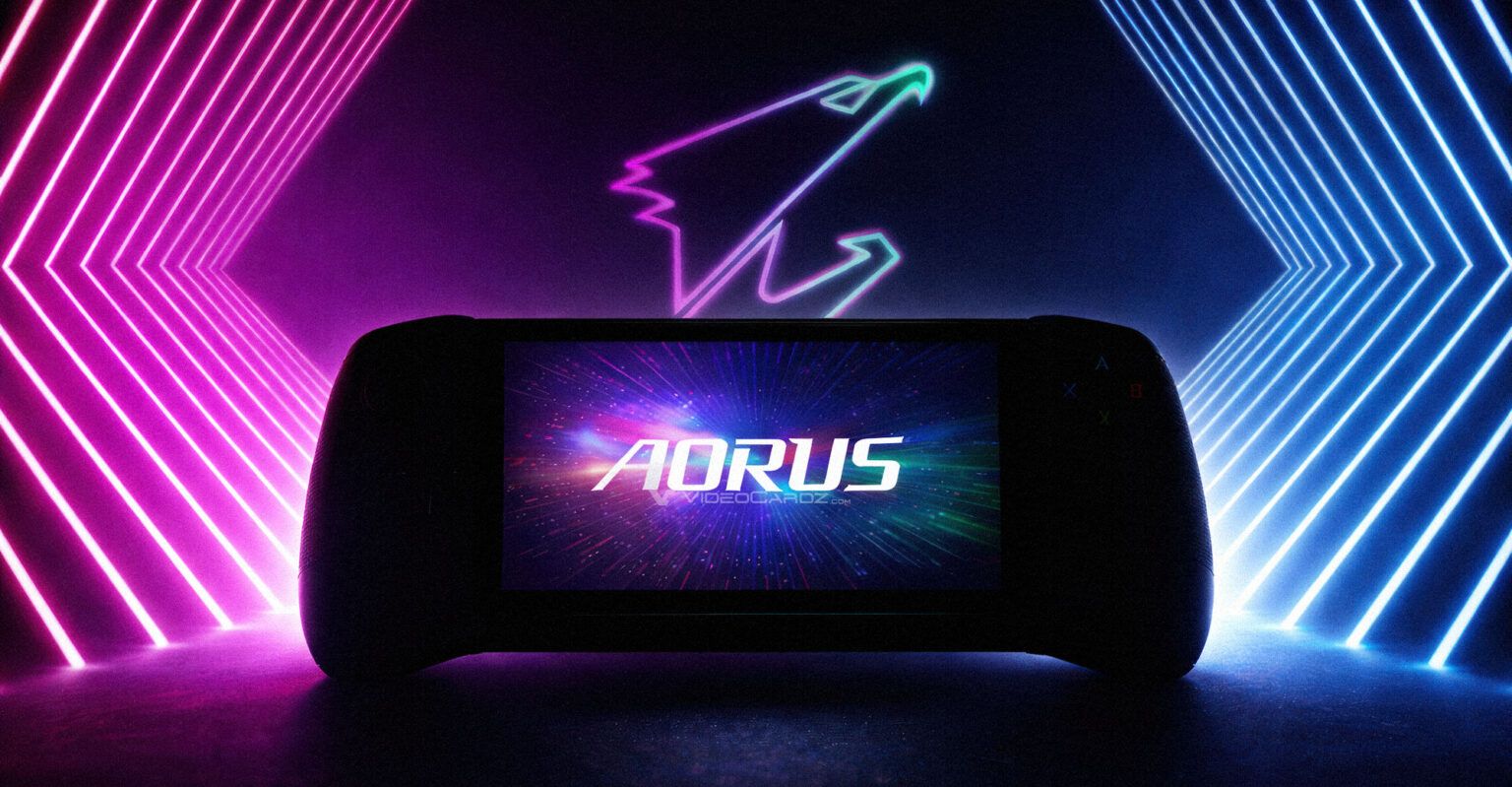
You can’t deny that gaming handhelds saw a resurgence after the launch of Valve’s Steam Deck, and with that, the floodgates the console camera rushing out major PC brands like ASUS, MSI, and even Zotac. The one name missing from this list is, as you’ve no doubt guessed, Gigabyte. This isn’t because the company isn’t keen, but rather, it doesn’t want to make one for the sake of it.
In an interview with PC World at CES 2026, the company’s CEO, Eddie Lin, answered the question of why his company hadn’t jumped on the bandwagon. To him, Gigabyte wouldn’t benefit from “just another” handheld product, but building one wasn’t that hard. To be clear, he didn’t say that Gigabyte isn’t already in the midst of making one, and Lin was vague with a timeline.
“Building a handheld gaming device isn’t that hard. You can see many Chinese makers doing it already. The most important part is havign a template, or a base deisgn to start from. With a similar template, building the product itself shouldn’t be a problem. The goal is to meet demand.
The real question is differentiation. What can we do that’s different? That’s the main thing to think about. Gigabyte is also thinking about making a handheld gaming device, but the focus is how to make it stand out. I don’t it to be a “me too” product that looks like everything else. That doesn’t make sense of Gigabyte.”
Same Same, But Different

The man does have a point. Chinese companies such as One-Notebook, known for its ONEXPLAYER and ONEXSUGAR consoles, have produced a plethora of gaming handhelds for many years, with some hits but mostly misses. Again, Gigabyte’s direct rivals, ASUS and MSI, already have their own gaming handhelds with the Ally lineup and Claw, respectively.
And to say nothing about Lenovo and its own Legion Go lineup, which, like ASUS, commands rather premium price tags. Seriously, these consoles cost almost as much as an NVIDIA GeForce RTX 5070 Ti.
The problem for Gigabyte then is: what kind of handheld can it make that would set it apart from the competition?
The Gimmicks Are Endless
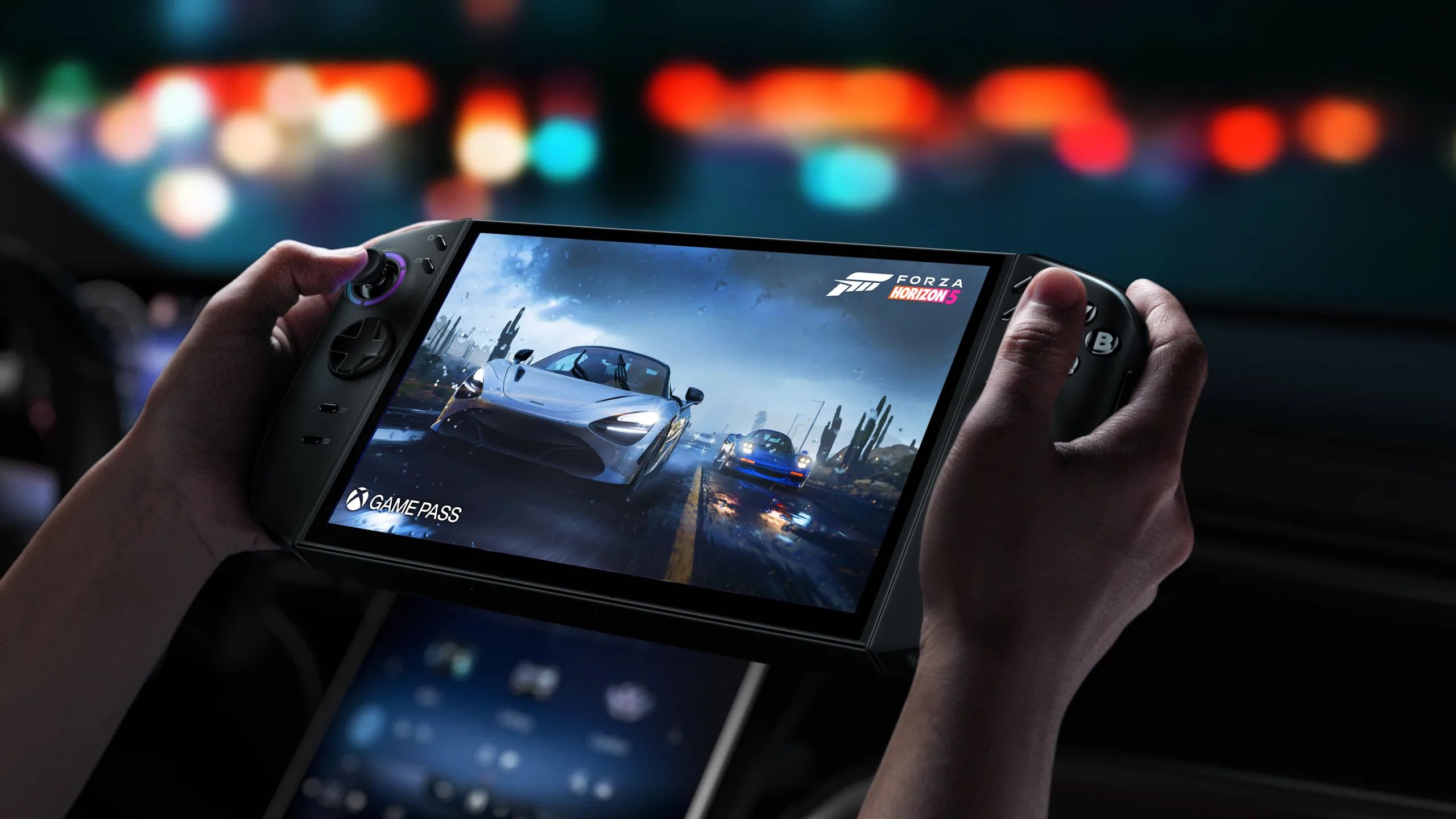
At this point, Gigabyte has an endless supply of technologies and innovations to choose from, thanks to its rival and companies that are seeing the market for gaming handhelds. Want to use liquid cooling instead of traditional blower-style fans? Yeap, that exists.
OLED displays instead of the boring IPS panels? Lenovo recently did that with its new Legion Go 2. Detachable controllers and built-in kick stand, just like the Nintendo Switch and Switch 2? Yeap, Lenovo mimicked that too, albeit with a weird take on a mouse cum joystick.
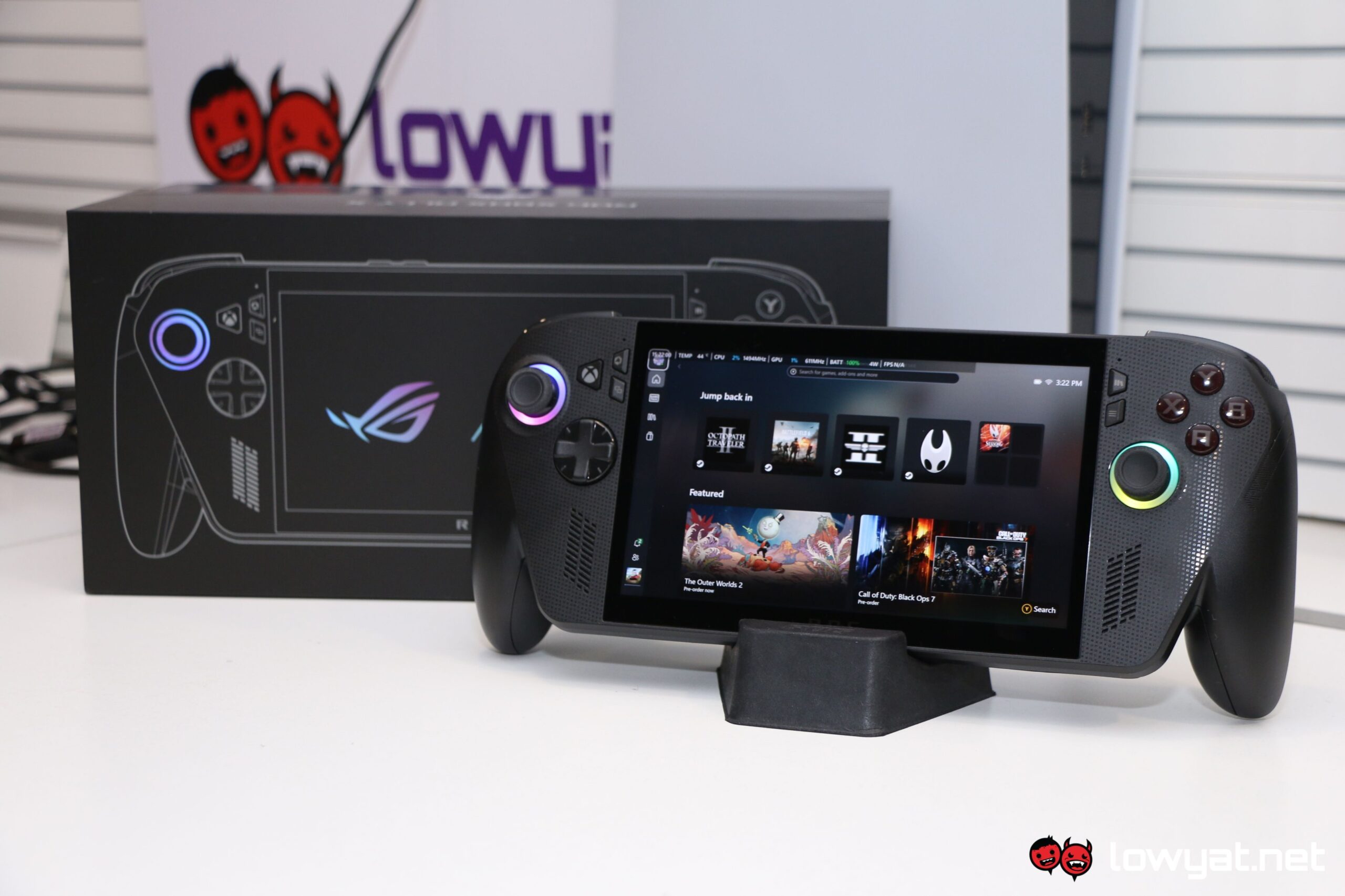
Circling back to ASUS, its latest Xbox Ally X sports two prongs on each side, which the brand clearly did in collaboration with Microsoft, in an effort to mimic the Xbox controller. And honestly, it actually elevates the comfort levels.
Then there’s the internal hardware to choose from. At current, AMD rules the roost with its Ryzen Z2 Series APUs, while Intel currently trails behind with its own Lunar Lake CPU and integrated Xe2 graphics core, but that may not be the case for much longer, if the prowess of its Panther Lake processor are to be believed but as of this publication, we’re still waiting to test out one of the CPUs.
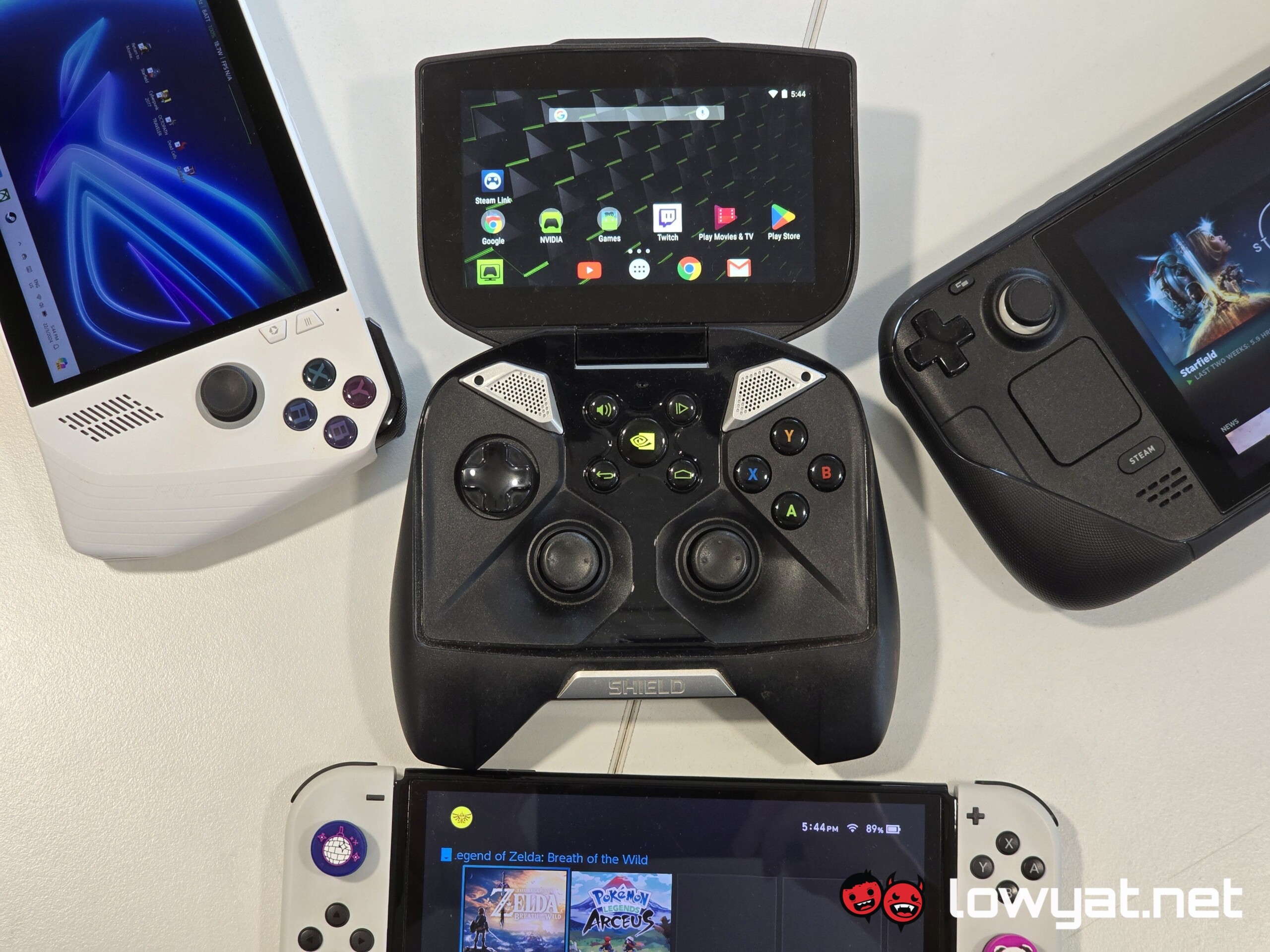
Of course, you can’t forget the software and operating system: Windows or SteamOS. The Steam Deck runs on Valve’s own SteamOS, while Lenovo has been pretty diligent by releasing versions of the Legion Go S and Go 2 running on the same software, as an alternative to their Windows 11-powered counterparts. ASUS’ ROG Xbox Ally X still runs on Windows but the brand is trying something different with the Xbox UI overlay, which essentially shuts down most of the background tasks the OS would have running.
However Gigabyte chooses to build its own gaming handheld, we think that it shouldn’t be too complicated, flashy, or dressed to the nines with gimmicks. At the end of the day, PC handheld gamers just want a solid device that allows them to pick and choose from their Steam or EGS library, has decent battery life, intuitive controls, and possibly not cost more than RM4,000 at this point.
(Source: PCWorld, Videocardz)
