
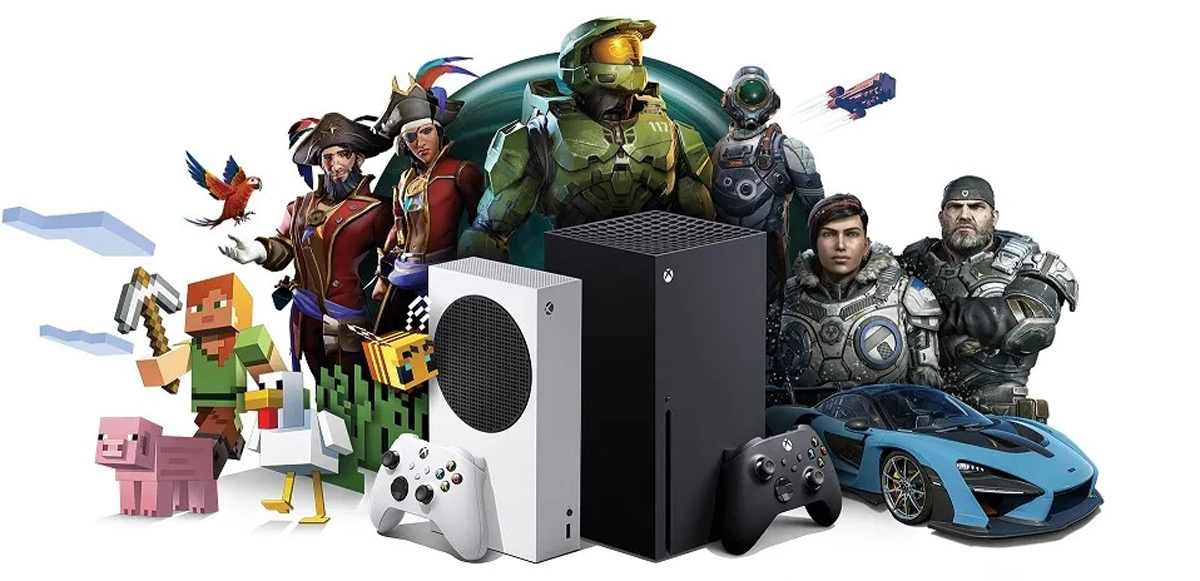
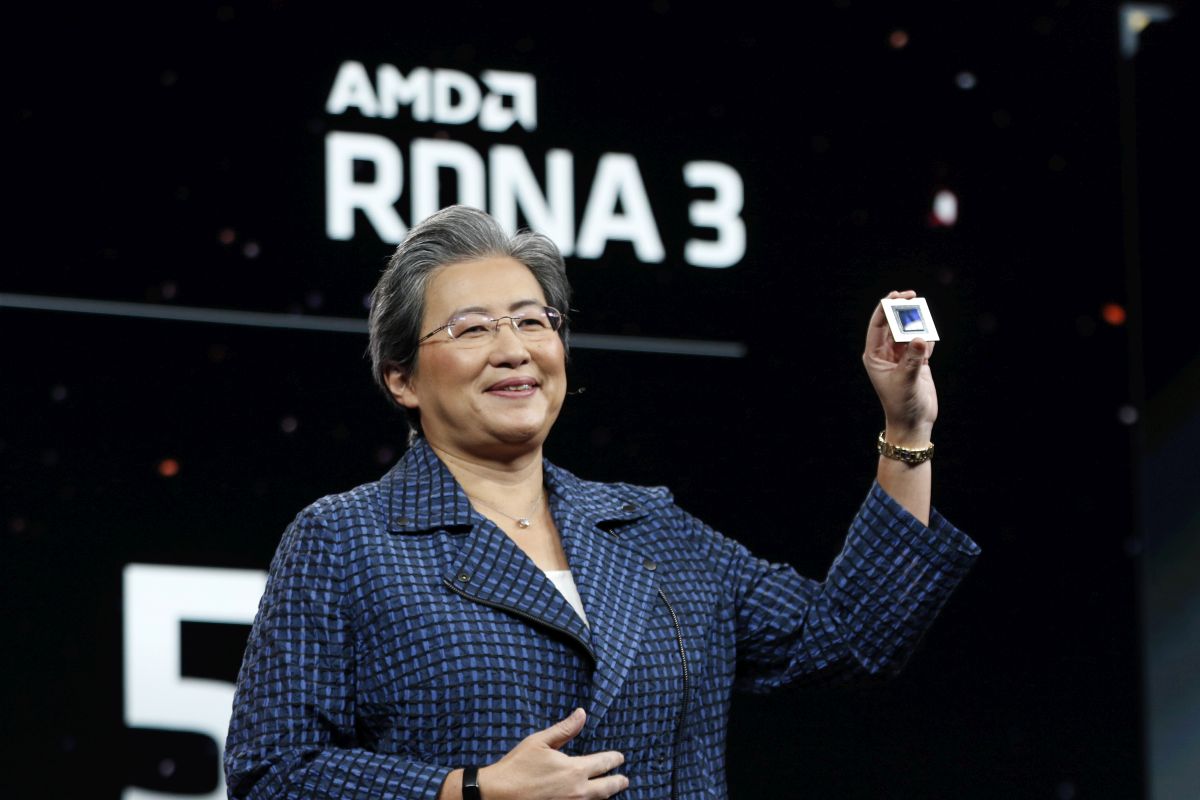
Microsoft’s next-generation Xbox console may still be on course for a 2027 launch, according to comments from AMD CEO Lisa Su. During AMD’s latest earnings call, Su said development of the custom chipset designed for the upcoming console is progressing well, supporting previous reports that pointed to a 2027 release window.
The AMD CEO also revealed that the company is moving forward with a semi-custom system-on-chip (SoC) for the machine. This aligns with earlier indications from Microsoft executives, including Xbox President Sarah Bond, who has described the next-generation Xbox as a “very premium” device.
However, industry sources have raised concerns that record-high memory prices could complicate Microsoft’s plans. Rising costs for next-generation memory have already affected GPU pricing, and similar pressures could impact the final bill of materials for a future Xbox console.
Next-Gen Xbox Rumours So Far
It is suggested that Microsoft’s next Xbox could use an AMD Magnus APU, featuring an alleged 11-core Zen 6 CPU paired with RDNA 5 graphics. The system is also expected to blur the line between traditional consoles and PCs, potentially positioning it as a hybrid device.
Unconfirmed reports further claim that the console may require 36GB or more of GDDR7 memory to support its performance targets. If accurate, this would represent a significant step up from current-generation consoles, but it could also contribute to higher production costs at a time when memory pricing remains elevated.
Steam Machine On Track Too
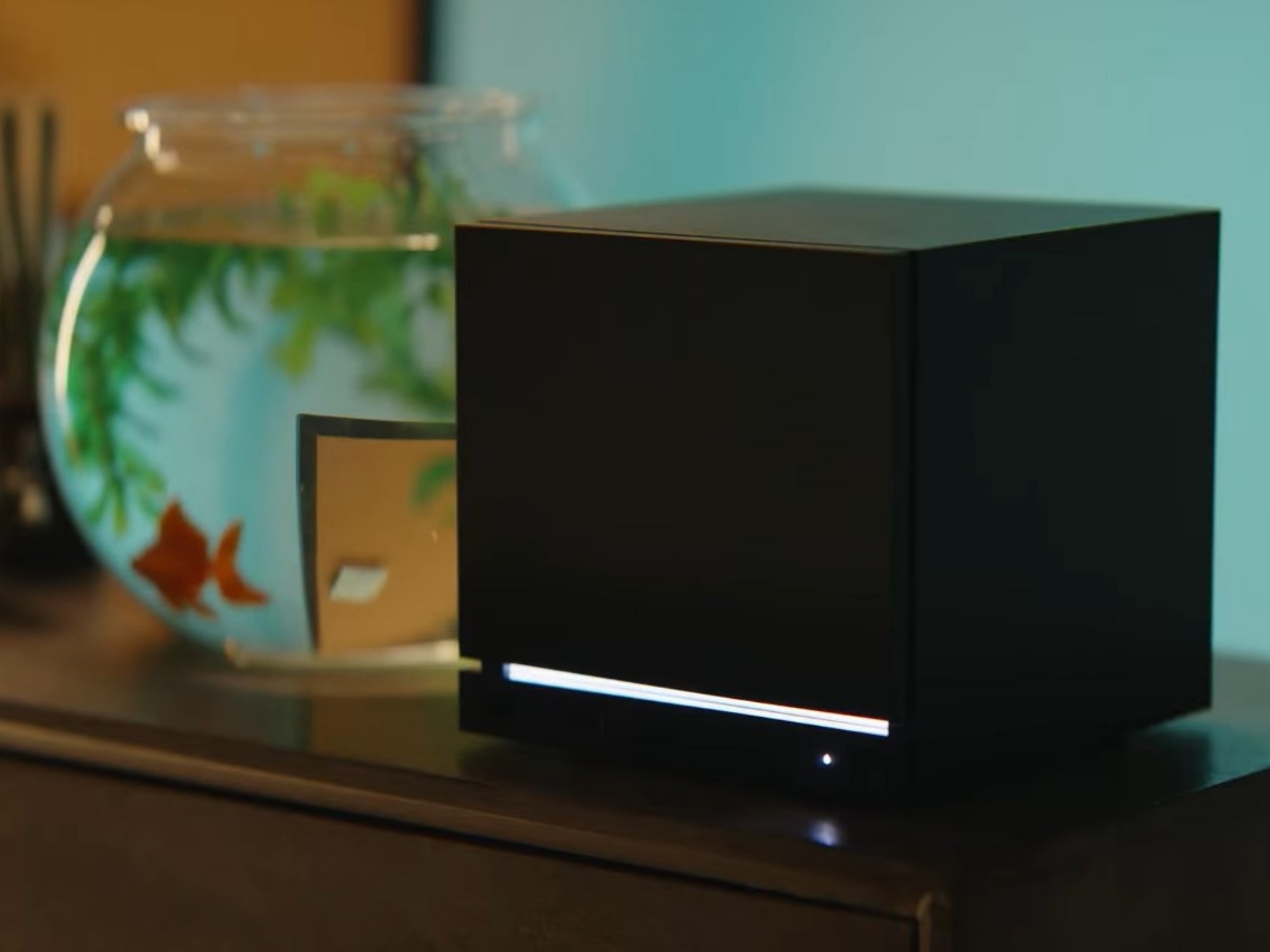
Alongside the Xbox update, Su also commented on Valve’s upcoming Steam Machine. She said Valve is on track to begin shipping its AMD-powered Steam Machine in early 2026, but like the next-gen Xbox, she stopped short of giving an exact time frame.
The Steam Machine is rumoured to use an AMD Zen 4-based processor with RDNA 3 graphics, making it a lower-end offering compared to the alleged next-gen Xbox. Despite this, it is still expected to support 4K output and run Valve’s SteamOS, positioning it as a compact, console-style PC for Steam gaming.
(Source: Gamebeat / Notebookcheck)
