
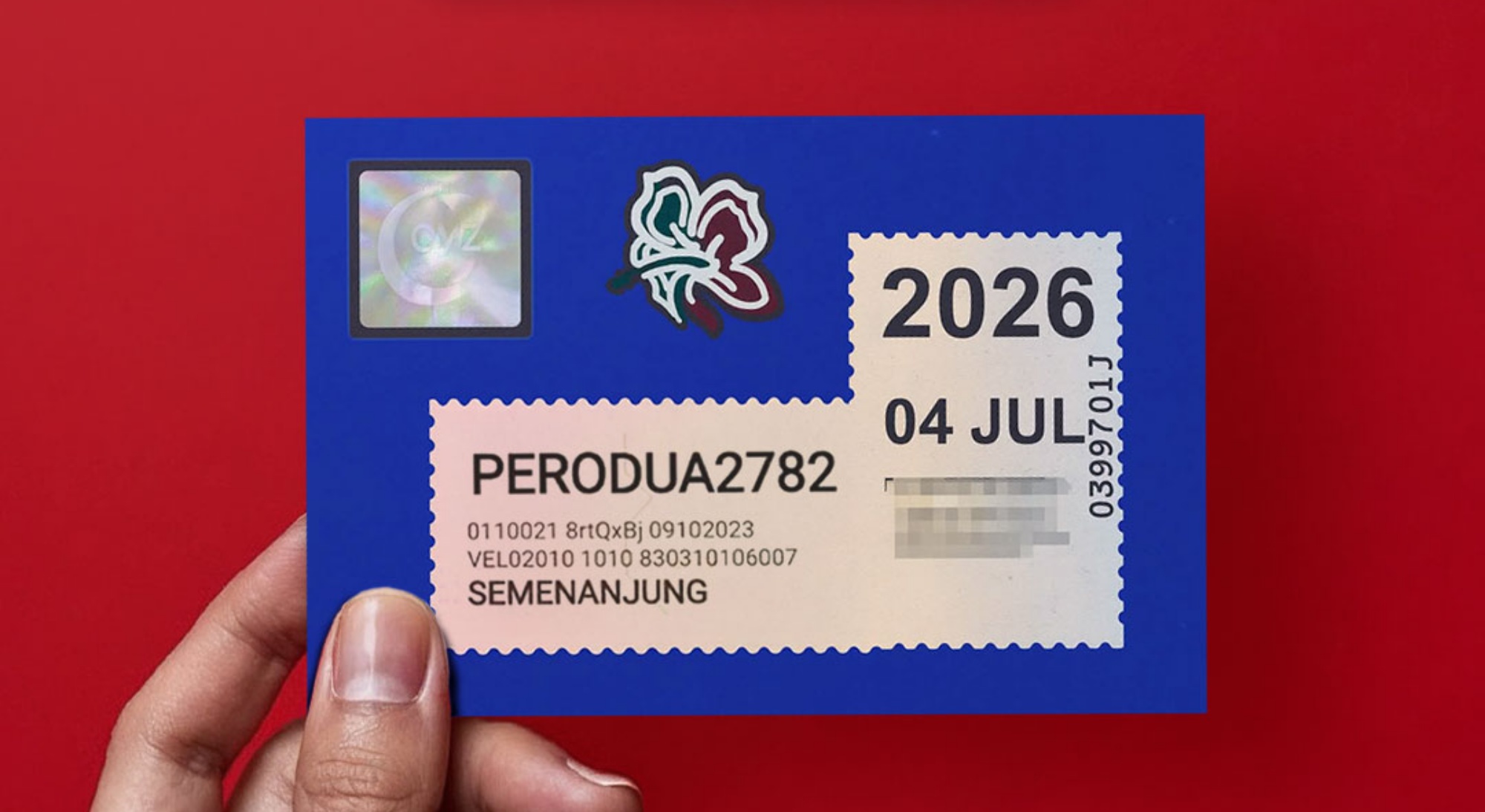
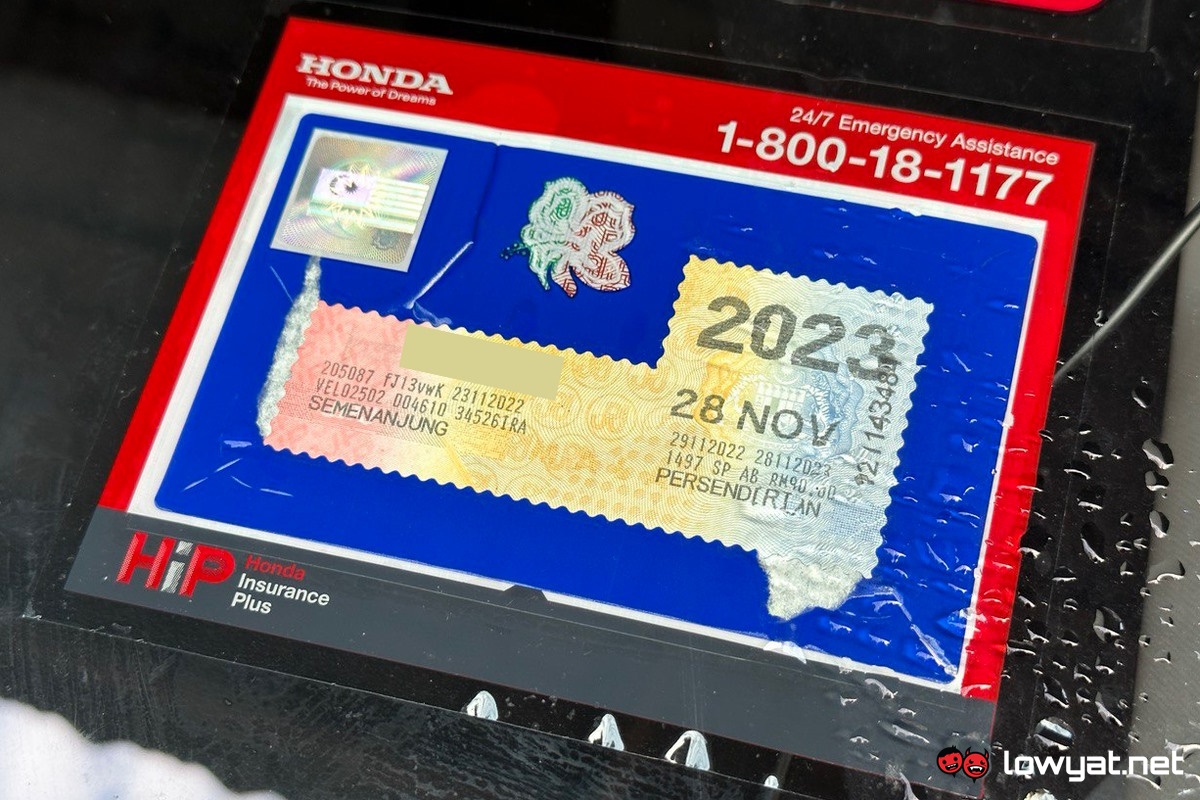
The government is considering lowering road tax rates for diesel-powered vehicles as a near-term measure to ease cost pressures following recent diesel price increases. Speaking at the 80th anniversary celebration of the Road Transport Department Malaysia (JPJ) yesterday, Prime Minister Anwar Ibrahim said he has instructed the Transport Ministry to identify a suitable mechanism to implement the proposal.
The move aims to cushion the financial impact on individuals and industries that still rely heavily on diesel vehicles. Anwar noted that diesel users have been disproportionately affected by recent price adjustments, adding that while lowering fuel prices is not feasible at this stage, adjusting road tax remains a practical alternative.
“Reducing fuel prices is not feasible at this time, but road tax can be (reduced), and there are about 1.8 million diesel vehicles in Malaysia,” he said. “Although the number is relatively small compared with the total, these 1.8 million vehicle owners are affected as diesel prices have increased.”
Transport Minister Anthony Loke later confirmed the move, stating that the ministry has submitted a proposal to the National Economic Action Council (MTEN) to study a reduction in road tax for diesel vehicles. Speaking to reporters during the same event yesterday, Loke said the proposal is intended to support diesel vehicle owners who do not currently receive direct assistance or subsidies.
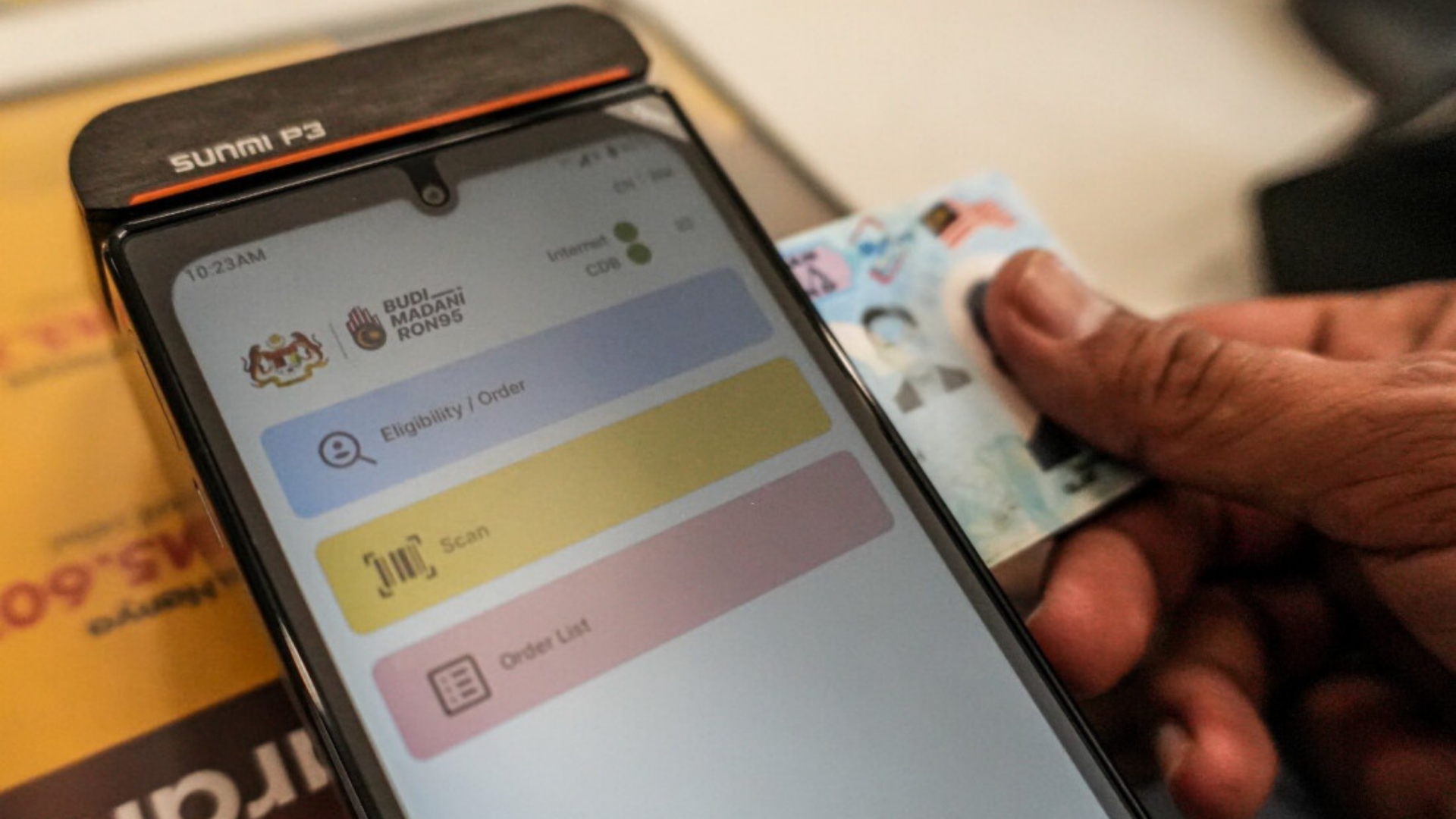
Meanwhile, Anwar reiterated that the government will maintain its targeted subsidy approach for RON95 petrol under the BUDI95 programme. He revealed that fuel subsidies currently cost about RM7 billion per month, highlighting the scale of public spending required to sustain price support.
Separately, this development ties into ongoing efforts to refine Malaysia’s diesel subsidy framework. In a previous update, Communications Minister Fahmi Fadzil said the government is studying the integration of MyKasih and MyKad systems to streamline diesel subsidy distribution. Existing targeted programmes already include the BUDI Diesel scheme, which provides up to RM400 per month for eligible individuals, as well as the fleet card system for commercial vehicles such as buses and lorries.
Beyond pricing, Anwar said the government is also prioritising supply stability amid global uncertainties affecting fuel markets. This indicates that policy decisions will continue to balance affordability with long-term sustainability, rather than relying solely on blanket subsidies.
The post Govt Considering Diesel Vehicle Road Tax Reduction Amid Higher Fuel Prices appeared first on Lowyat.NET.
