
Google has revealed a wave of upcoming Android and AI features during the latest edition of The Android Show, a virtual presentation held ahead of the company’s I/O event that’s scheduled for next week on 19 and 20 May. Much like last year, many of its Android-related updates have been announced in advance before its annual developer conference.
During the show, the tech giant introduced a wide range of new features spanning Gemini AI integration, Android 17 improvements, security upgrades, and cross-platform sharing enhancements. We’ve compiled the highlights below:
Gemini Intelligence
One of the biggest announcements was Gemini Intelligence, a broader push to embed Gemini-powered AI experiences into Android and ChromeOS devices. Google describes the initiative as a combination of hardware and software features designed to proactively help users complete tasks while keeping them in control of their data and privacy.
Google showcased several examples during the presentation. In one demo, users could long-press a grocery list and ask Gemini to automatically create a shopping cart. The AI assistant can also handle background tasks such as reserving spots for activities, although users will still need to confirm actions before any bookings or purchases are finalised.
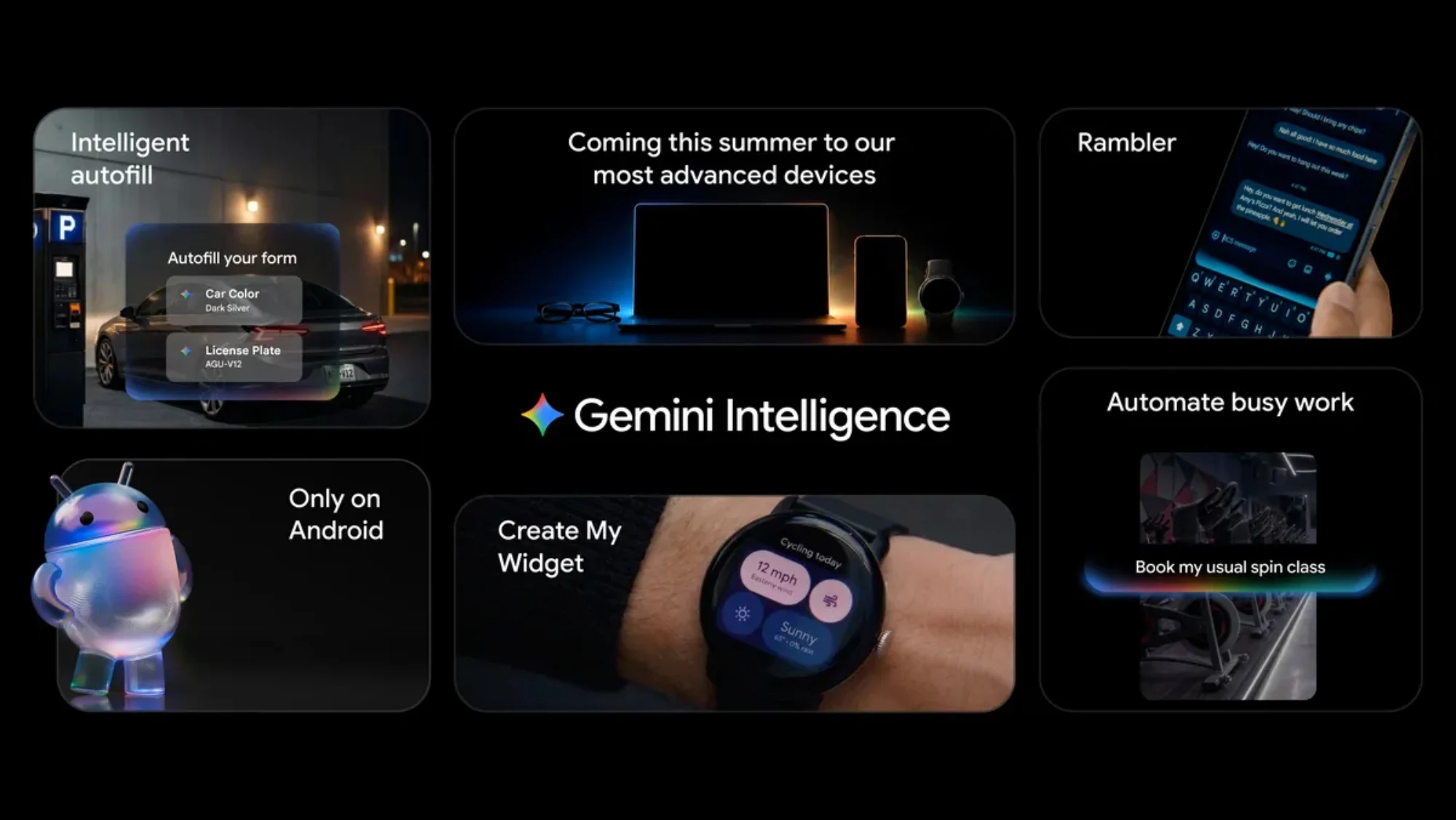
The show also revealed that widgets are receiving renewed attention. Using a feature called Create My Widget, users will be able to generate custom widgets through Gemini prompts, including recipe recommendation panels or trip dashboards that pull data from Gmail and Calendar.
Another addition is Gemini-powered Autofill, which can populate forms using information from connected apps. Google said this should make filling out forms on mobile devices less tedious, though the feature remains optional and users can disable it at any time.
According to Google, Gemini Intelligence will include granular privacy controls. Users will be able to decide which apps Gemini can access and what information gets shared, while automation features will remain disabled until explicitly enabled.
The company confirmed that Gemini Intelligence will roll out across Android, Wear OS, Android Auto, Android XR, and Googlebooks. Samsung Galaxy and Pixel devices will receive the features first starting this summer.
Gemini Chrome On Android
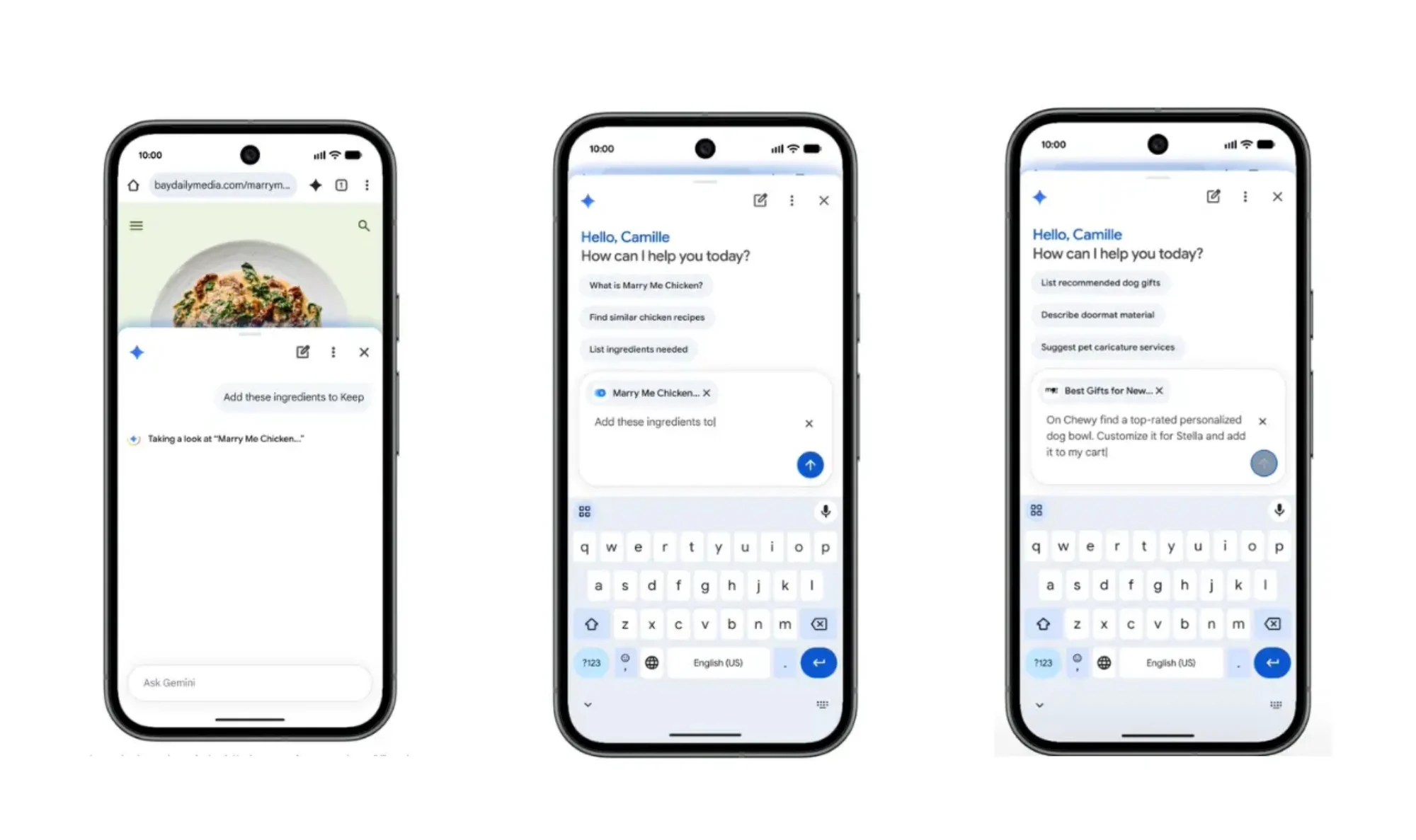
Google also announced that Gemini integration is expanding to Chrome on Android devices. Built on Gemini 3.1, the feature will allow users to summarise webpages, compare information, and ask contextual questions directly within the browser.
The AI assistant can also connect with other Google services including Gmail, Calendar, and Keep. Google is even adding Nano Banana image generation integration, allowing users to create or edit images directly within Chrome.
An upcoming auto-browsing feature will also allow Gemini to complete certain tasks on behalf of users, such as reserving parking spaces near event venues. However, Google said users will still receive confirmation prompts before purchases or sensitive actions are carried out.
Gemini in Chrome is expected to begin rolling out in late June to select Android 12 devices in the US, initially for AI Pro and Ultra subscribers.
Android 17 Updates
Google also previewed several Android 17 features during the show. One of the more visible additions is a new set of 3D emoji known as Noto 3D, which will first debut on Pixel phones later this year before expanding to other Google products.
The company also unveiled a Gemini-powered speech-to-text feature called Rambler. The tool aims to clean up spoken dictation by automatically removing filler words and restructuring speech into clearer messages. Google claims Rambler can even handle users switching between languages mid-sentence, while keeping all speech data local to the transcription process.
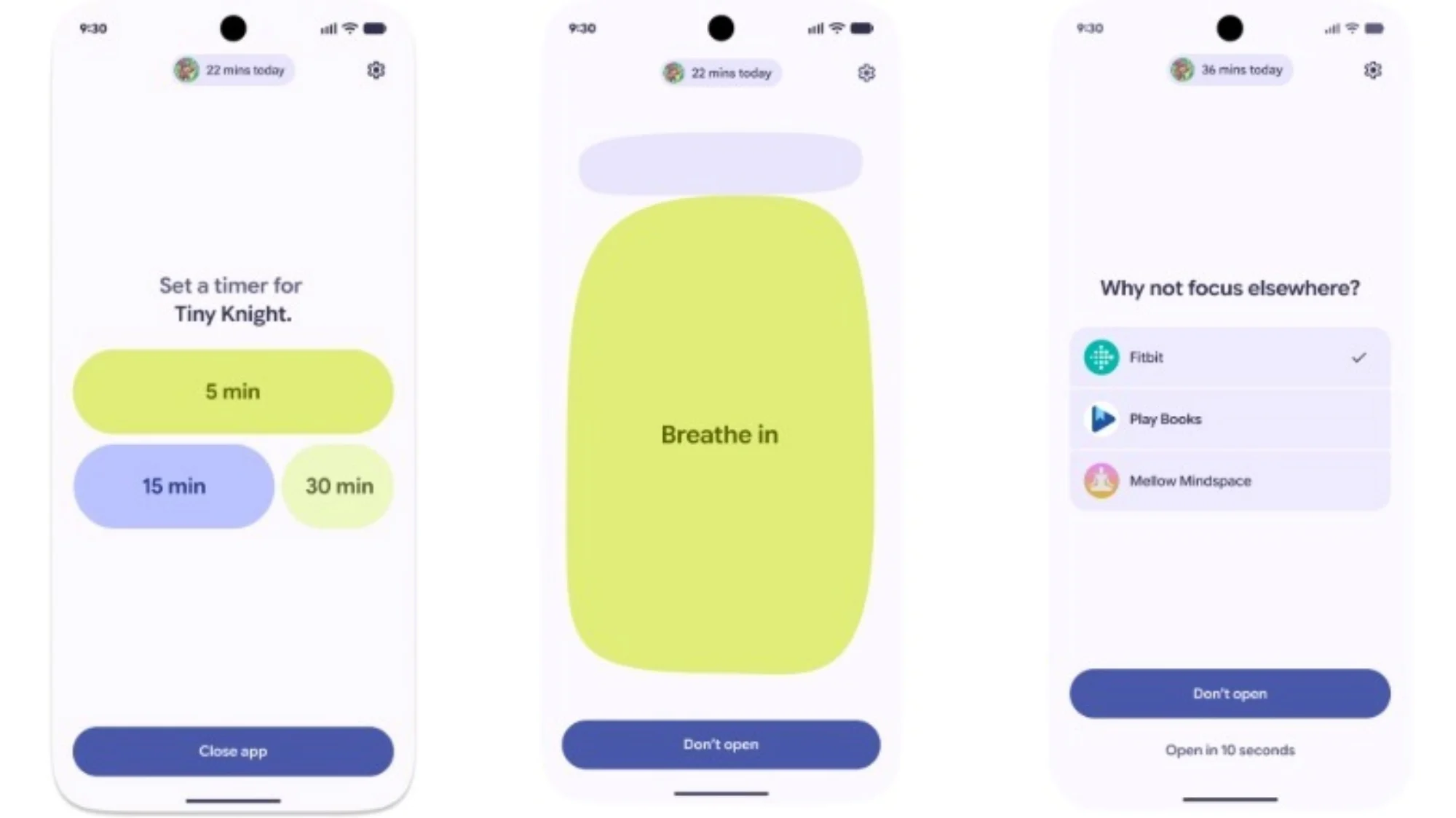
Another new feature, Pause Point, focuses on digital wellbeing. Designed to discourage endless scrolling, Pause Point introduces a 10-second delay before opening selected apps. During that time, Android may suggest breathing exercises, timers, photos, or alternative activities instead. Google is also making the feature deliberately difficult to disable entirely, as users will need to restart their device before turning it off.
For creators, Android 17 will introduce Screen Reactions, a feature that allows simultaneous recording of the user and their device screen. Google said this could simplify reaction videos and commentary content creation. Pixel devices will receive the feature first this summer.
Easier iPhone Switching And Sharing
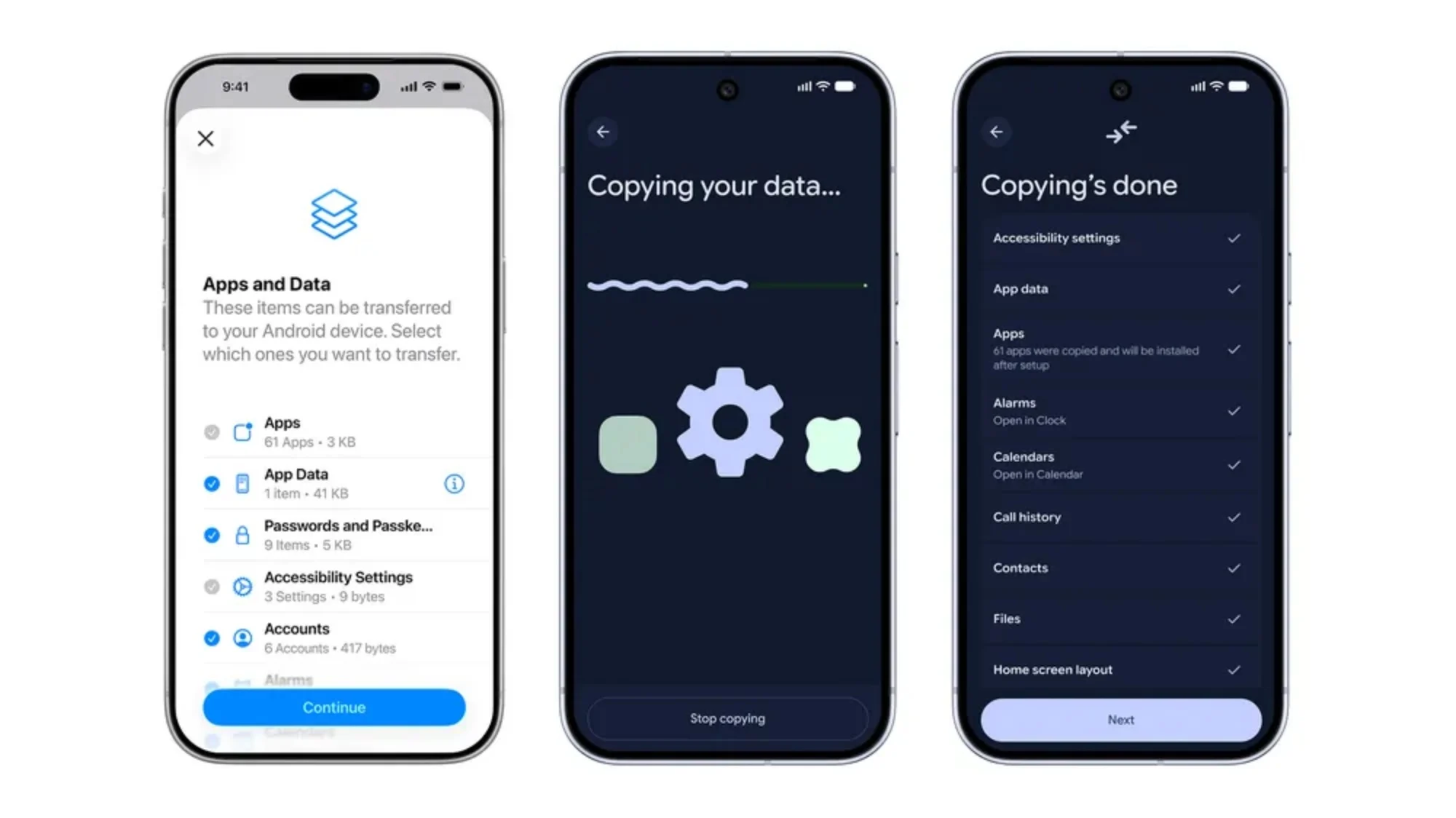
Google also announced improvements for users moving from iOS devices. The company said it has worked with Apple to simplify wireless transfers from iPhones to Android devices, including passwords, apps, messages, contacts, photos, and even eSIM information. Pixel and Samsung Galaxy devices will be the first to support the feature later this year.
Meanwhile, Quick Share is becoming more interoperable with Apple’s AirDrop ecosystem. Google said Android devices from brands including Samsung, Oppo, OnePlus, Vivo, Xiaomi, and Honor will gain compatibility later this year.
Starting immediately, Android users can also generate QR codes through Quick Share to share files with iOS devices through cloud-based transfers. Google additionally confirmed that Quick Share support will soon expand into more apps, including WhatsApp.
Enhanced Android Security
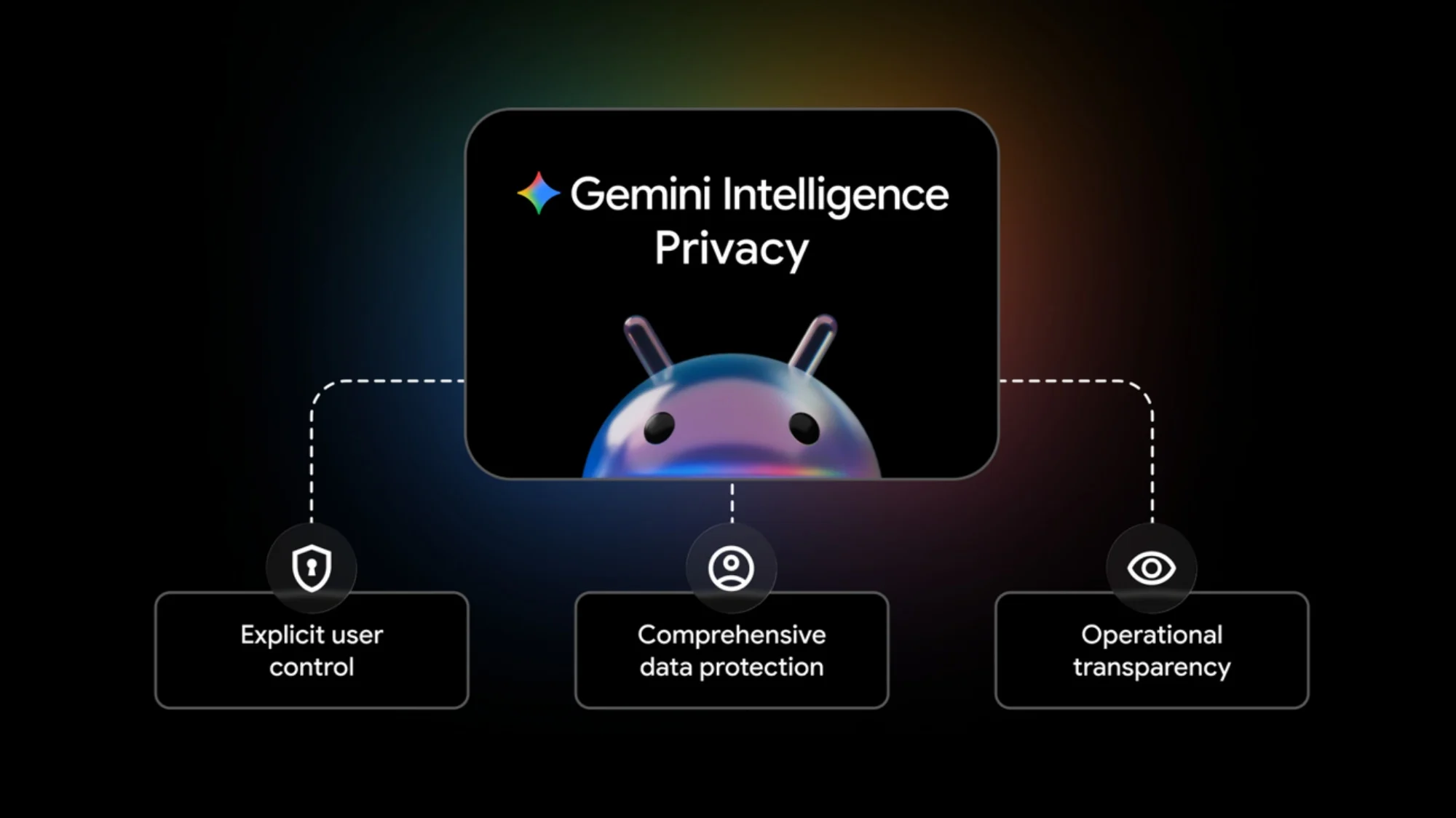
Alongside its AI push, Google spent considerable time discussing Android security and privacy improvements. The company said Gemini Intelligence uses the same underlying security systems protecting other Google products, while features such as Private Compute Core and protected KVM help secure locally processed data.
Android 17 will also provide more transparency around AI activity. Users will be able to see when Gemini Intelligence is active through notification indicators and monitor what tasks the AI is performing in real time. The Android Privacy Dashboard will also soon show which AI assistants accessed apps within the previous 24 hours.
Google is additionally introducing new protections against scam calls impersonating financial institutions. The feature verifies calls through installed bank partner apps and can automatically hang up if verification fails. For now, it is not known whether Malaysian banks will be included along the way.
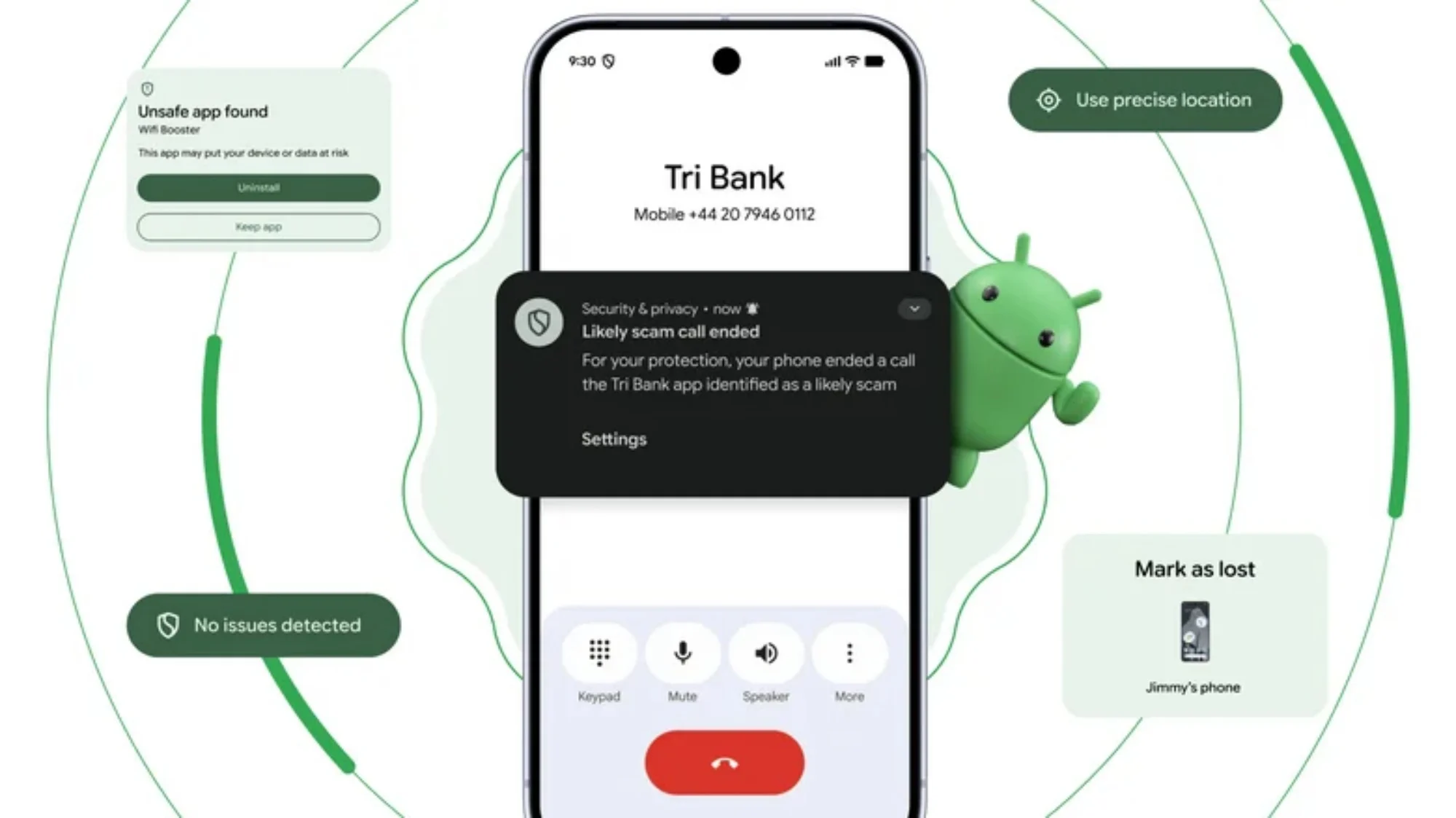
Additionally, Android 17 will strengthen protections against malicious apps by monitoring suspicious behaviour such as hidden app icons or abusive accessibility permissions. Users who sideload apps through Chrome on Android will receive malware scanning protection through Safe Browsing as well.
Google is also improving device-level protections by increasing delays between incorrect PIN or password attempts. Meanwhile, Android 17 will give users more granular control over location sharing, including the ability to provide precise location access only during specific app tasks.
But Wait, There’s More
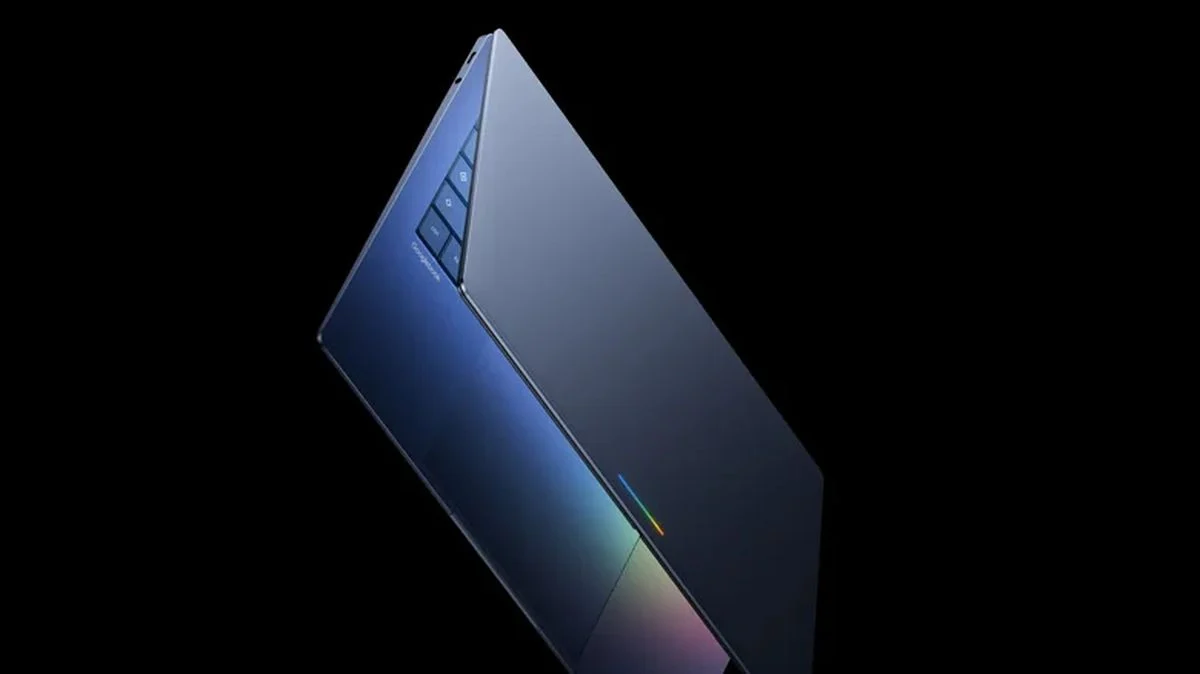
There were several other announcements made during The Android Show that’s not included in this article. We will be covering the more notable reveals, including the new Googlebook devices and updates to Android Auto, in their own standalone articles.
Needless to say, do stay tuned to our website and social media channels for those later.
(Source: Google [official website])
@lowyatnet Android users watching the recap like it’s a season finale #TheAndroidShow #AndroidLife #TechReels #AndroidUsers #GoogleUpdates
The post The Android Show 2026: Google Unveils New Gemini, Android 17 Features appeared first on Lowyat.NET.
