
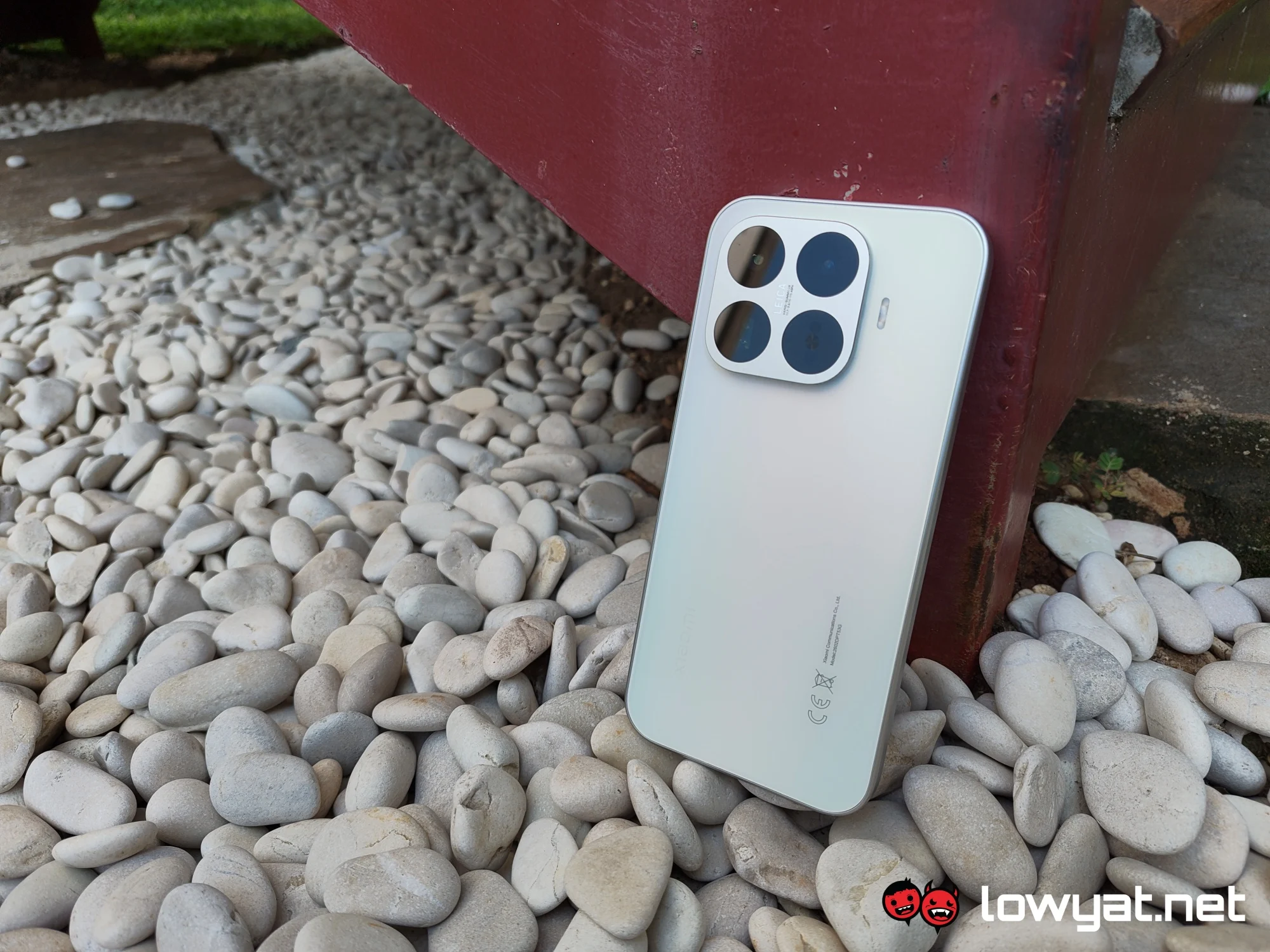
Much like its POCO sub-brand, Xiaomi now appears to be making a few adjustments of its own with the newly launched 17T series. The move is particularly notable given the company’s usual release cadence – T-series models are typically introduced around September. This time, however, the device arrives a few months earlier, with the base 17T taking centre stage in this review.
As expected, the 17T is positioned as the more affordable entry point into the 17 series, omitting features such as secondary rear displays and more advanced imaging hardware. That said, starting at RM2,399, does it still make a compelling case for itself?
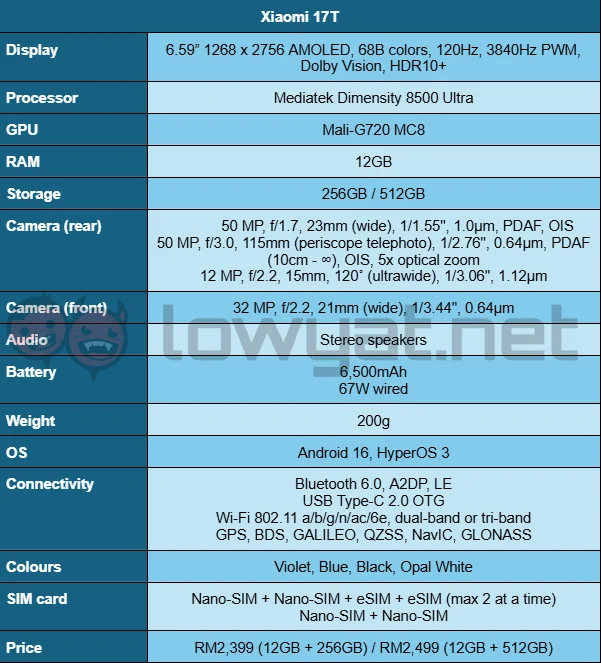
Specifications
Looks and Functionality
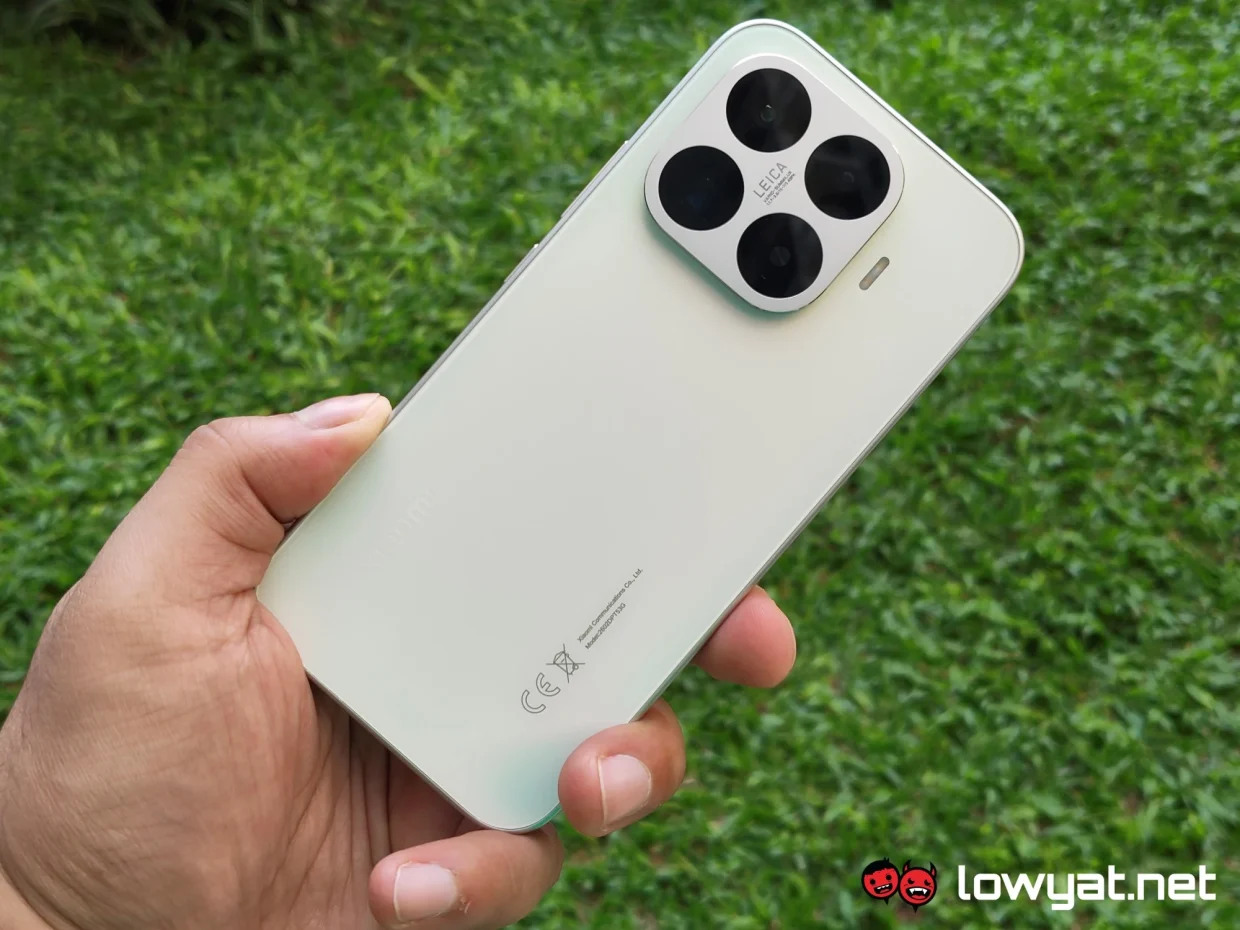
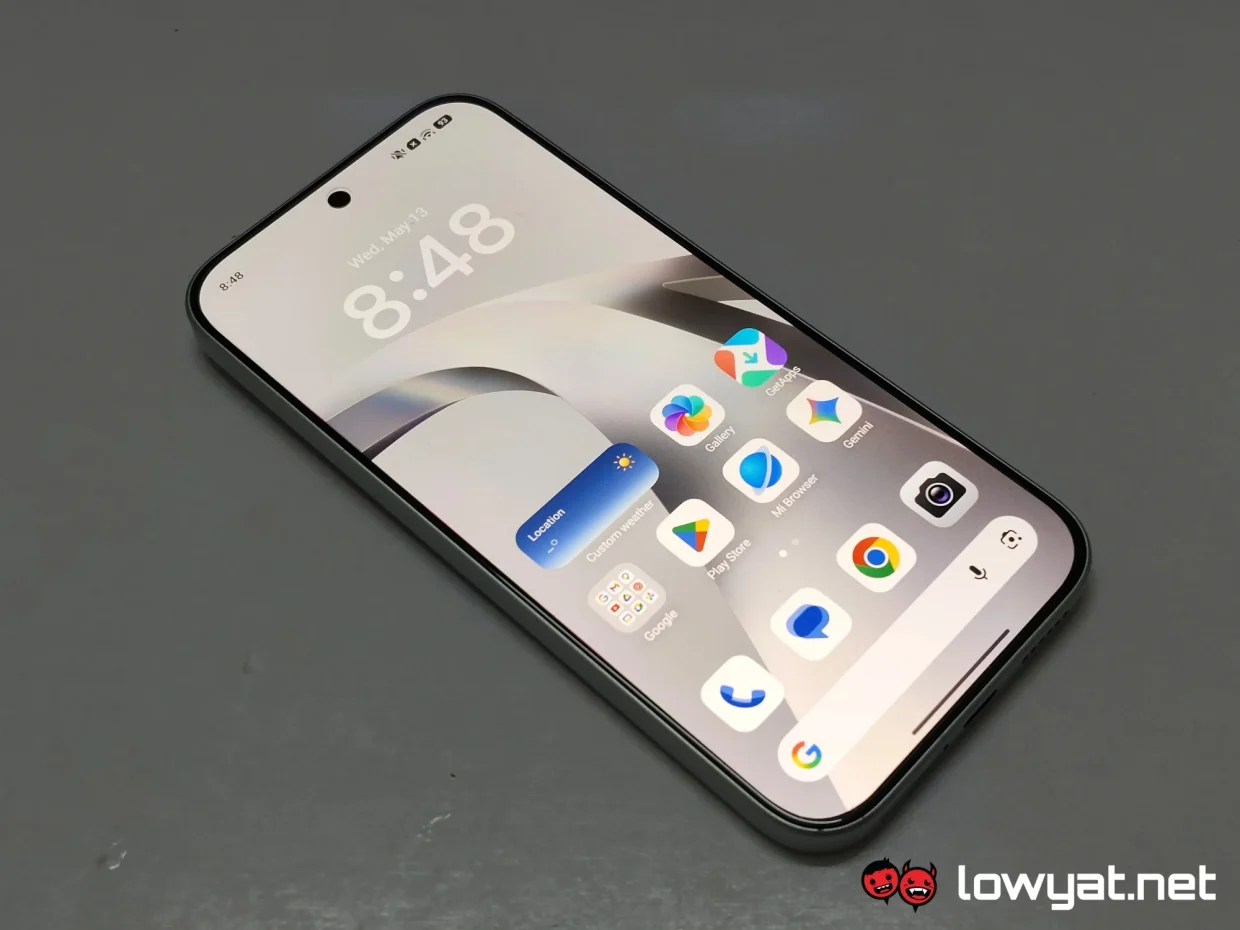
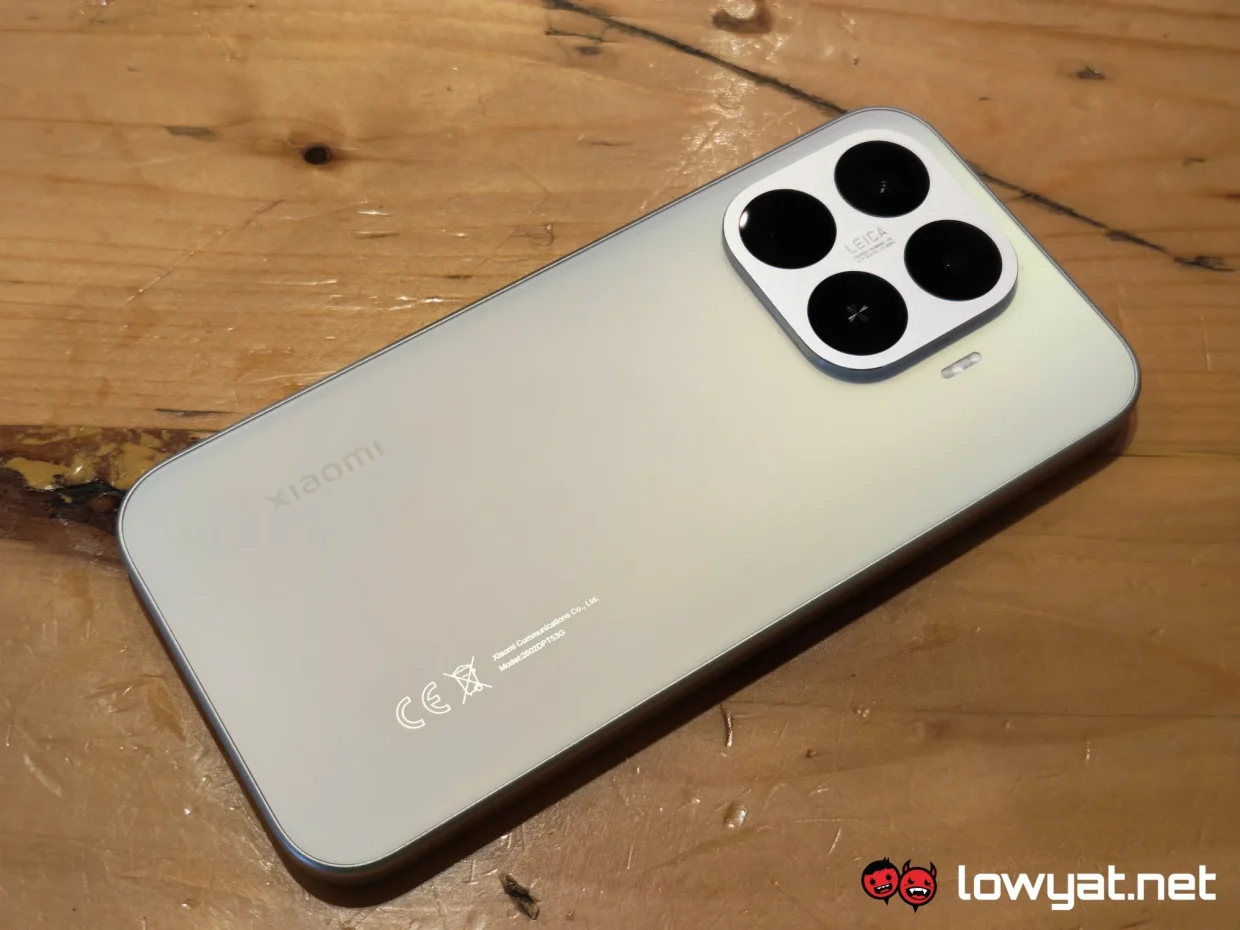
In terms of design, the 17T comes across as the more vibrant option compared to the regular Xiaomi 17. The unit on hand features a pearlescent white finish that shifts to a pinkish hue under certain lighting, whereas the standard model sticks to a more uniform, solid colour.
It’s easy to argue that the 17T’s design serves to offset its paired-back specifications. Even so, the look works. The finish adds a playful touch without feeling gaudy or excessive.
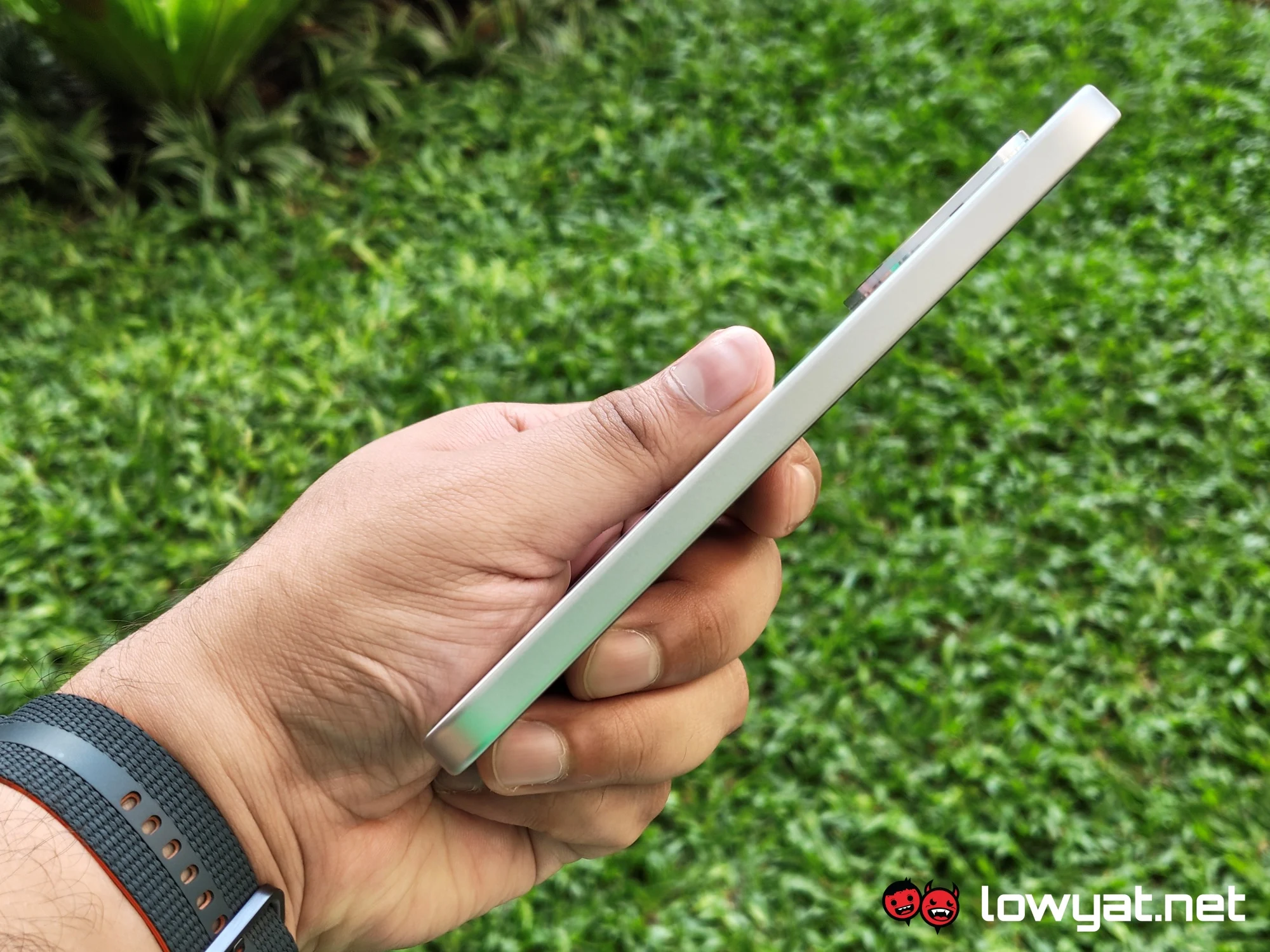
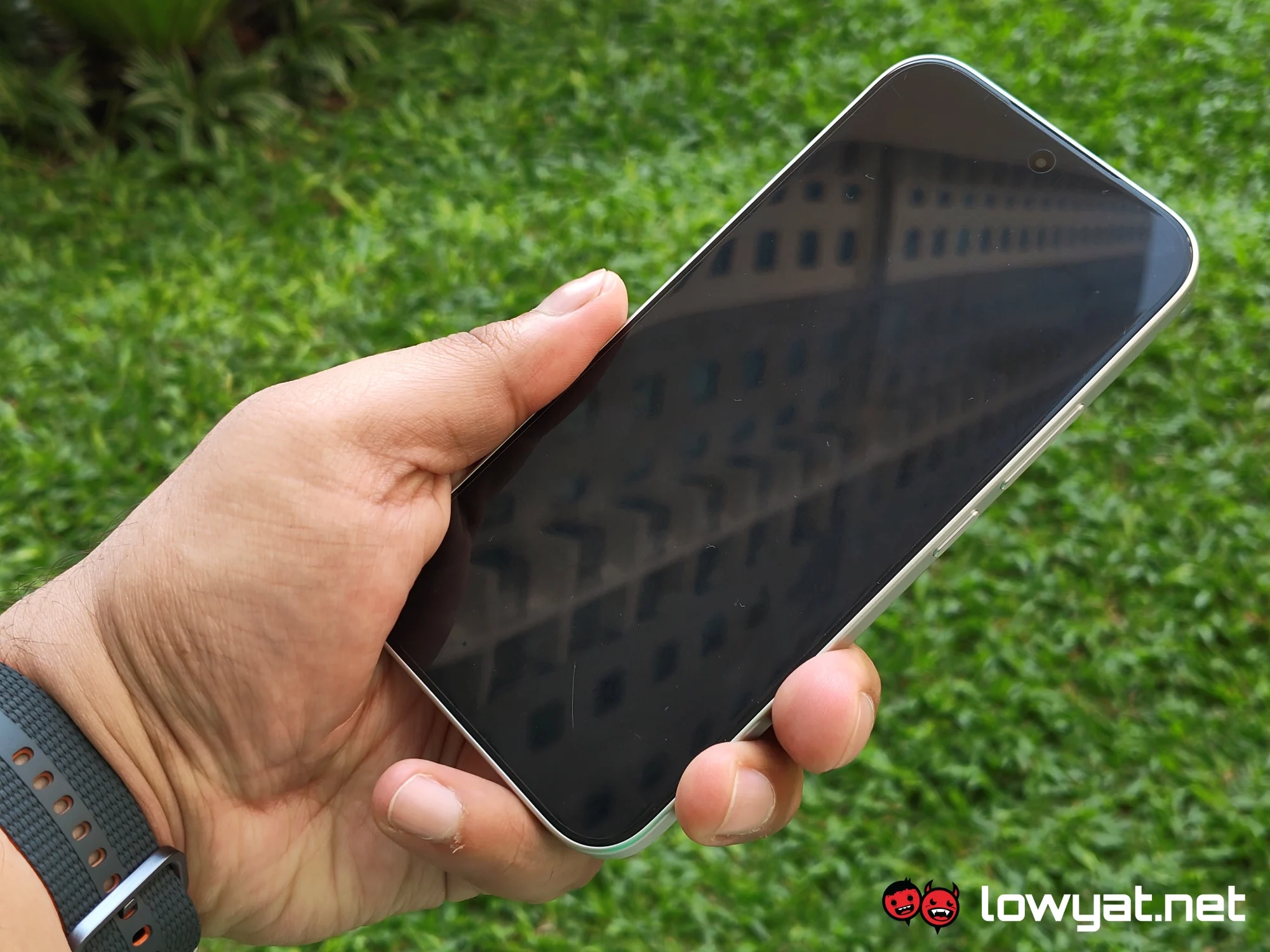
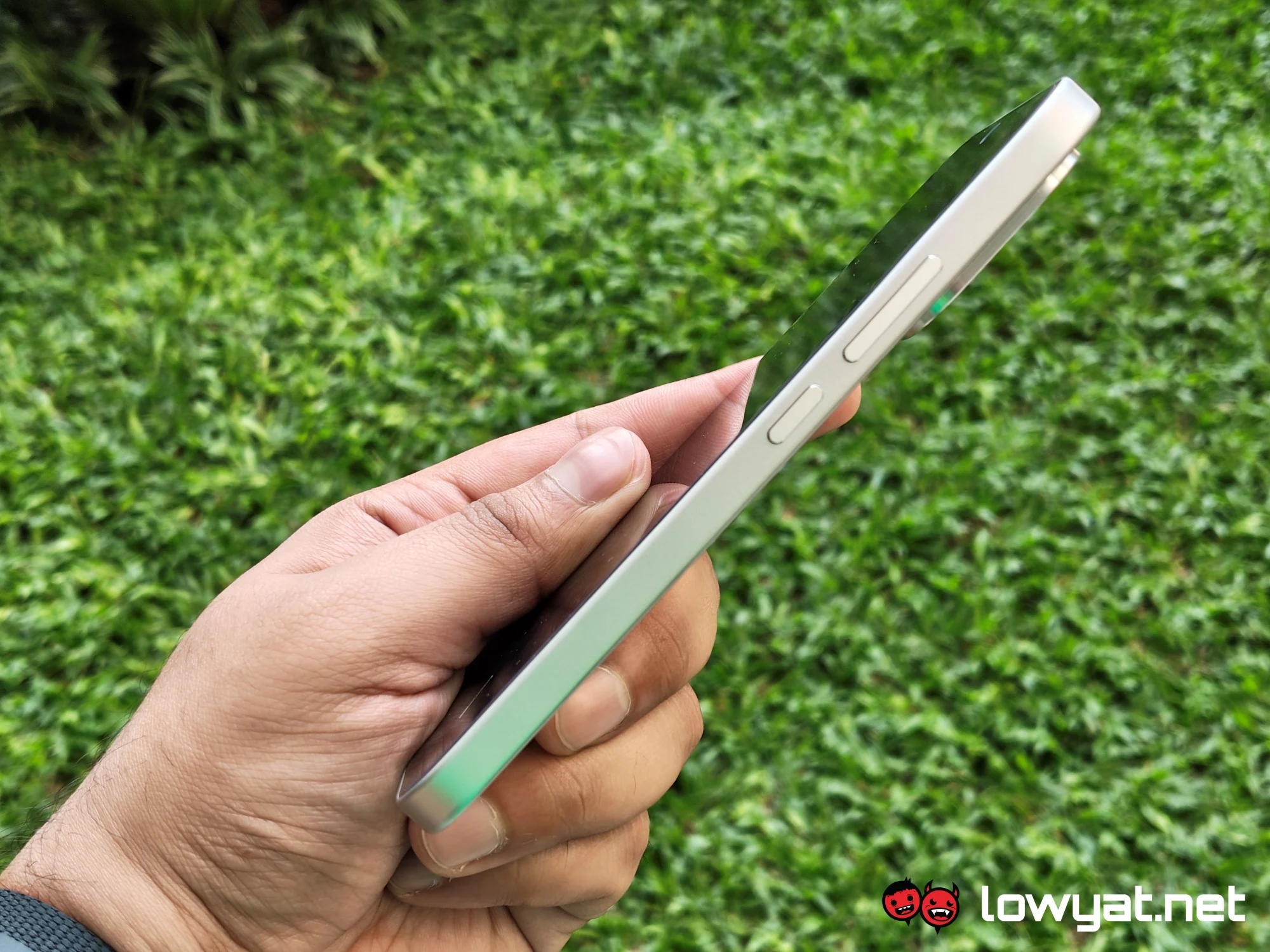
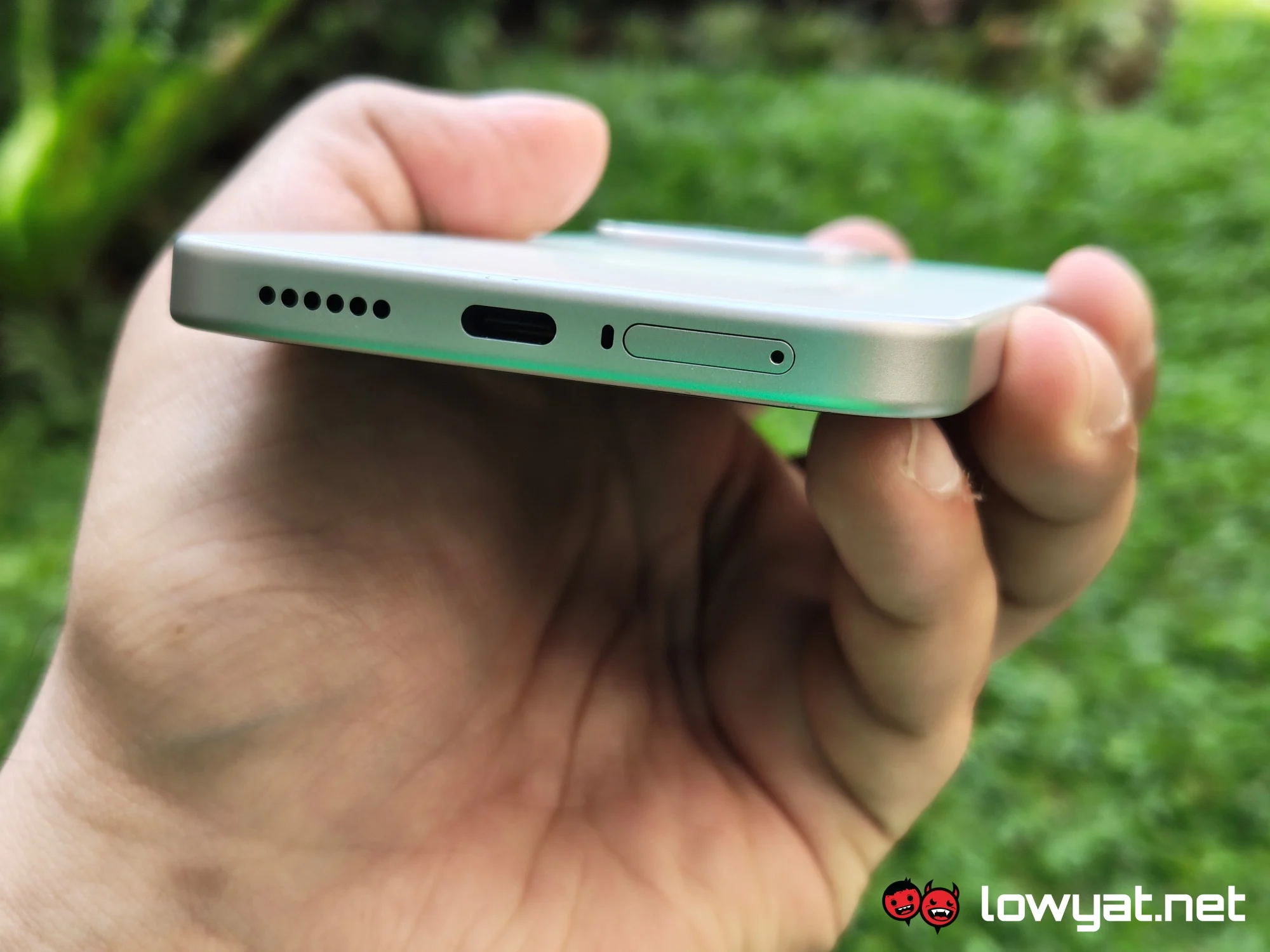
The phone also features a matte texture that feels comfortable in hand while improving grip. This finish, combined with the overall design, does a good job of keeping fingerprints at bay. Rounding out the design is a camera island housing four lenses, with the flash positioned slightly outside the module, a metal frame, and the standard power button and volume rocker on the right side.
Moving on, the handset features a 6.59-inch AMOLED display with a 120Hz refresh rate. While it may be smaller than many phones on the market, the 17T sits in a comfortable sweet spot, offering enough screen real estate without feeling unwieldy.
Much like other phones before it, the 17T features a stereo speaker setup consisting of a bottom-firing speaker and an earpiece that doubles as the second channel. Credit where it is due, the speakers can get impressively loud when pushed. Overall sound quality is decent, although the top end can feel slightly harsh, while the bass tends to muddy vocal clarity.
As with most Xiaomi phones released in recent times, the 17T runs the company’s HyperOS 3. Visually, it does not bring much that feels groundbreaking, instead drawing clear inspiration from iOS in both design language and certain functionalities. Unfortunately, the handset also comes with a fair amount of bloatware, with several arguably unnecessary apps pre-installed out of the box.
Performance and Battery
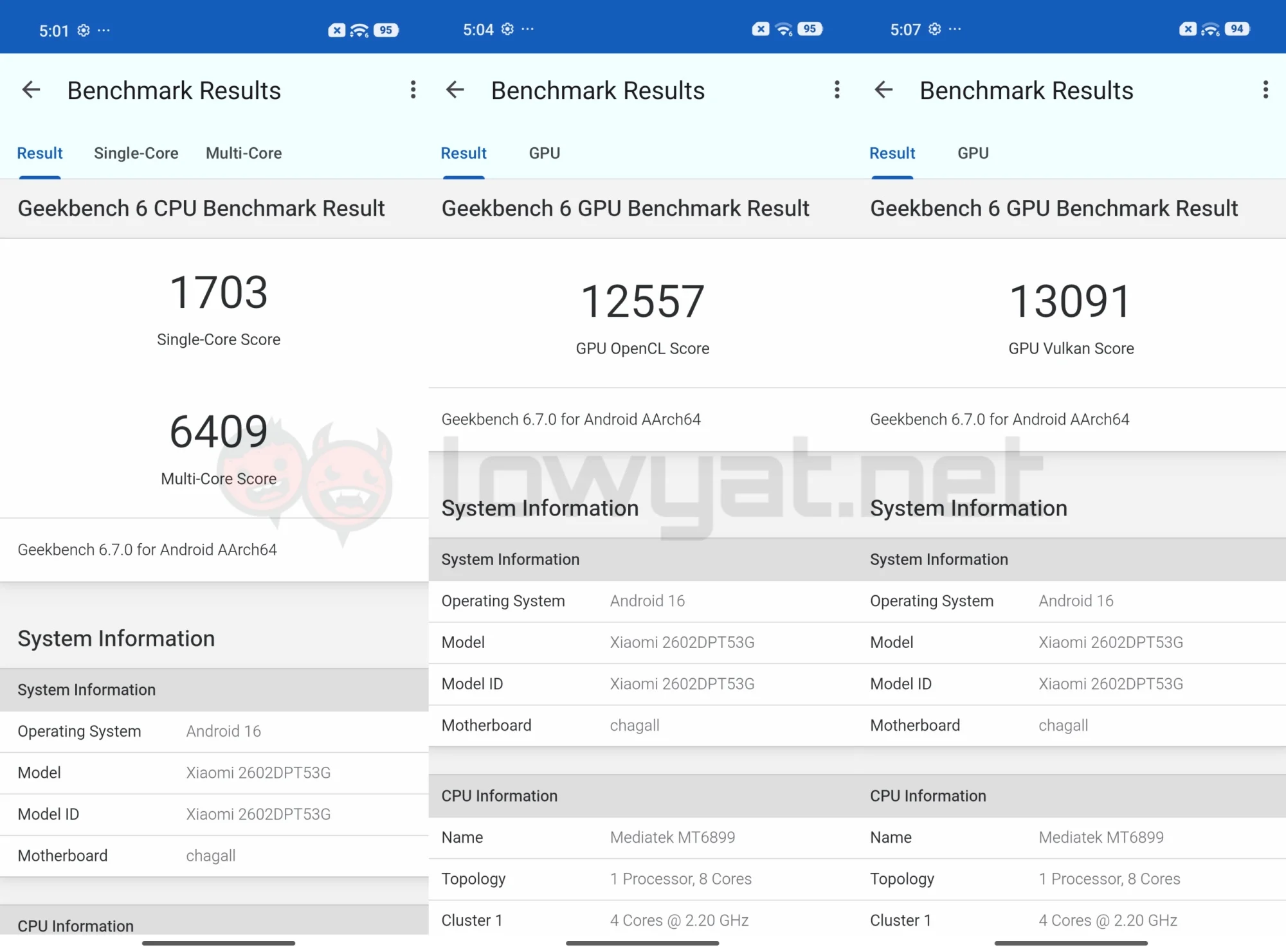
While running benchmarks and working on this review, I came to realise that the Xiaomi 17T is, in many ways, quite similar to the previously released POCO X8 Pro. Both devices are powered by the Dimensity 8500-Ultra chipset, a capable SoC that can handle some pretty demanding workloads.
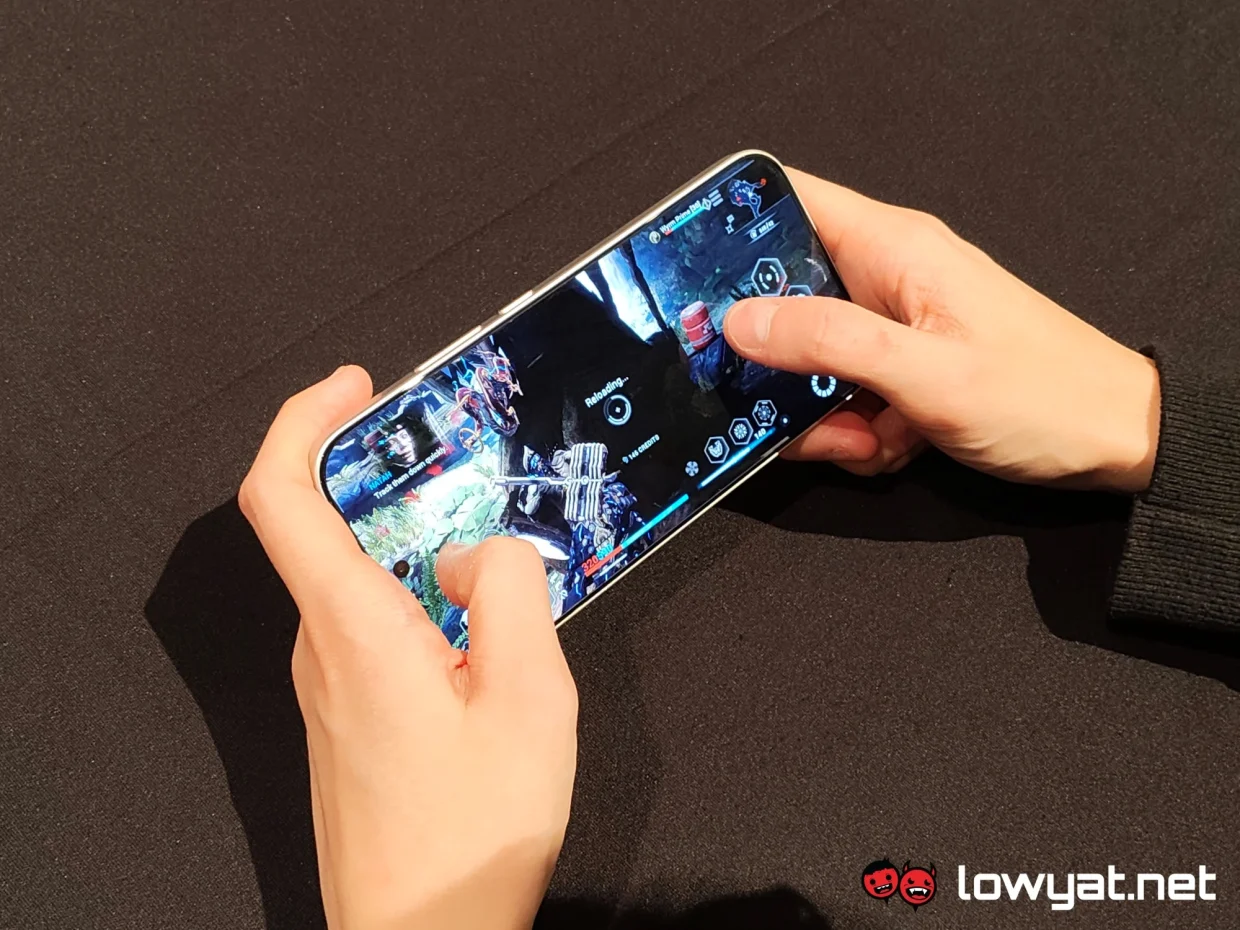
Although I was unable to run 3DMark on the 17T, it still delivered respectable results in Geekbench. In terms of gaming performance, the device holds up well, with both Warframe and Where Winds Meet running smoothly at a stable 60fps on maximum settings without any noticeable issues. Coupled with the display’s consistent 120Hz refresh rate, the device showed no signs of slowing down during extended use.
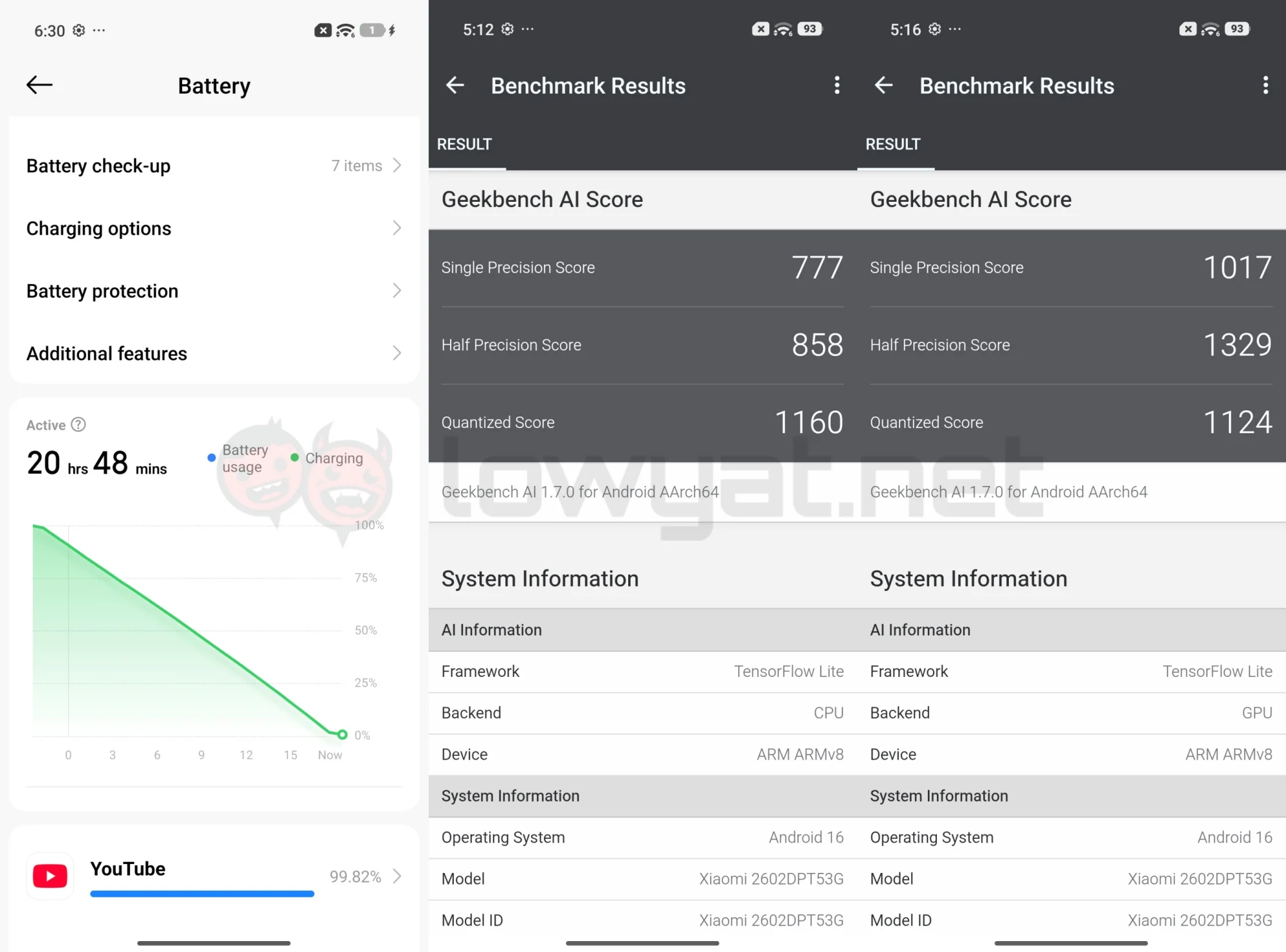
Of course, every strength tends to come with a trade-off. While the 17T’s performance is impressive, it is somewhat offset by its less-than-stellar battery life. In our tests, the device managed around 20 to 22 hours of continuous video playback, which is perfectly serviceable and sufficient for a full day of use. However, I noticed that it would drain a little faster when I’m just enjoying some social media. Under heavier loads such as gaming, battery drain becomes more noticeable. For reference: I lost about 15% in about 10 minutes of play.
Another point worth noting is the device’s tendency to run quite warm under load. Whether it is due to the pearlescent finish or limitations in thermal management, there were moments during daily use where it genuinely felt uncomfortably hot to hold. Even something as simple as enabling the hotspot was enough to raise temperatures noticeably in my pocket. Temperatures would also begin to rise steadily as I was loading up Warframe.
If there is any silver lining, it is that the device charges quite quickly. Using the included charger, I was able to gain around 30% in roughly 30 minutes, with a full charge taking just over an hour.
Camera
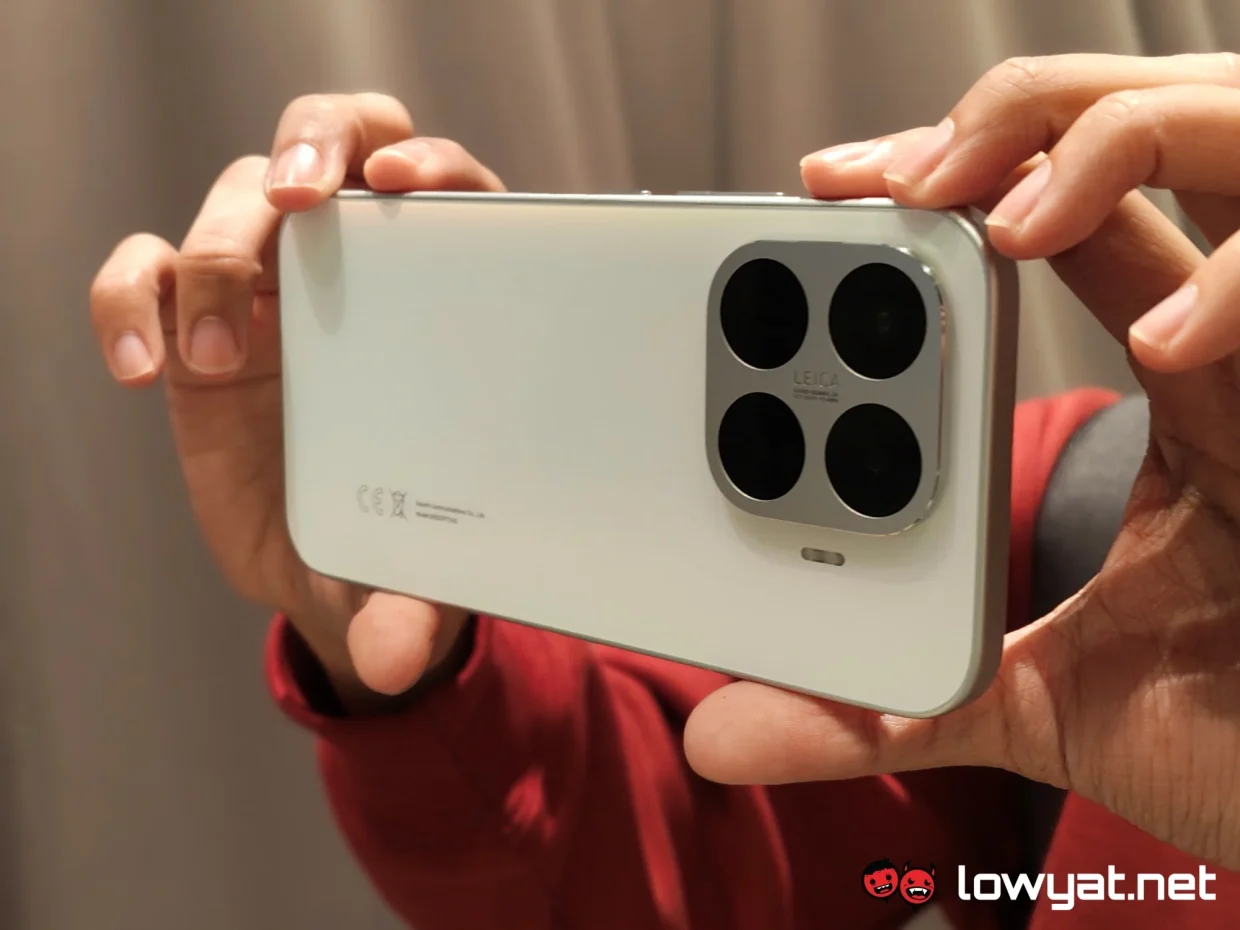
For imaging, the Xiaomi 17T features a triple-camera setup consisting of a 50MP main shooter, a 50MP periscope telephoto, and a 12MP ultrawide. There is technically a fourth module on the rear, although it appears to be more cosmetic than functional.
In testing, the camera system proved to be surprisingly capable for its price range. Photos come out vivid and detailed in both well-lit and low-light conditions. That said, the phone does take a moment to post-process some shots, which suggests Xiaomi is leaning quite heavily on AI-assisted image processing to produce the final result.









All three cameras managed to capture plenty of detail, while colours were generally accurate. There were a few instances where certain hues, especially greenery, looked a little oversaturated, but never to the point of being distracting or unpleasant to look at.
I was especially impressed with the Xiaomi 17T’s portrait mode. Whether shooting animals or close-up subjects, the phone was able to capture fine details such as individual strands of fur and whiskers with ease. Subject separation was also generally solid, while the resulting bokeh effect looked pleasing for the most part.
More Images

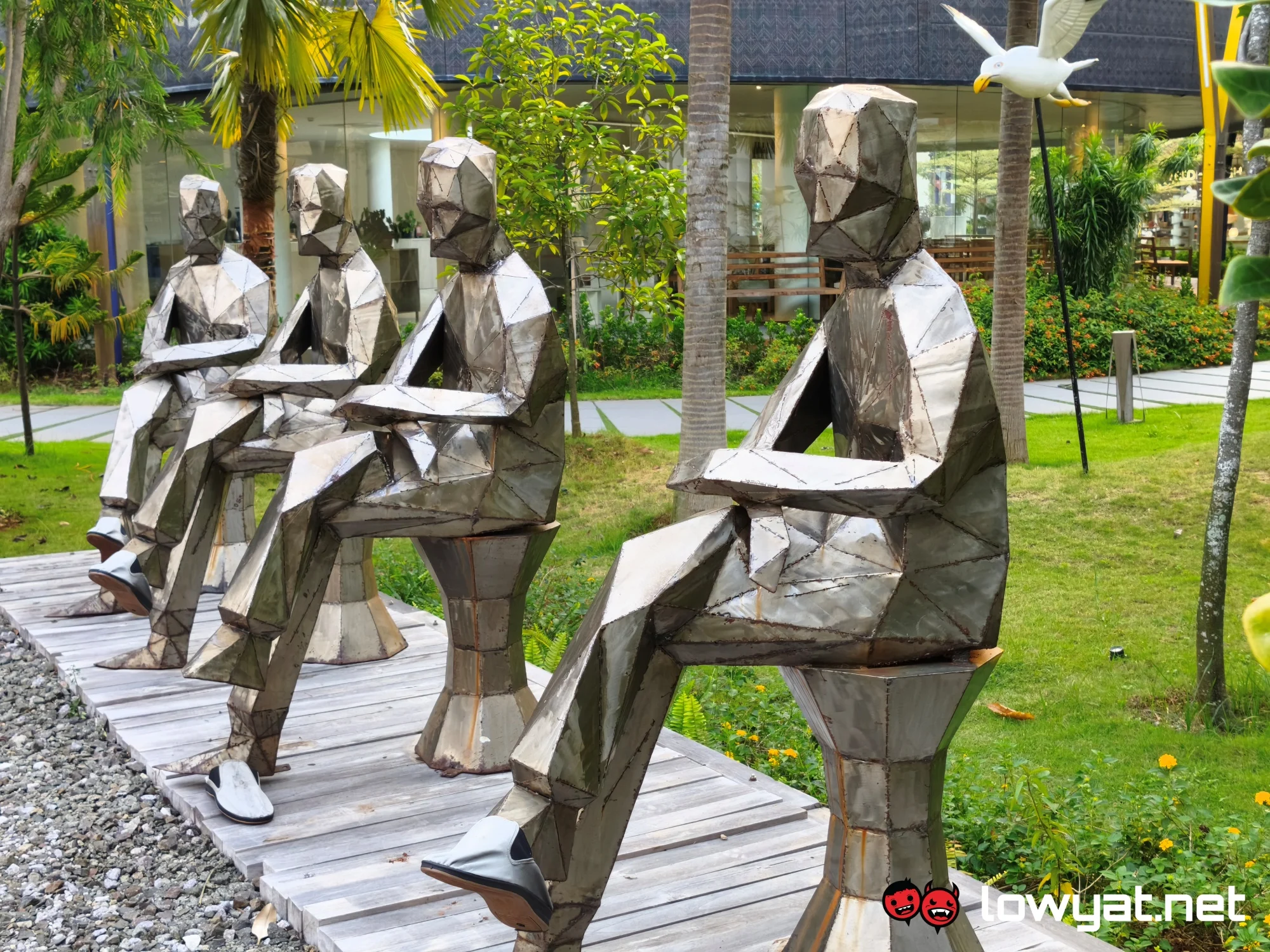

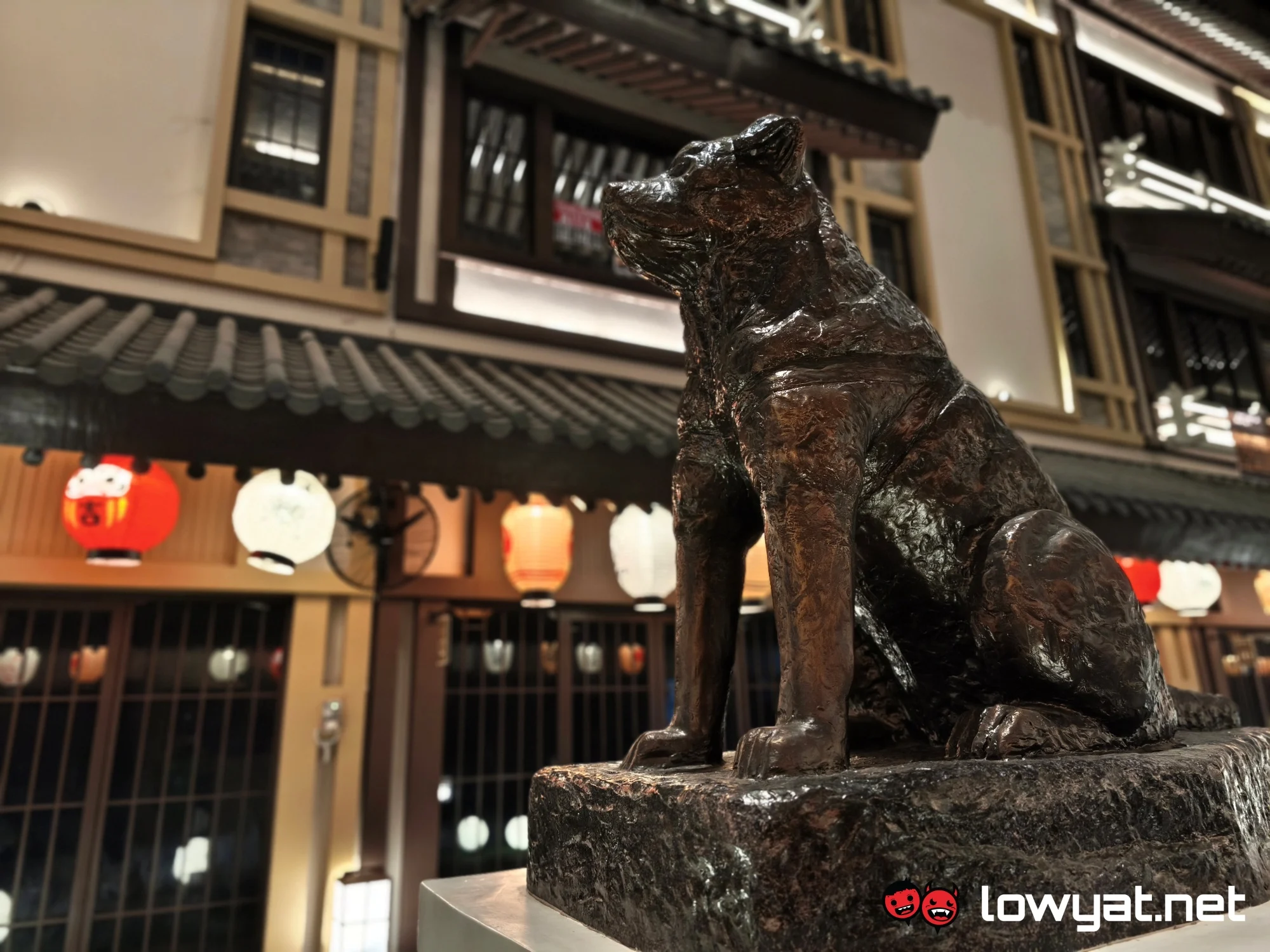



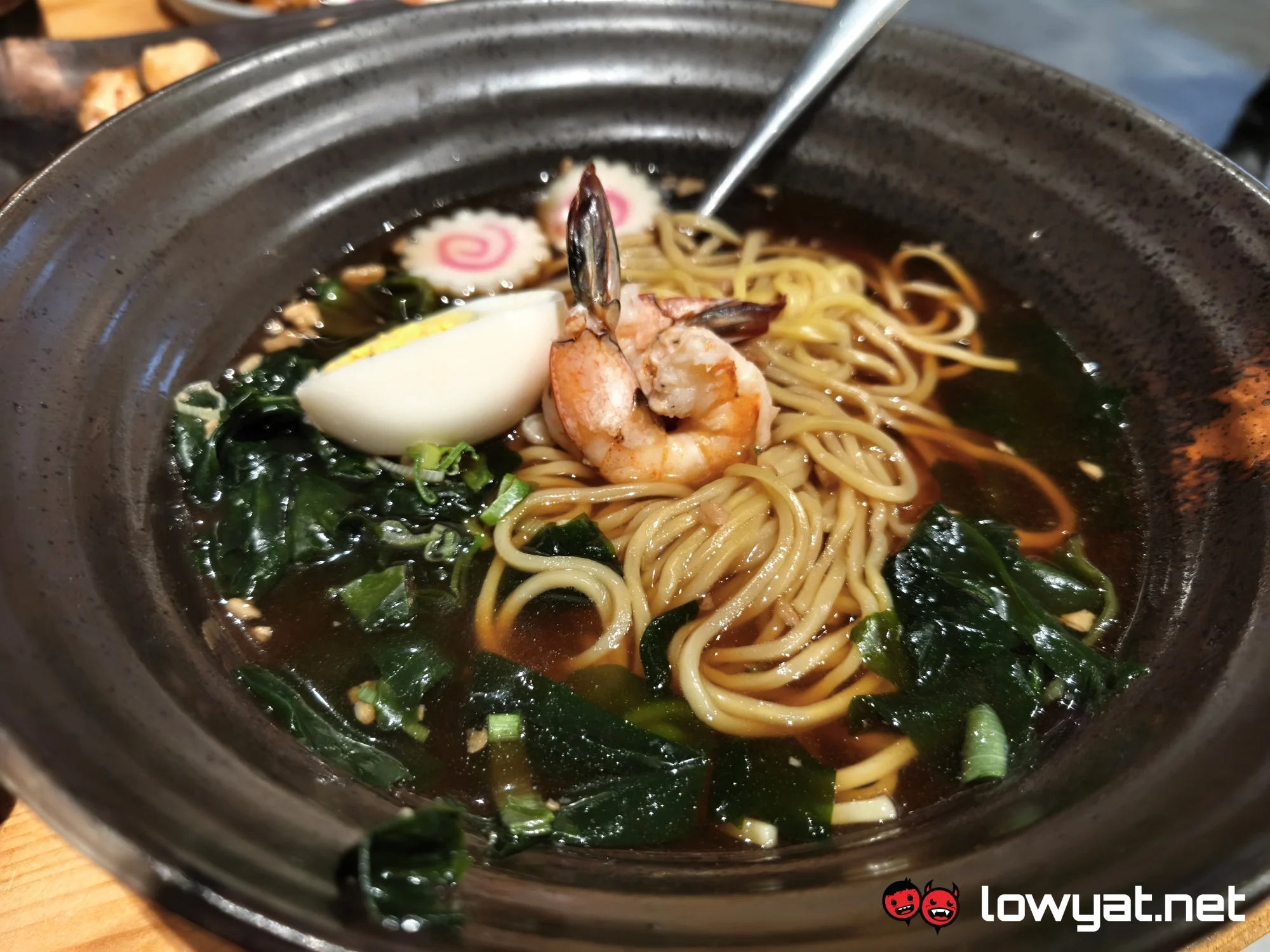

If I had any complaints, it would be that the blur can occasionally appear a little too aggressive, sometimes cutting into the subject itself, although this can be adjusted fairly easily during post-processing. Oh, it’s also worth noting that the shutter speed can be a bit hit-or-miss. At times, it manages to capture fast-moving subjects with just a hint of blur, but on other occasions, the subject ends up looking like a smudge on the screen. Even after multiple tests, I still can’t determine what’s causing this inconsistency.
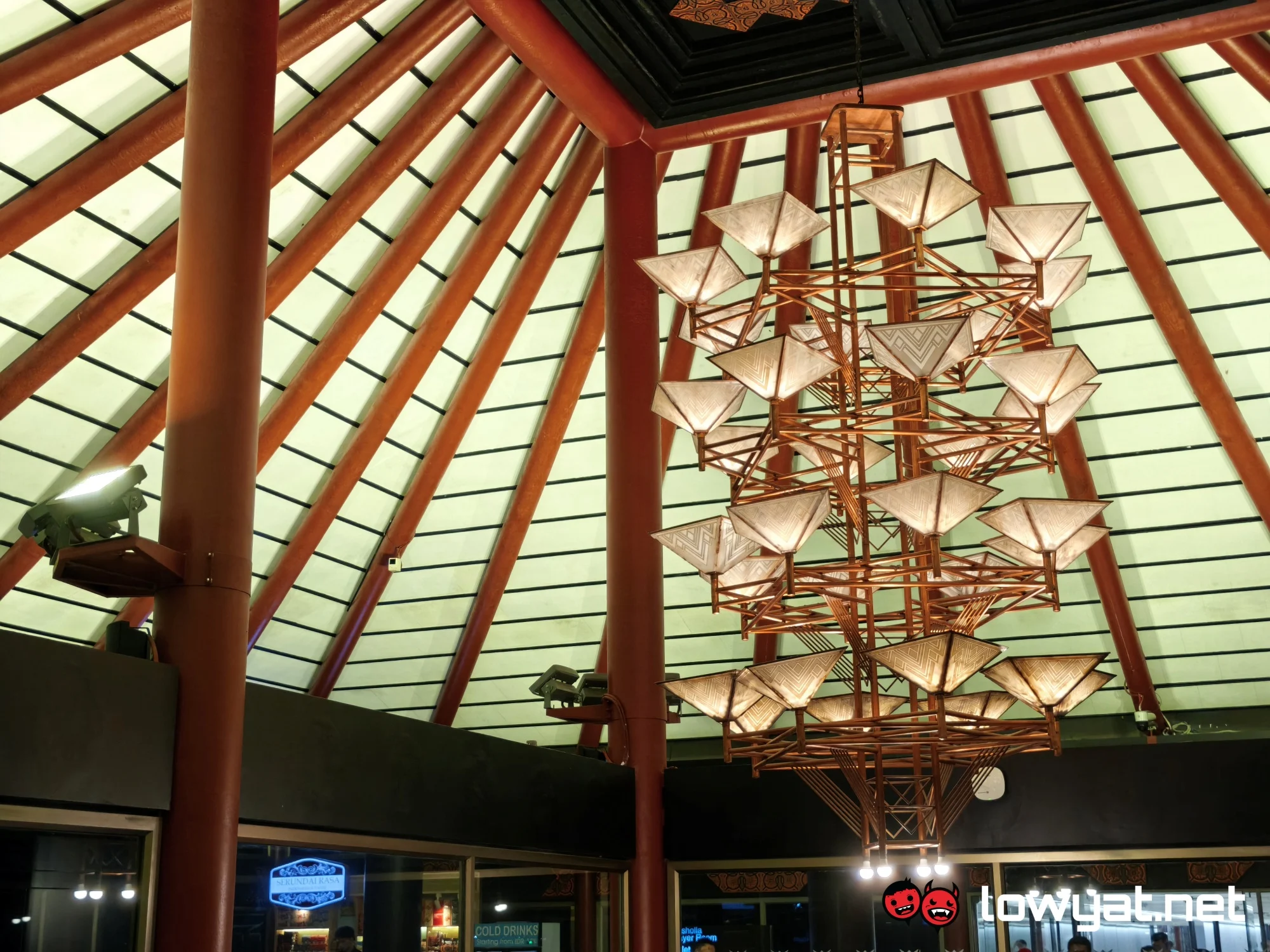
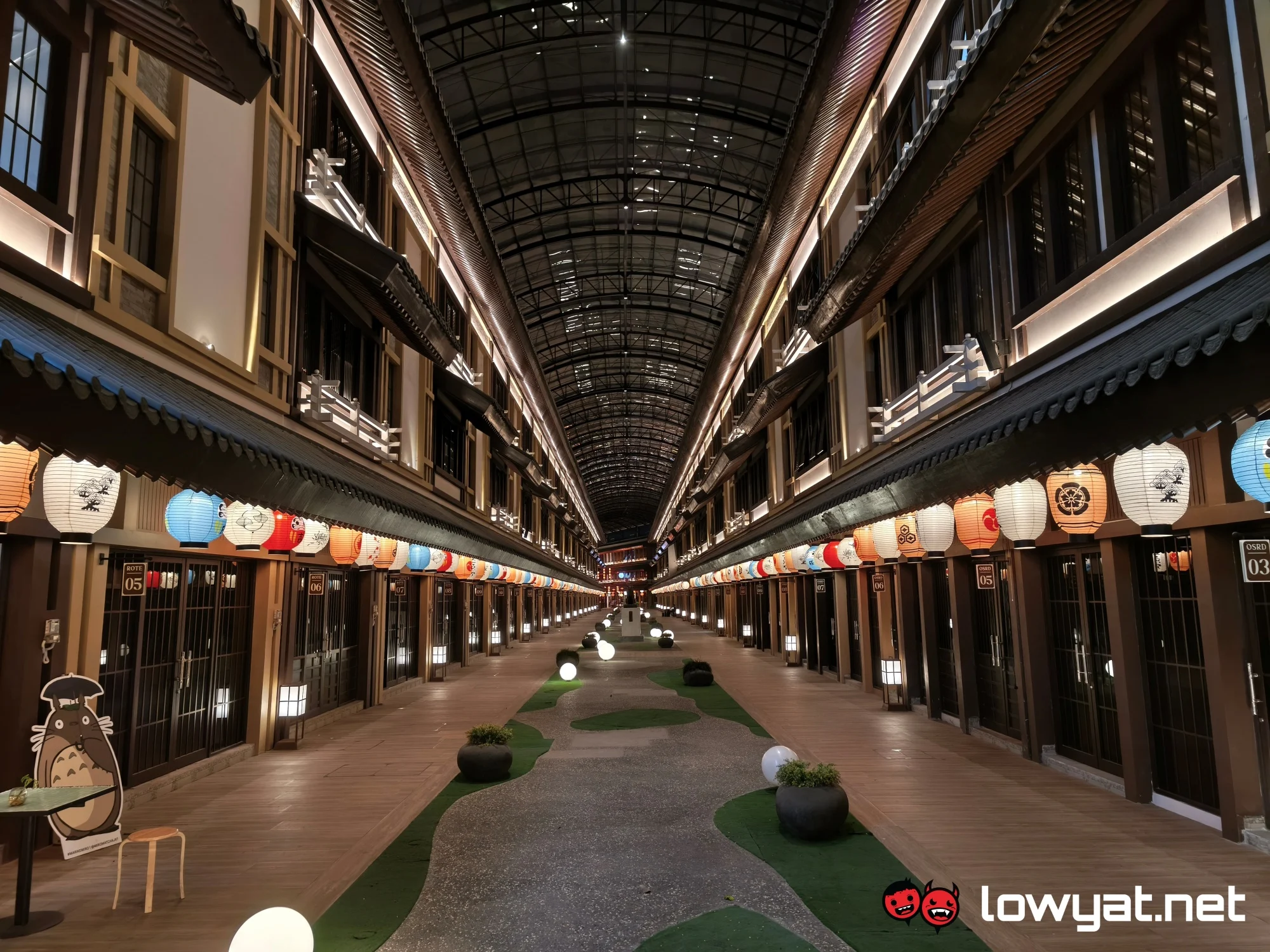
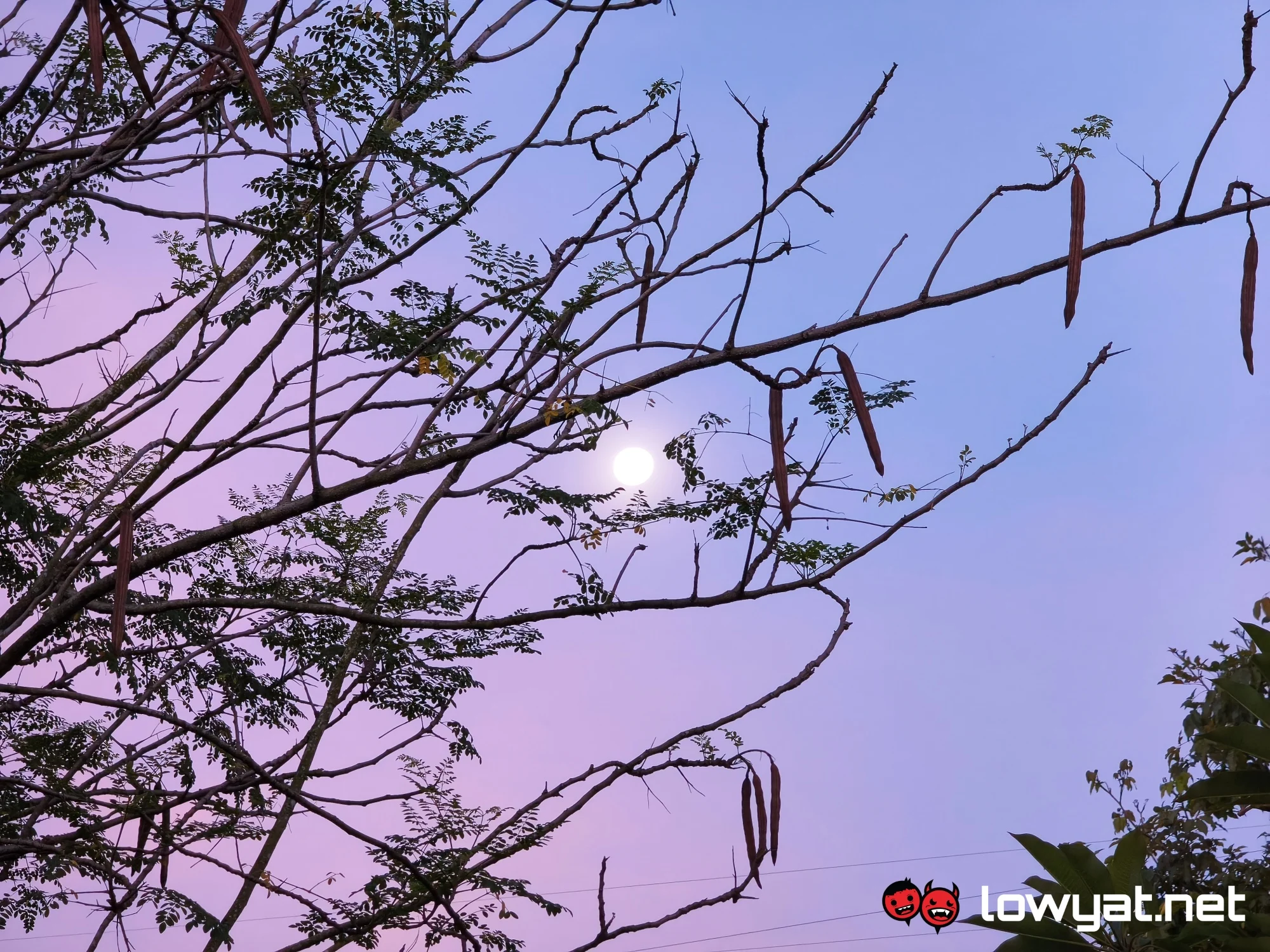
Moving on, we have the Xiaomi 17T’s night photography. I have to say, I was pretty impressed with it, although it falls just short of perfection. In my experience, the sensor managed to capture plenty of detail while producing rich-looking photos with hardly any visible grain. Unfortunately, there were a few instances where certain light sources appeared slightly blown out, which ended up ruining some of my shots. The issue becomes even more apparent when zooming in on a particular subject.



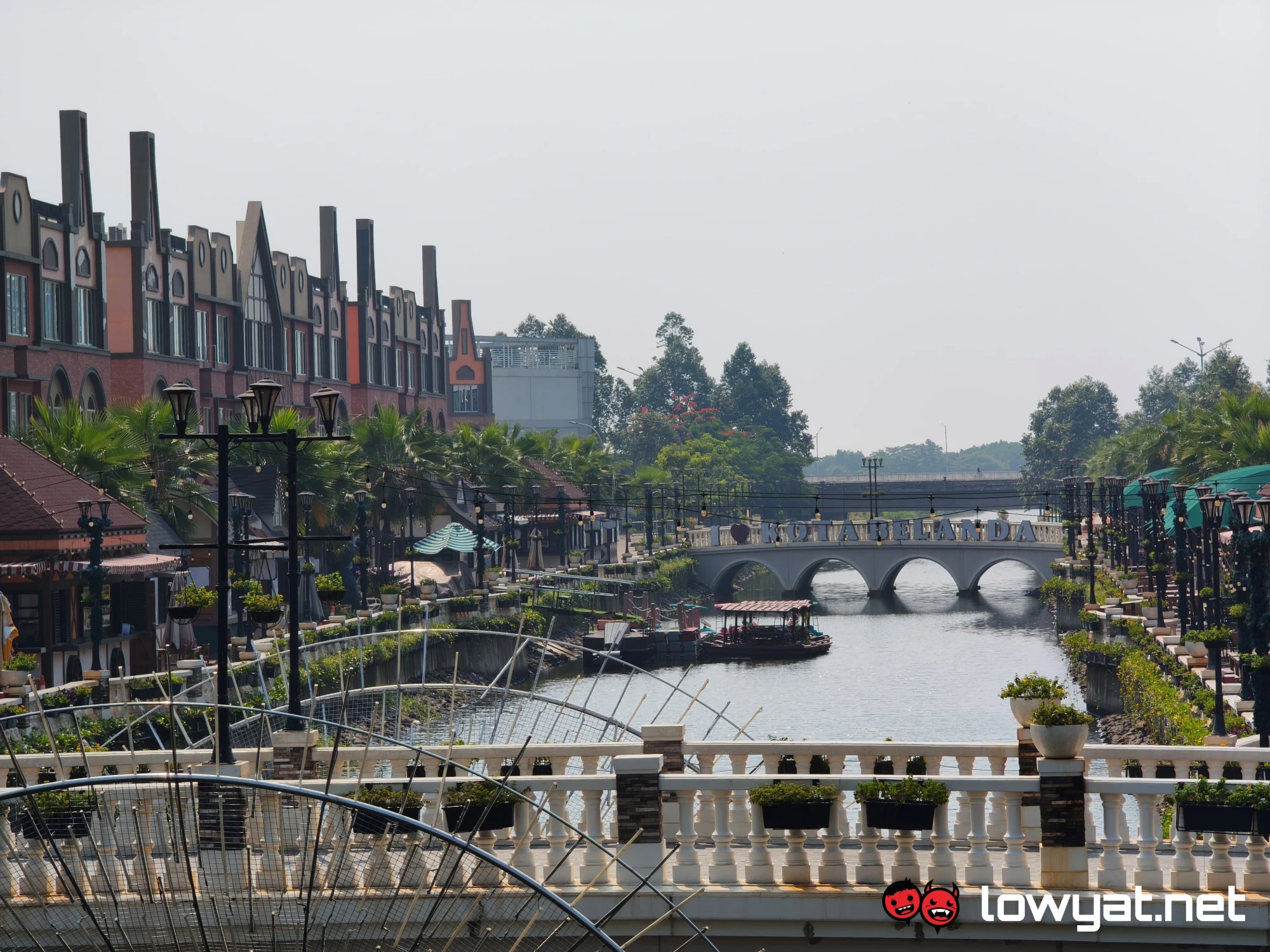
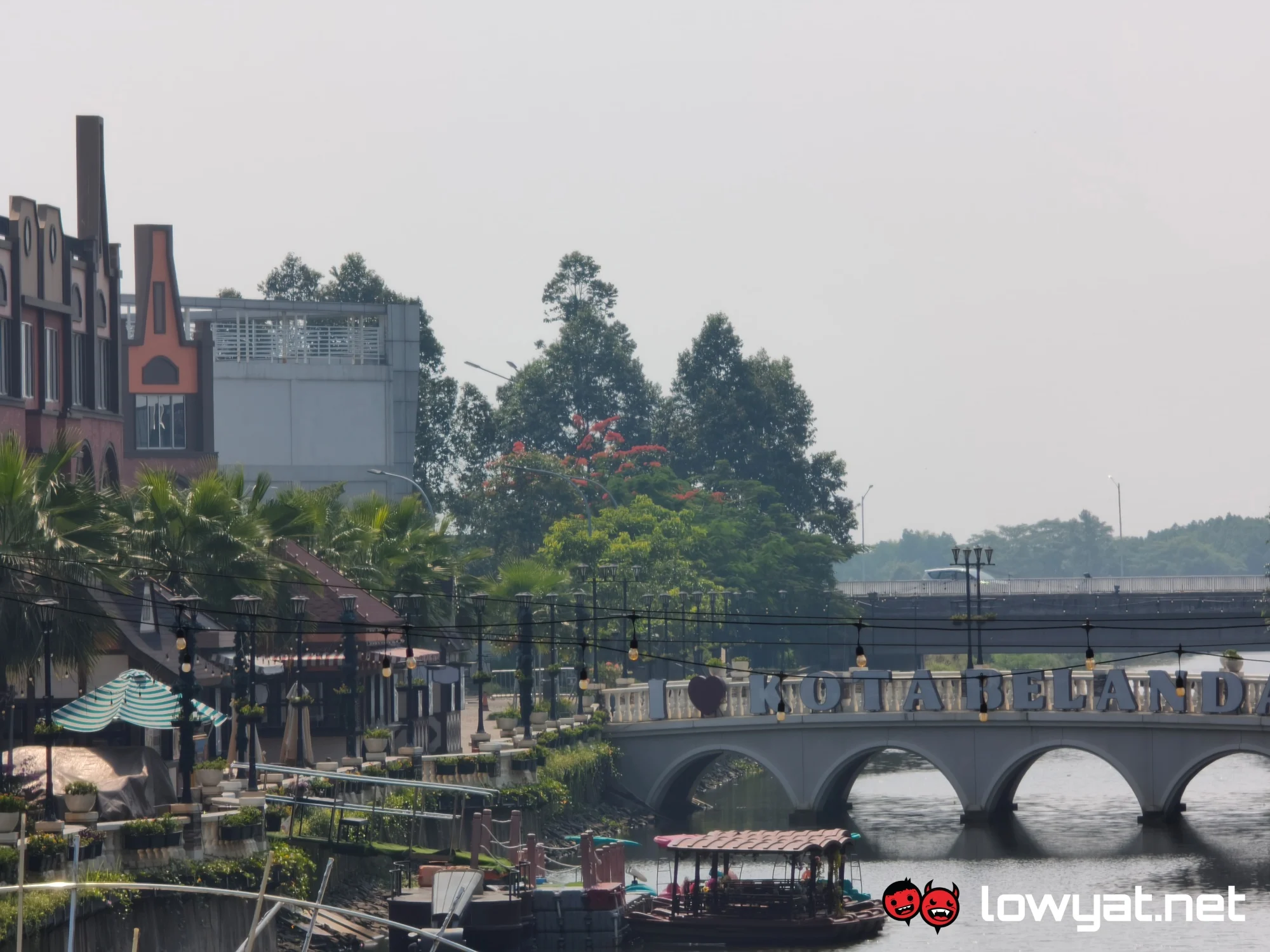
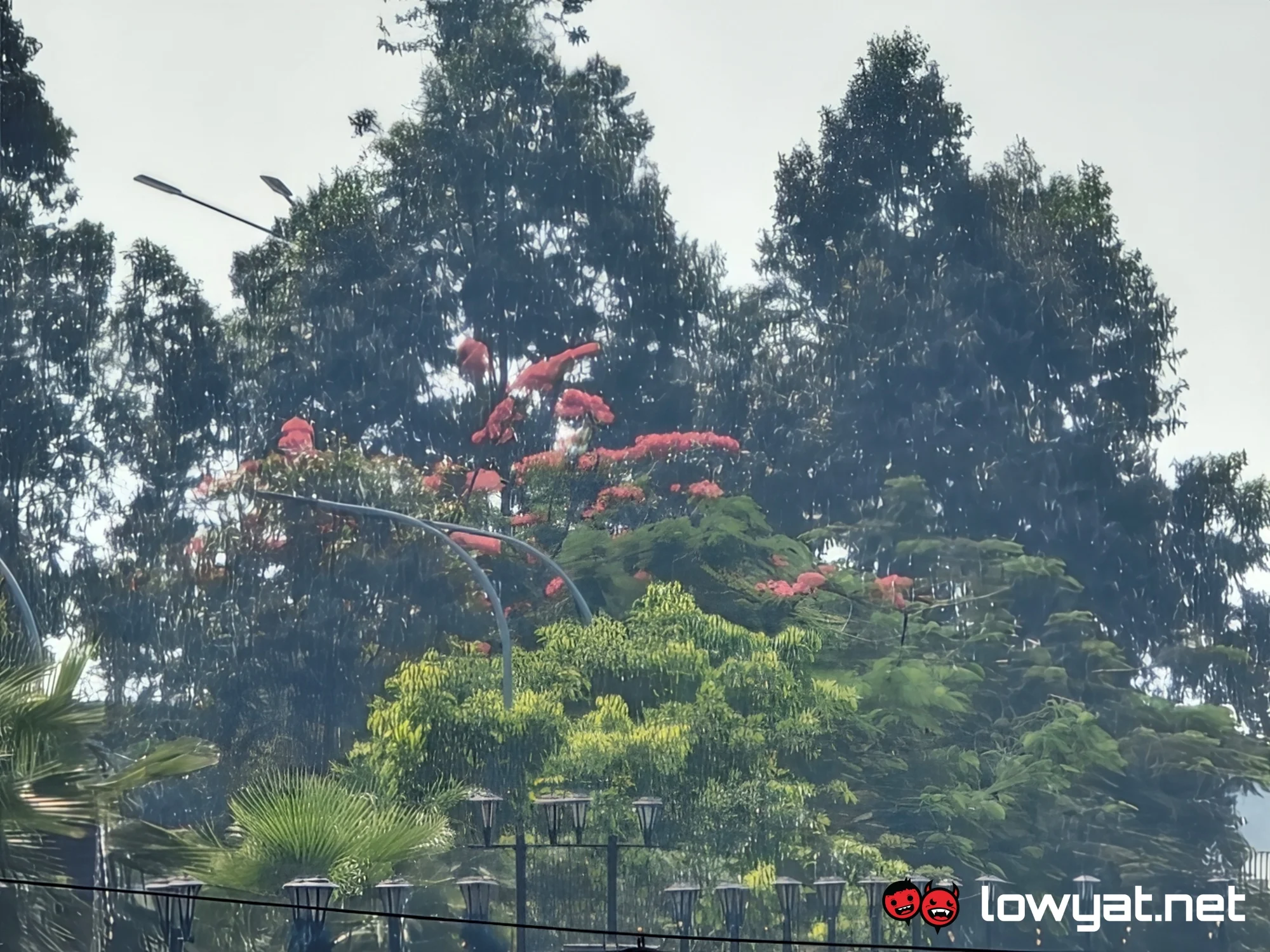
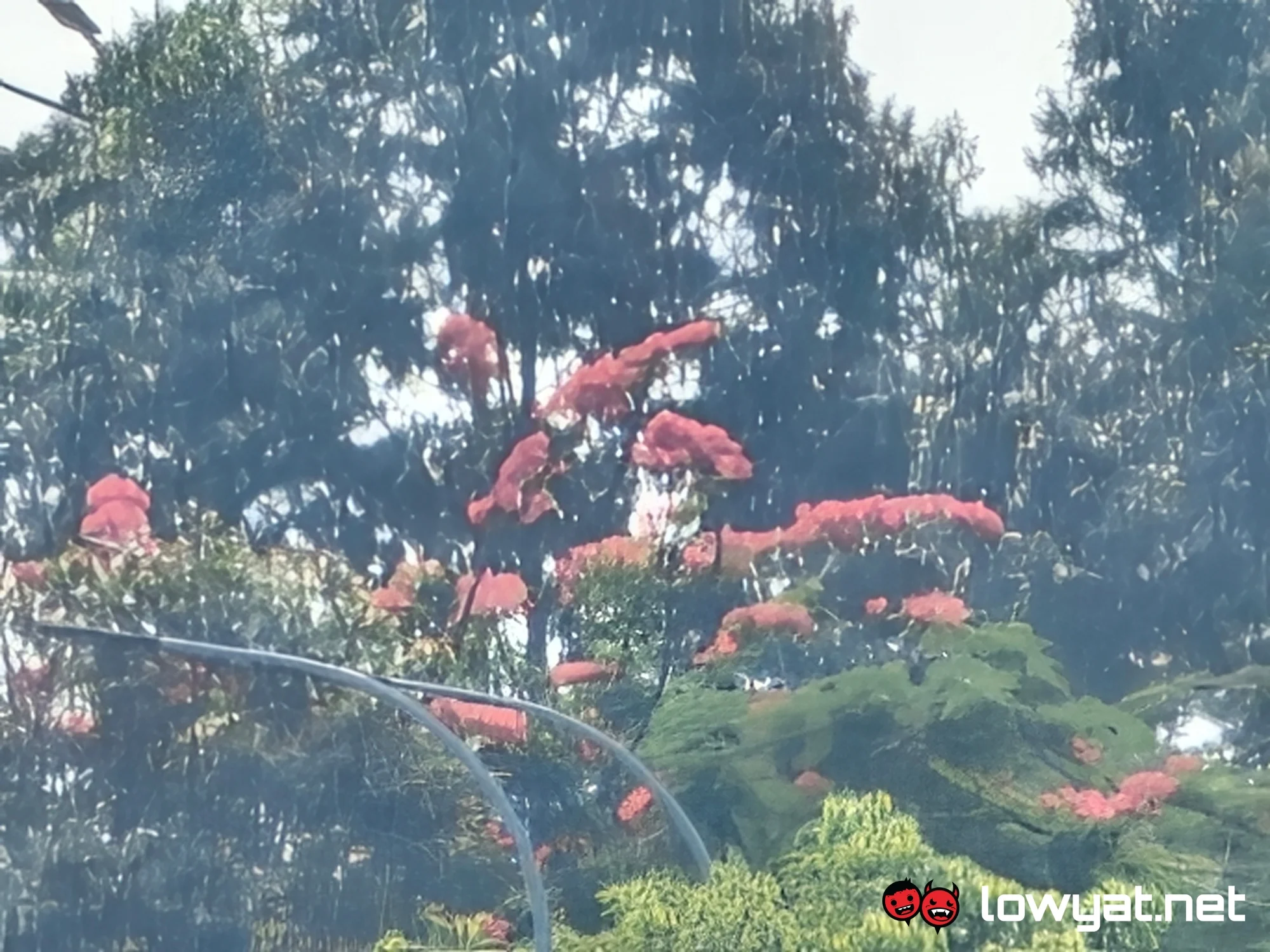

Speaking of zoom, the phone offers a respectable 5x optical zoom, with subjects remaining crystal clear at that range. At 10x, the phone combines both optical and digital zoom, with image quality still holding up reasonably well. Things start to fall apart at 30x, however, as the phone relies entirely on digital zoom. The issue becomes even more noticeable at 60x and 120x. While the AI does its best to sharpen and reconstruct the image, there’s only so much it can do.
Competition
POCO X8 Pro
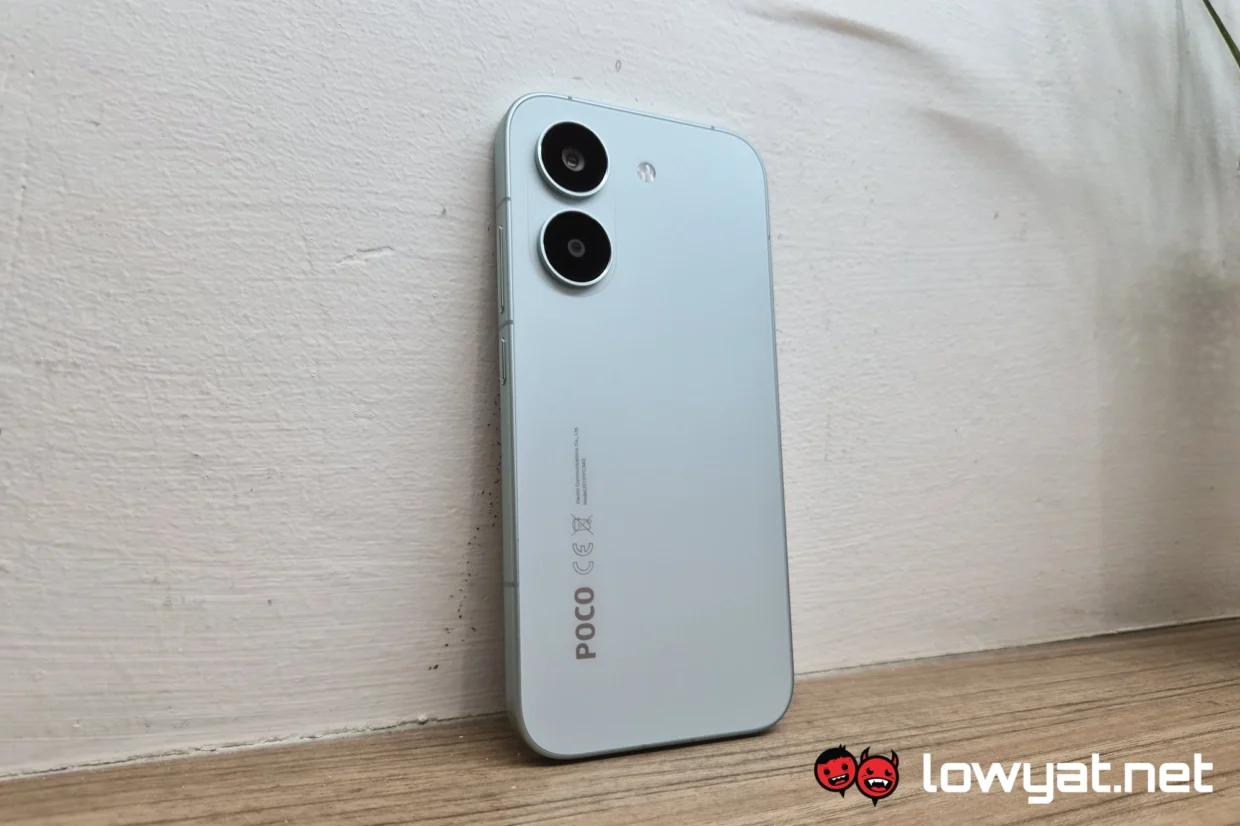
As mentioned earlier, the POCO X8 Pro shares the chipset with the Xiaomi 17T, making the two devices on par with each other. If anything, they are almost completely identical, as the POCO device comes with a 6.59-inch 1,268 x 2,756 AMOLED screen, a Mediatek Dimensity 8500 Ultra chipset, and a 6,500mAh battery.
However, the Xiaomi 17T edges out, as it has a better camera and more RAM (12GB to the POCO’s 8GB). That said, the POCO does start at a cheaper price point at RM1,499.
Conclusion
The Xiaomi 17T is certainly an impressive device for its price. While the camera system is undoubtedly the star of the show, its solid performance and slim form factor also make it a great all-rounder.
However, it’s not perfect. If you do decide to pick it up as your daily driver, you’ll have to contend with the battery draining fairly quickly even under regular use. And that’s not to mention how hot the phone can get while gaming or even as a hotspot device.
The post Xiaomi 17T Review: Balanced In Gaming And Photography appeared first on Lowyat.NET.
