

The Apple Watch Series 11 made its debut alongside the Watch SE 3 and Watch Ultra 3 back in September. Like last year’s iteration, you get your choice of two sizes, which are 42mm and the bigger 46mm.
It’s the latter model that has made its way to my hands, so this review is based on that. I must admit that size is one of the things to admire about this watch, though there are other appealing aspects beyond that.
What Am I Looking At?
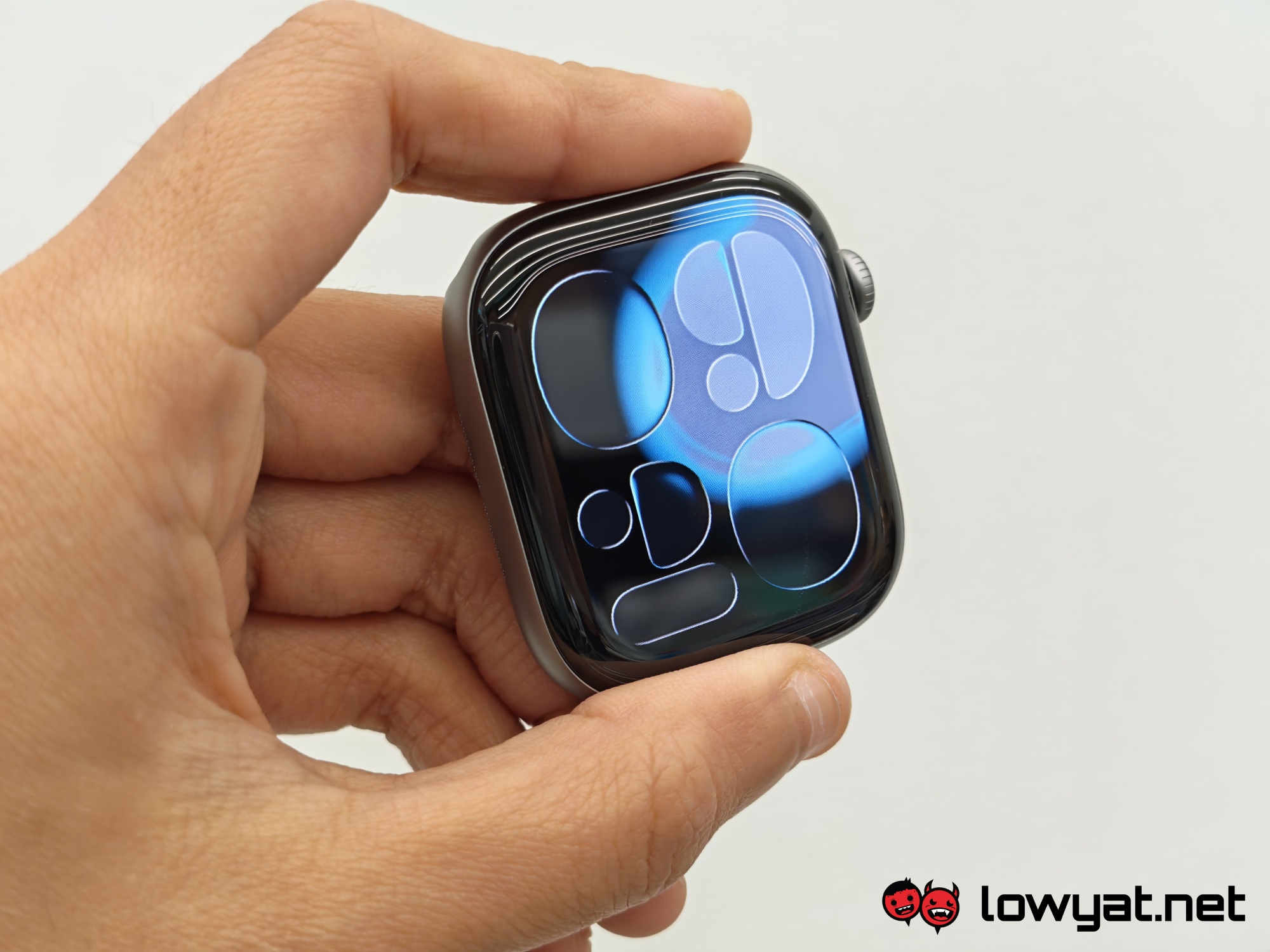 The Apple Watch Series 11 largely retains the look (and specifications) of the Watch Series 10, although it does come with a few tweaks and enhancements. For starters, the company has improved on the device’s durability. The titanium variant gets a sapphire glass display. In the case of the aluminium versions, like this Space Grey model, Apple is using Ion-X glass with supposedly double the scratch resistance.
As for its internals, it has the same S10 chip as its predecessor. Again, the bitten fruit brand did not introduce any significant changes with this year’s model. Arguably the most significant upgrade is the battery life. The company asserts that the device can offer up to 24 hours of use, up from the claimed 18 hours of the Series 10.
The watch runs watchOS 26, which comes with the same Liquid Glass aesthetics as the new iPhones. Beyond that, you get some new features including a wrist flick gesture and sleep score. Naturally, the watch packs the usual array of health and fitness trackers too, including heart rate, blood oxygen, and ECG.
What’s Good About It?
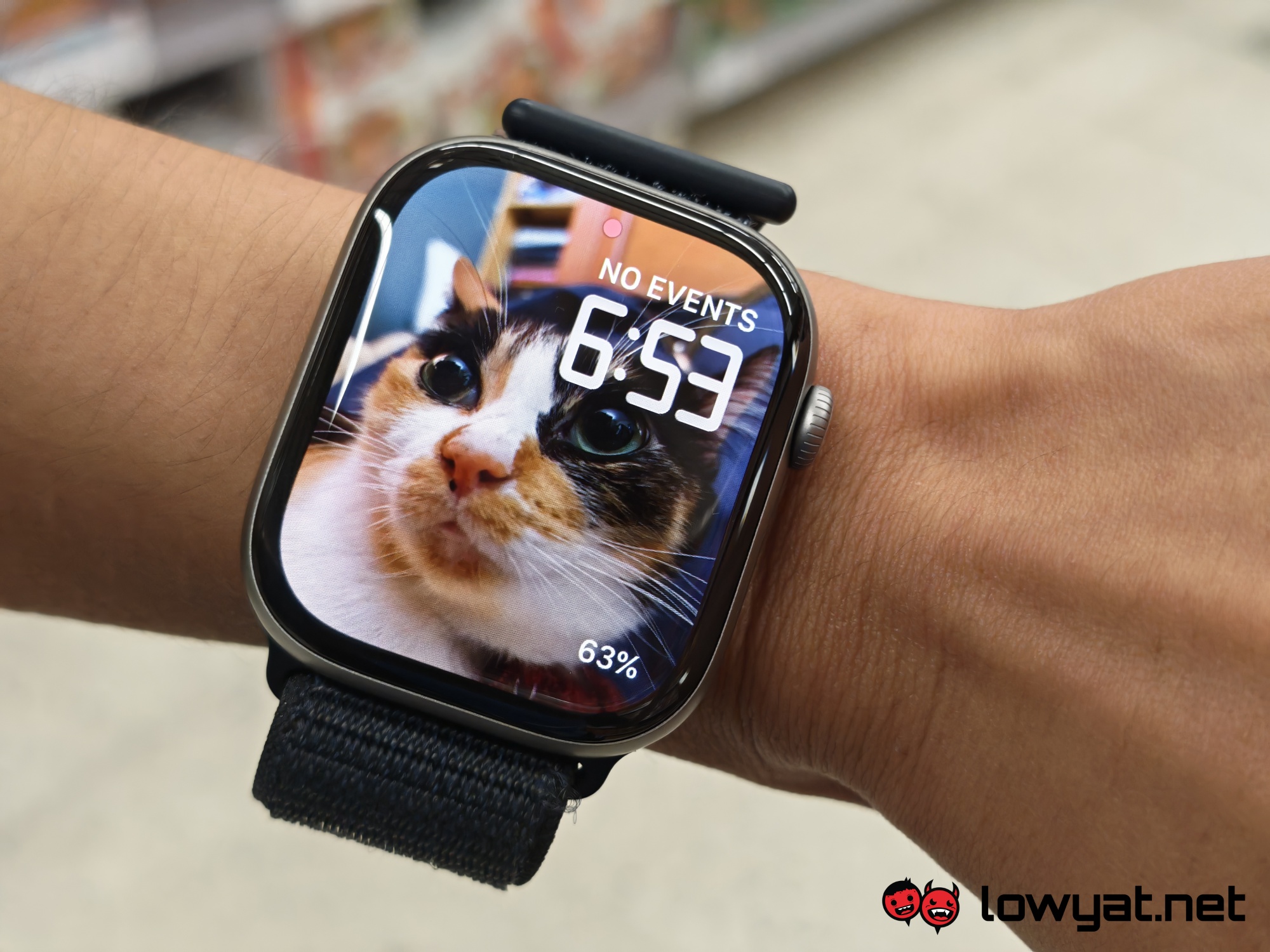 To start off, there is a lot to like about the design. Despite its size, the watch looks slim and sleek. It’s also pretty light, so it sits quite comfortably on your wrist. It almost feels like it’s not really there, which admittedly has led to some unintentional bumps and scrapes as I went about my day. So far, though, the watch has survived such mishaps largely unscathed, so it’s safe to say that it’s durable enough for day-to-day activities.
Aside from that, the big and bright display is something to appreciate. Sure, it may look comically huge (especially if you have scrawny wrists), but there’s plenty of real estate for swiping and scrolling. Of course, typing is still far from an optimal experience – it’s still a smartwatch at the end of the day. But the real appeal is being able to look at what’s on the screen without straining your eyes. Text is clear and legible even with the smallest font size, and you can enjoy browsing the collection of cat pictures you’ve accumulated.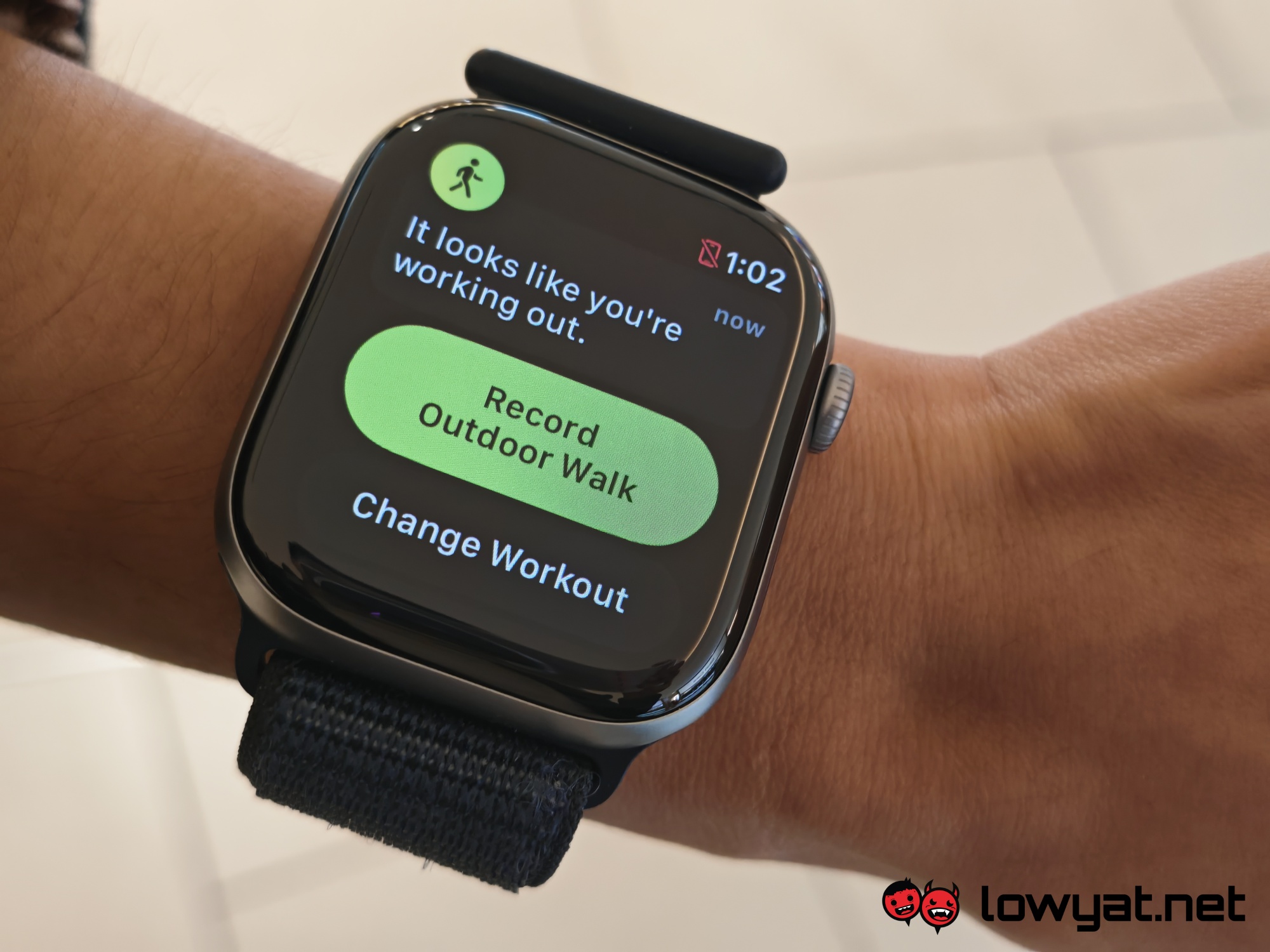
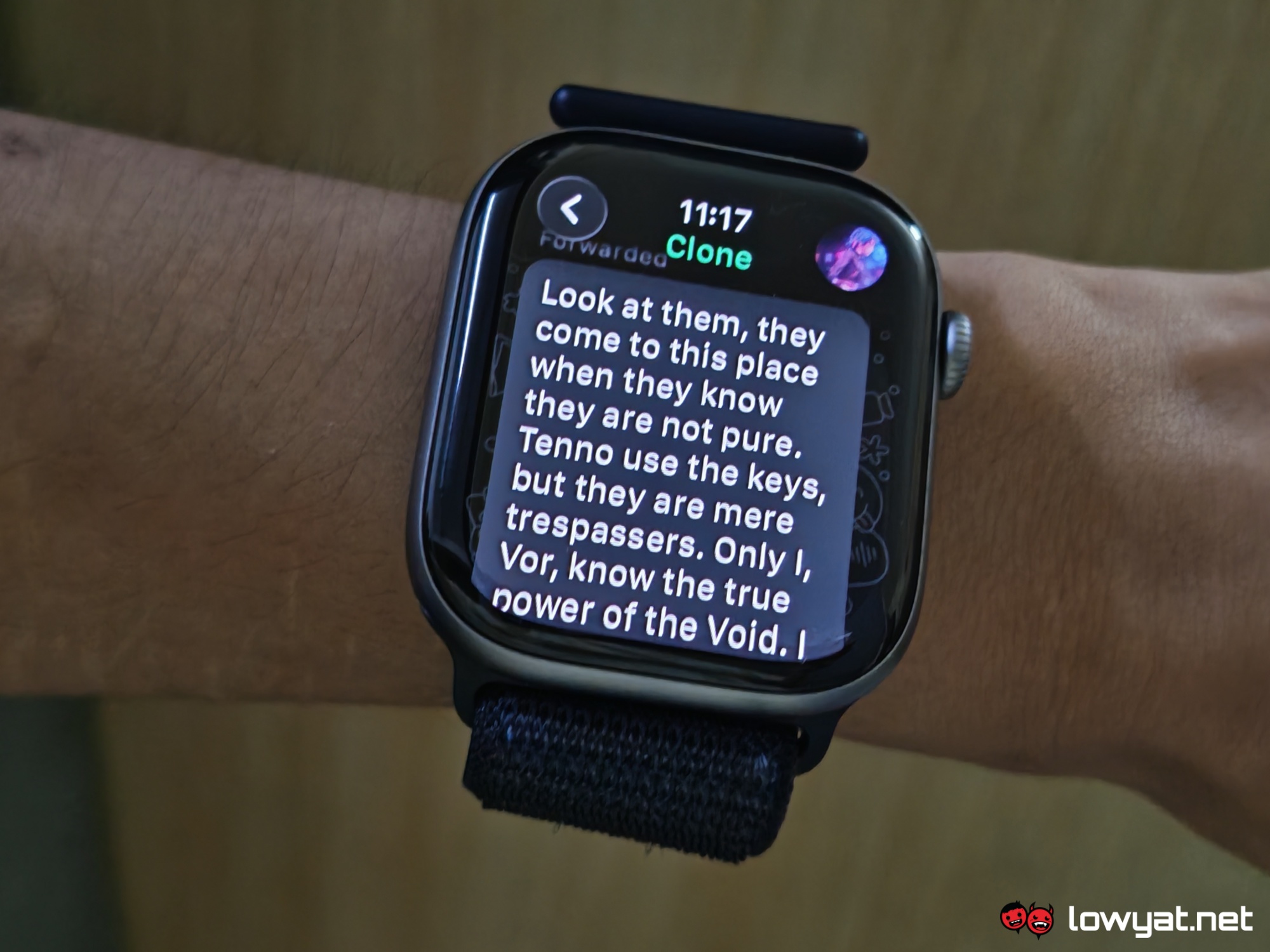
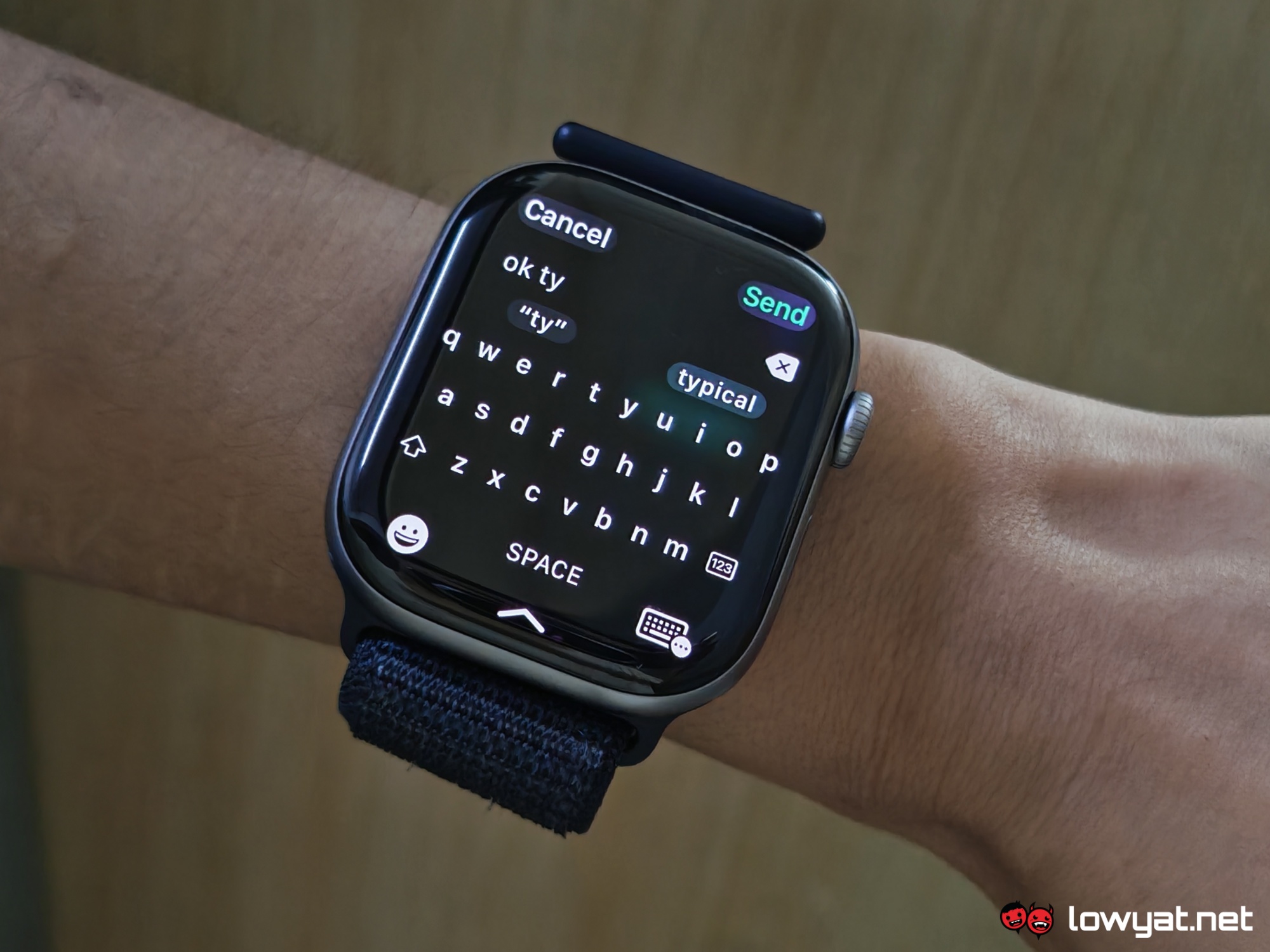
As mentioned earlier, the wearable comes with watchOS 26. Much as I dislike Liquid Glass, I do think the transparent visuals work a lot better here. The glassy effects are more subtle and less dramatic, which makes the interface less overwhelming to look at. Aesthetics aside, the wrist flick gesture is a welcome addition. You can quickly dismiss notifications with a simple movement, and it’s pretty convenient in situations where you only have one hand free.
Additionally, the automatic workout detection is a handy feature to have. I’m not a particularly active person, and the most exercise I get is in the form of walks. Since I tend to forget to keep track of my activities, it’s nice to have a reminder. Worth noting that the watch does take some time to register that you’re working out, and only pings you after you’ve been moving for quite a while. However, it does log some of your activity in the meantime. It also detects when your workout session is over.
What’s The Catch?
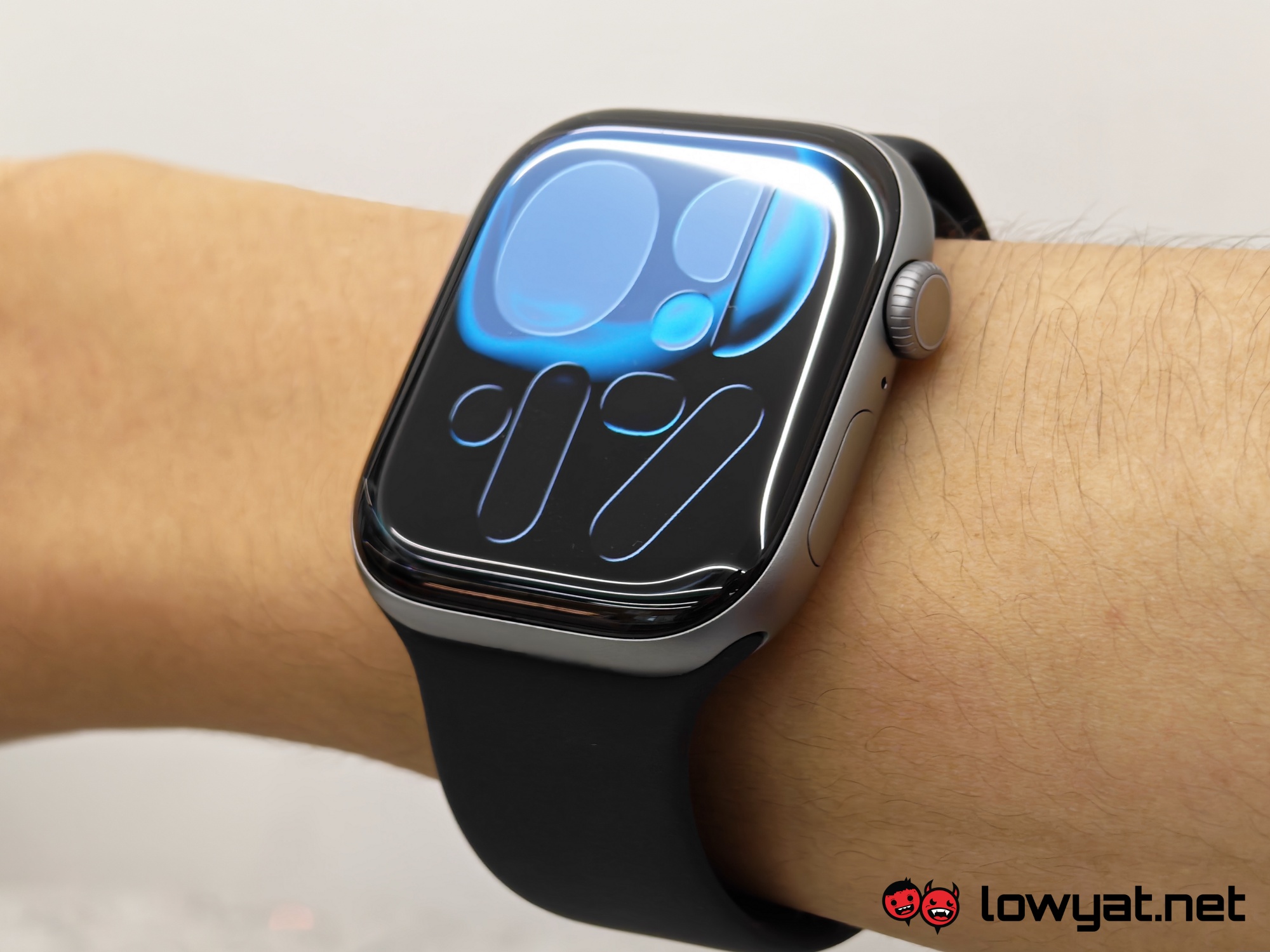
Poor battery life in smartwatches is to be expected, especially when the devices pack so many features. The Apple Watch Series 11 is no different in this regard. While the watch does last a touch longer than advertised, battery life is still laughable, if you can find the humour in having to reach for the charger every so often. At best, the watch can hang on for about a day and a half. That is, with regular use. Putting it in low power mode will keep it alive longer, but you won’t have access to most of the watch’s functions, which arguably is why you’re paying a minimum of RM1,799 to get it in the first place.
The new sleep score feature is also pretty unrefined, especially when compared to what other smartwatches are offering. Essentially, it classifies each sleep session as either Excellent (or Very High as of watchOS 26.2), High, OK, Low, or Very Low. This rating is based on a 100-point score, with the points distributed across three criteria: Duration, Bedtime, and Interruptions. It’s a simple, cut-and-dry scoring system that doesn’t really leave much room for nuance. The watch makes no distinction between getting enough rest and sleeping too much, which means you’ll only get a low score if you stay up past your bedtime.
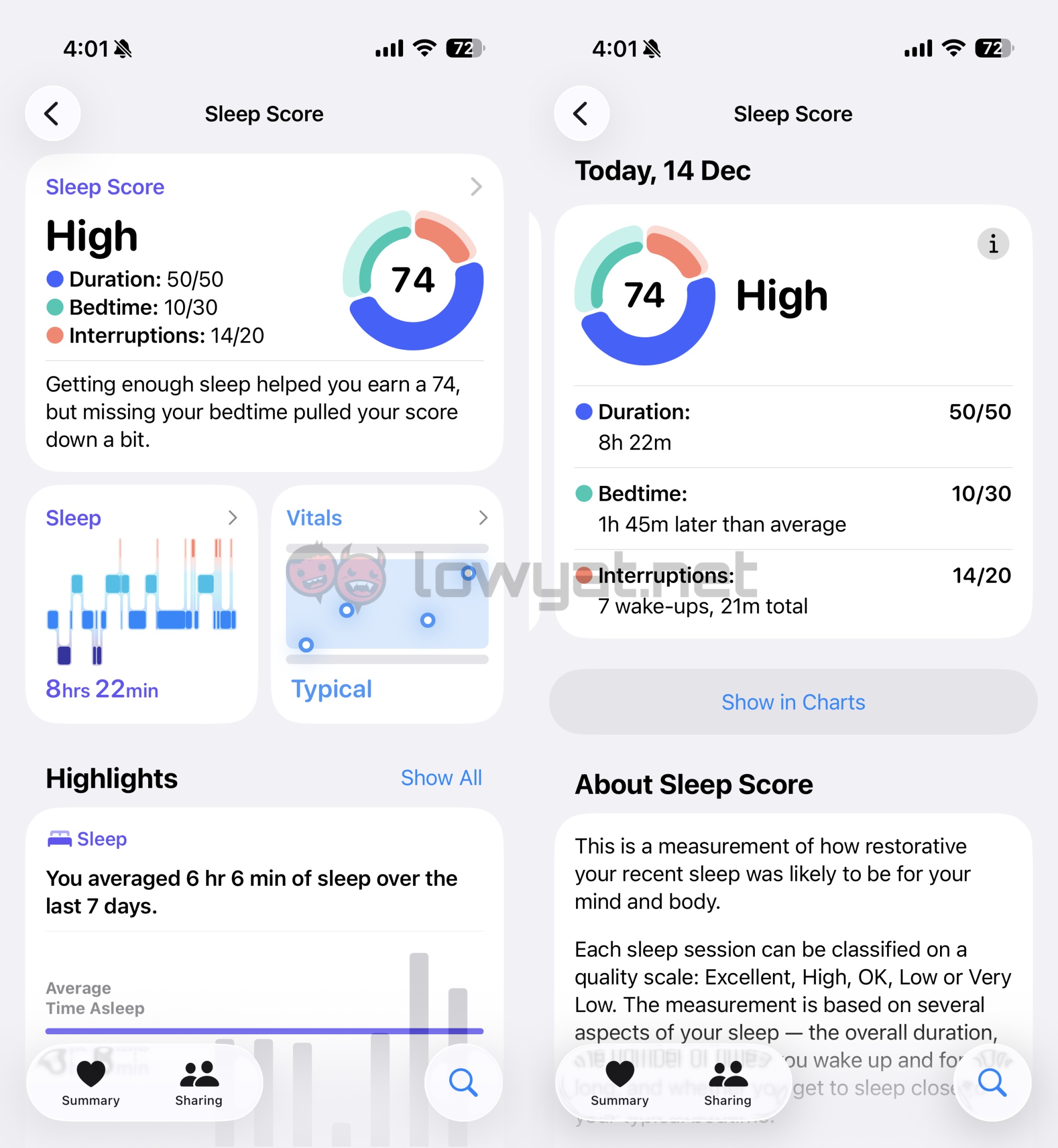 What’s more, Apple seems to have a very optimistic outlook when it comes to what counts as quality sleep. It’s pretty easy to consistently get a good rating, unless your habits are absolutely abysmal to begin with. So, in most cases, the watch gives you a false sense of security, especially if you’re the type to oversleep. That said, you still have access to more detailed sleep data. It’s just not taken into account for the overall sleep score.
Should I Buy It?
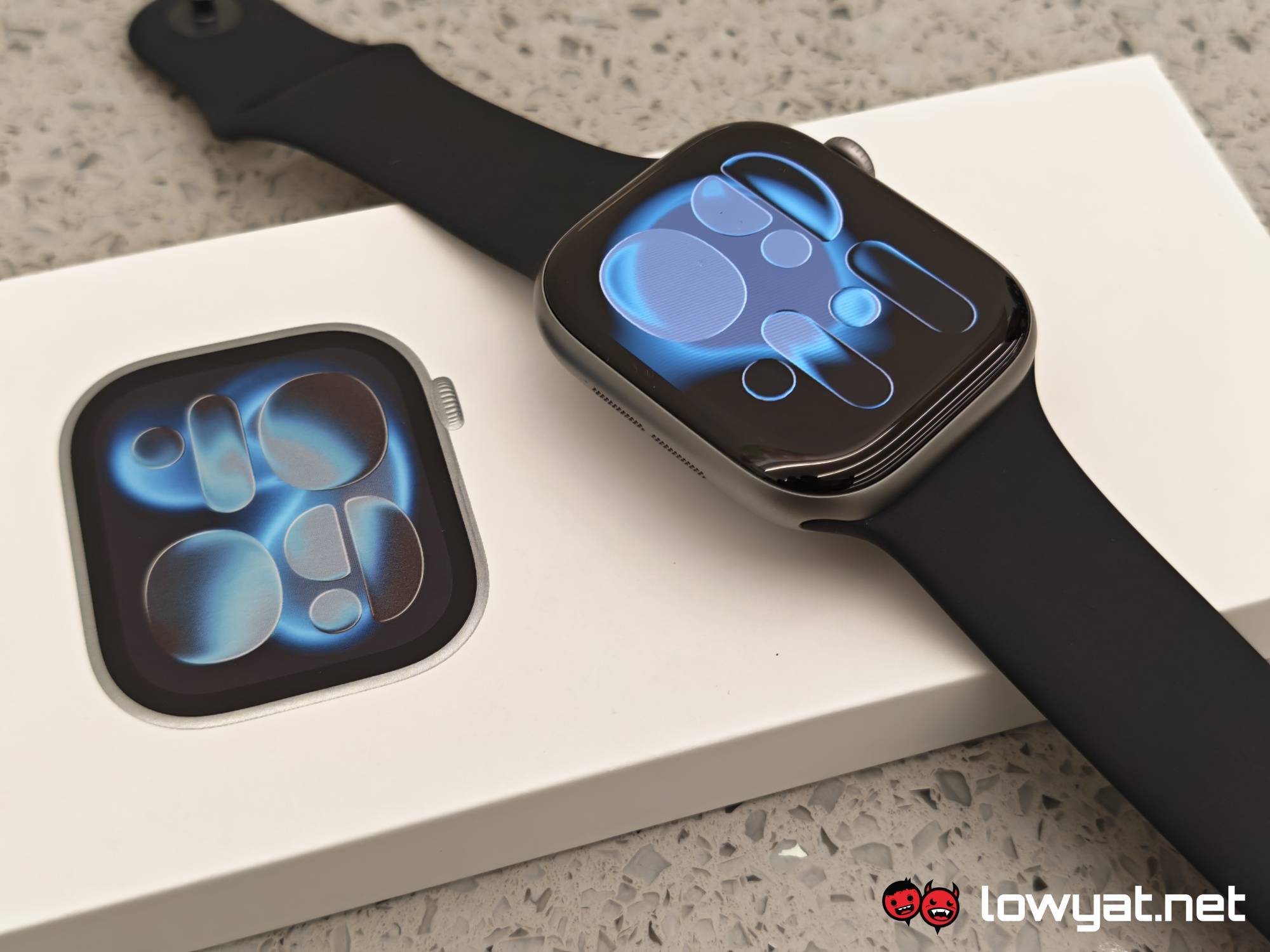 If you already own last year’s version, then you probably have no reason to get this one, unless you absolutely need the improved battery and 5G connectivity. Much of the other upgrades for the Watch Series 11 are in terms of software, which means you’ll get those features anyway as long as your current watch is still supported.
On the other hand, if you’re upgrading from a much older smartwatch or switching from the Android side of things, then you really can’t go wrong with this model. It’s a decent-sized device that can keep up with your daily activities. That is as long as you remember to keep the battery charged.
Photography by Nurul Kamil.
