
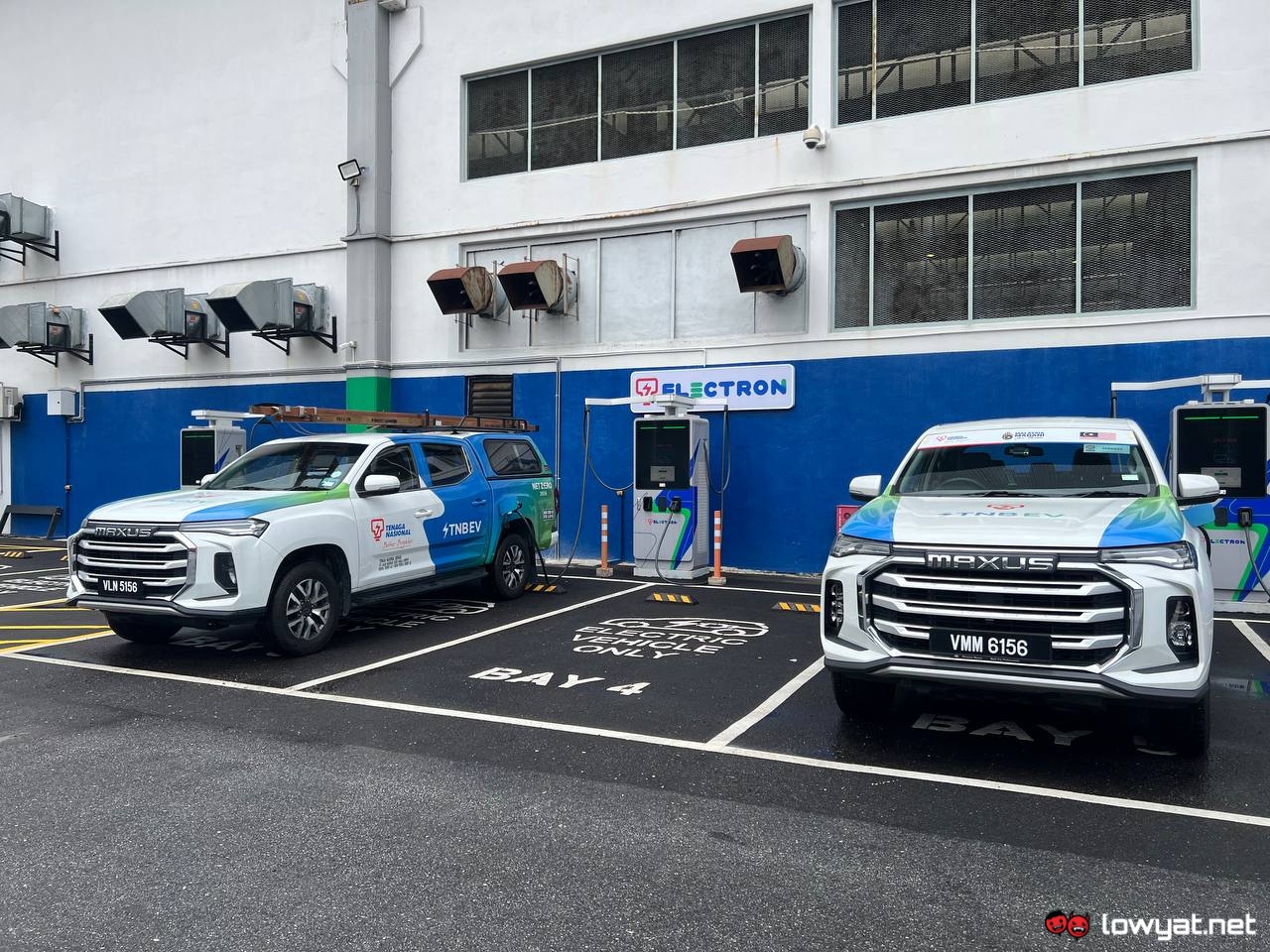
The Energy Commission of Malaysia (Suruhanjaya Tenaga, or ST) held a media briefing yesterday to outline key developments in the country’s electric vehicle (EV) charging infrastructure, with a strong focus on licensing requirements for Electric Vehicle Charging Stations (EVCS).
During the session, ST clarified when an EVCS licence is required, drawing a clear distinction between public and private charging setups. According to the commission, EV chargers that are owned or operated by a third party, such as a charge point operator (CPO) and are accessible to the public, consumers or employees, with or without charging fees, are categorised as public EVCS and must be licensed.
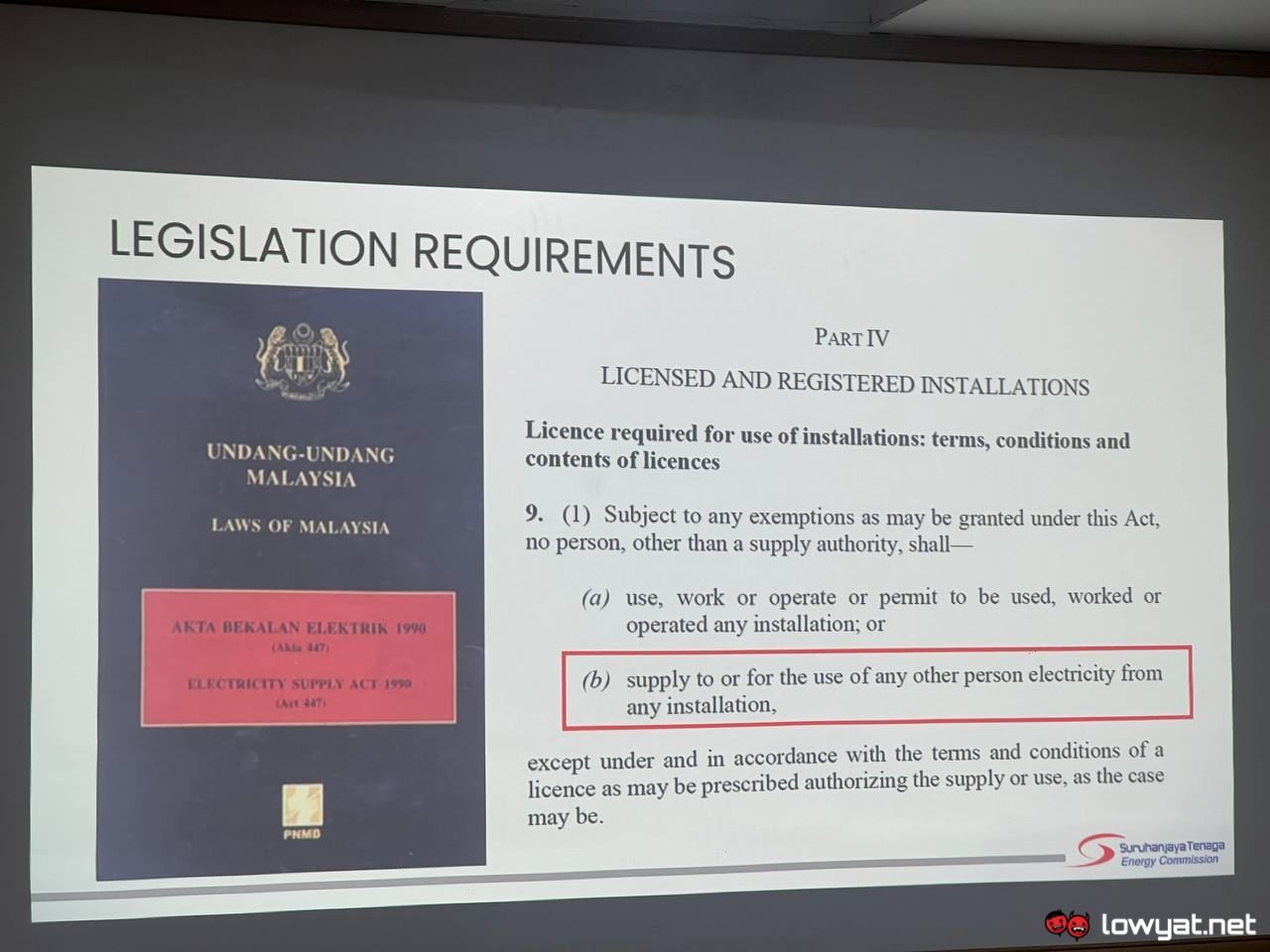
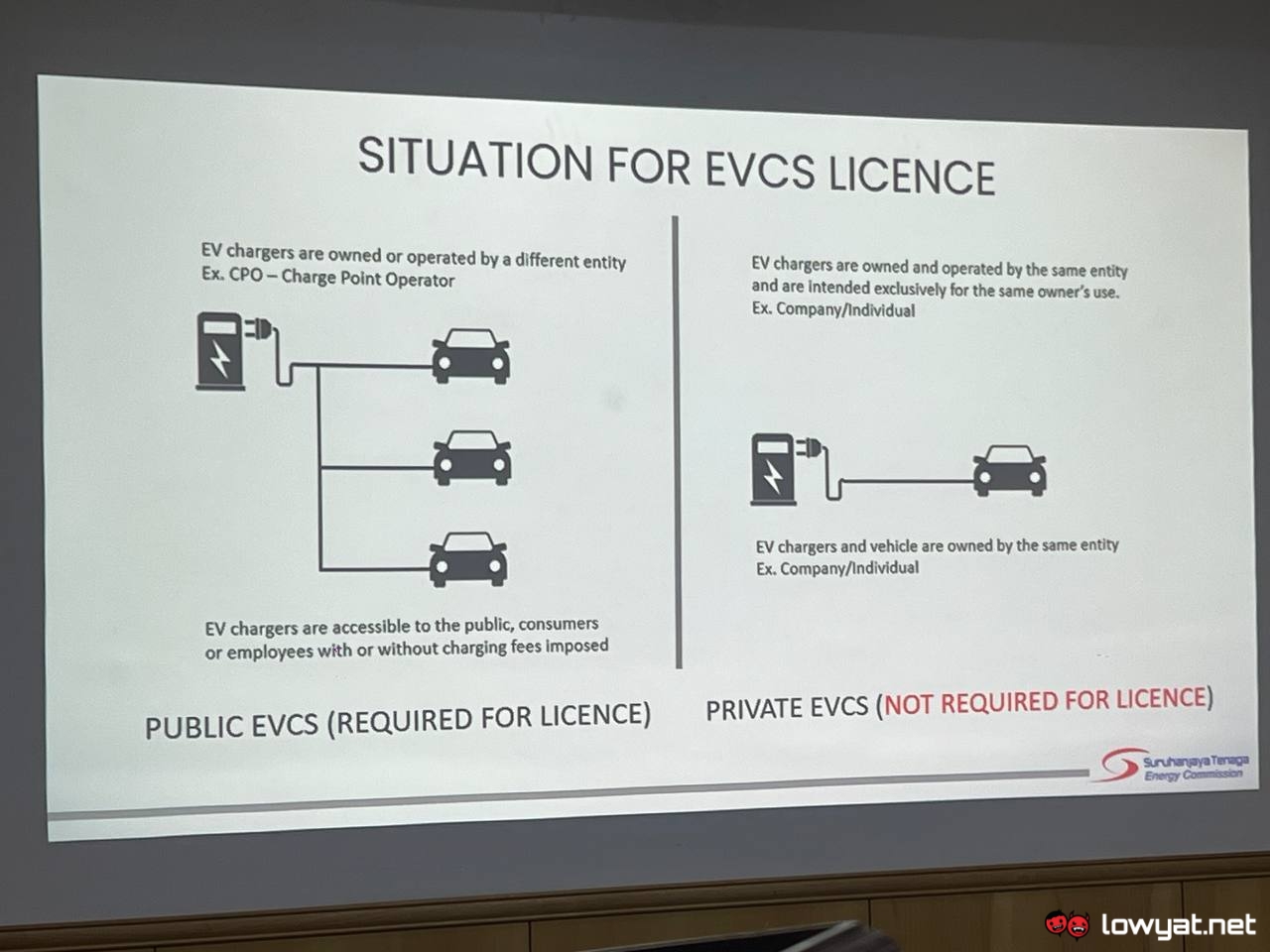
In contrast, private EV charging installations do not require an EVCS licence. These chargers are owned and operated by the same entity, whether an individual or a company, and are intended solely for the owner’s own use. This includes situations where both the charger and the vehicle belong to the same party, such as home chargers or fleet chargers used exclusively by a company for its own vehicles.
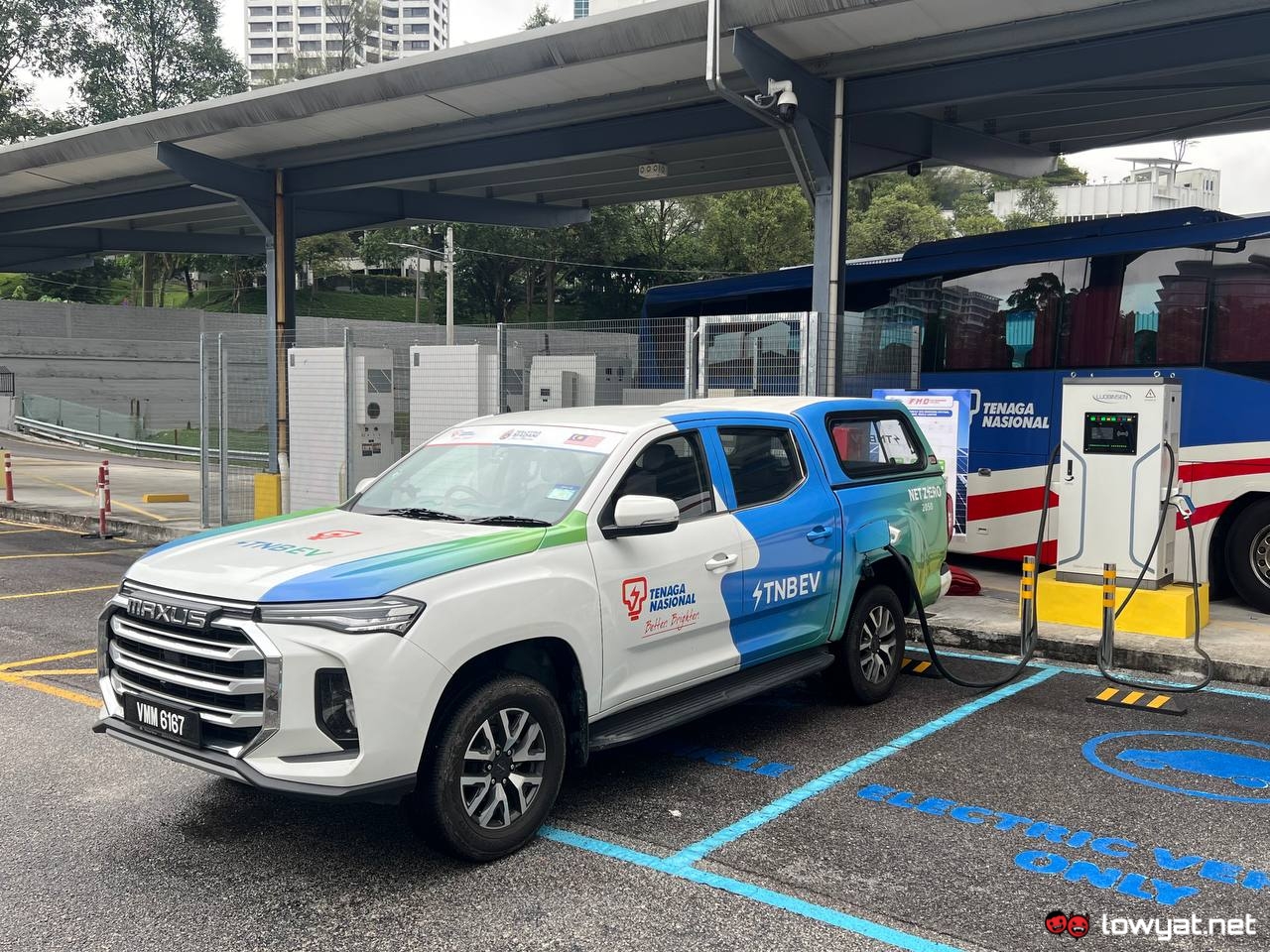
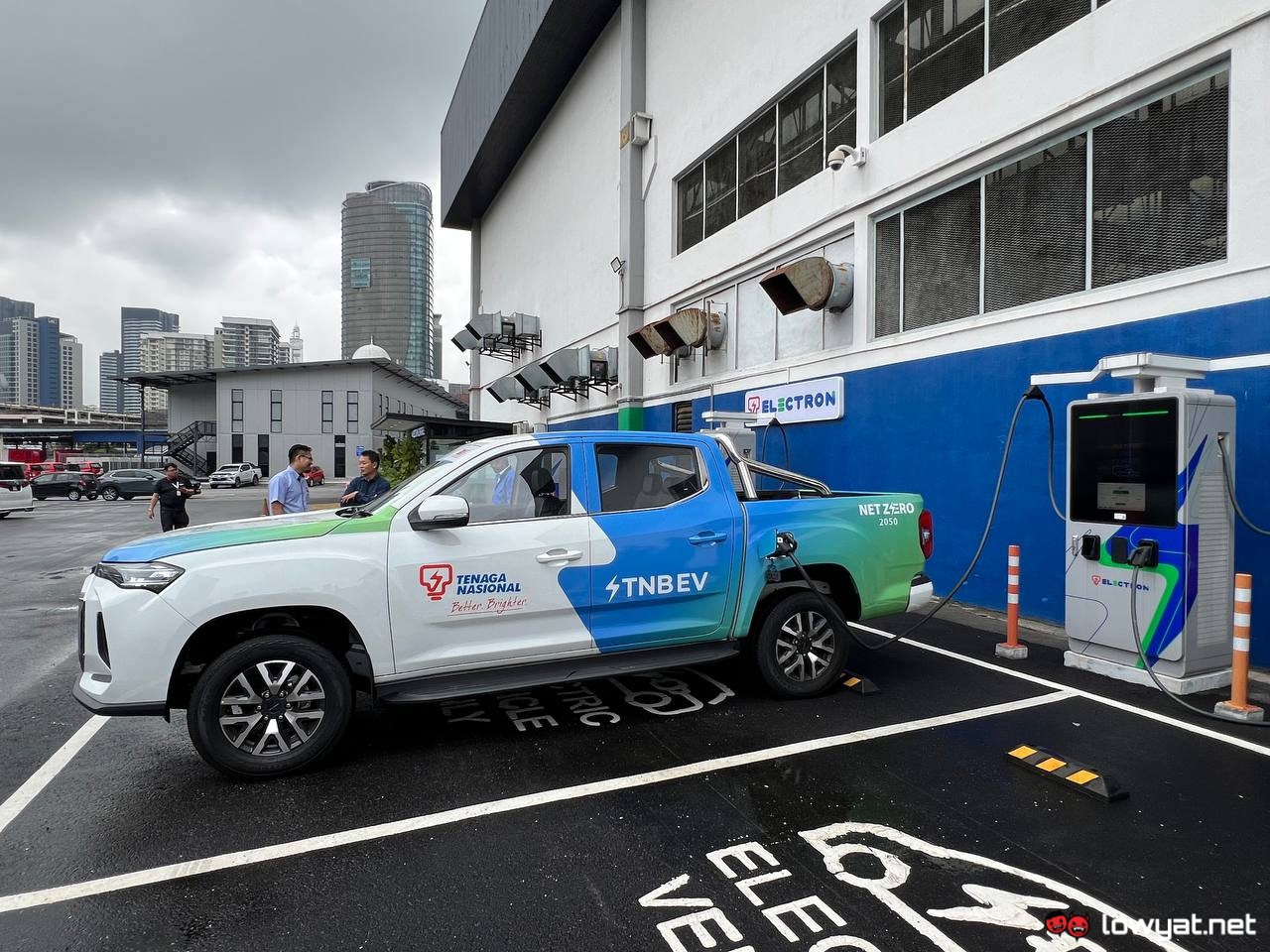
An example is Tenaga Nasional Berhad’s (TNB) solar-powered battery energy storage system (BESS) charging station, which is used only by TNB vehicles and is not open to the public, including its own staff. The facility is equipped with a 60 kW DC charger and a 98.28 kWp solar photovoltaic system, placing it firmly within the private EVCS category.
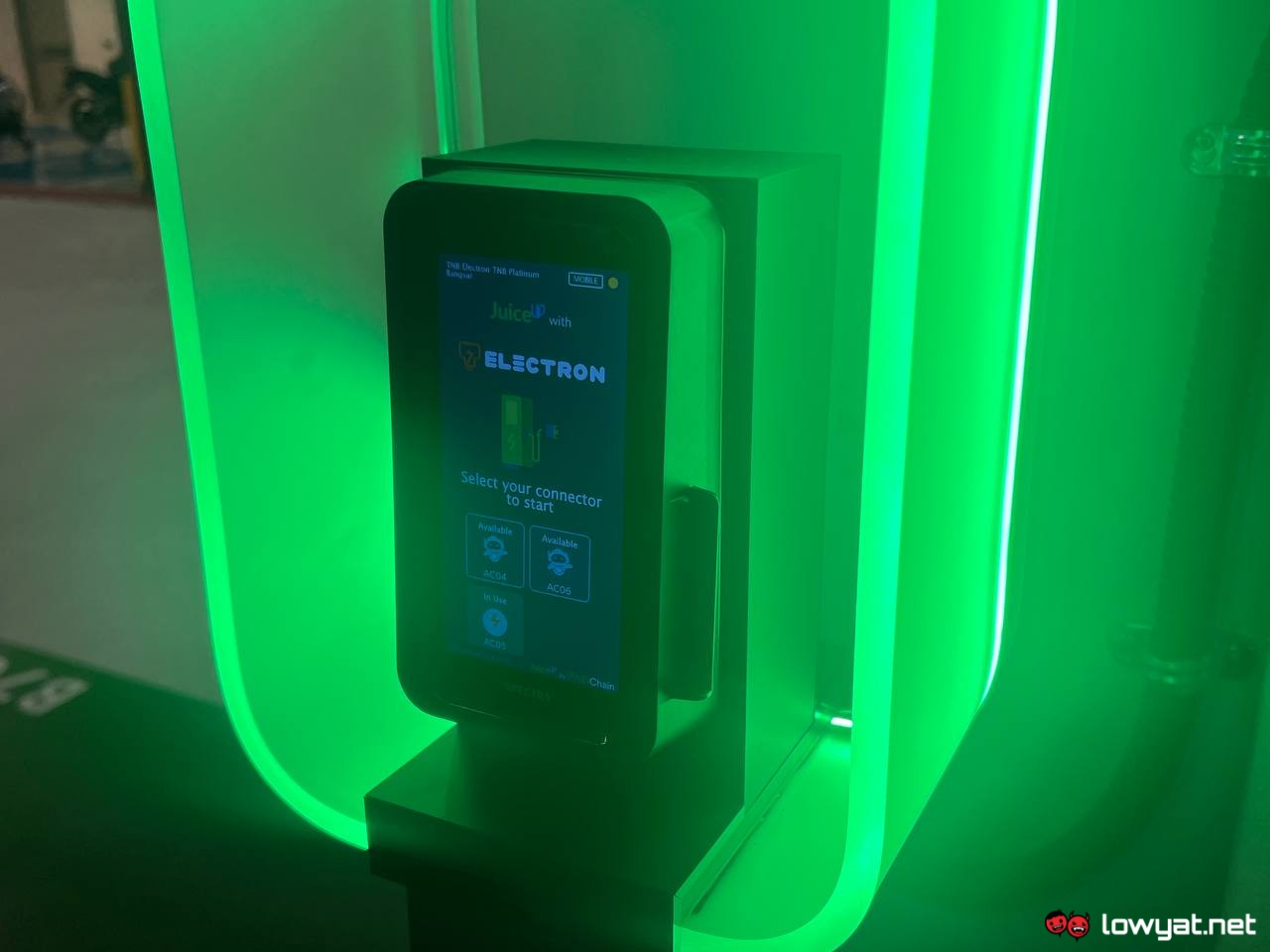
Separately, TNB’s charge point operator arm, Electron, announced plans to open its DC fast chargers at TNB’s Bangsar headquarters to the public. The site currently features three 60 kW DC chargers used by TNB’s internal fleet entering from Jalan Bangsar. Once opened, these will complement several AC chargers already available to paying customers at the building’s underground car park.
Public Chargers And Licence Determination
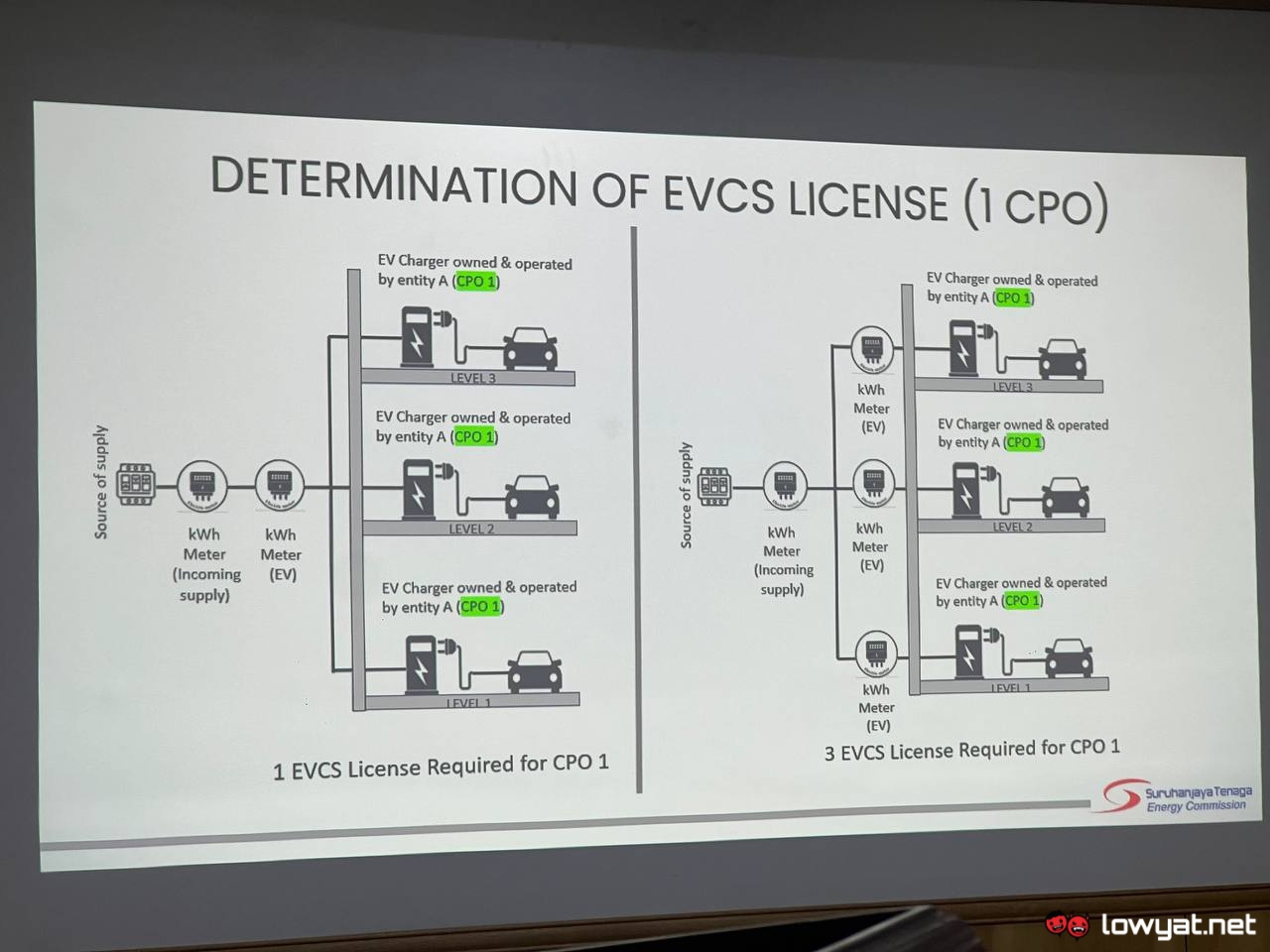
ST also explained how licensing requirements are determined for public EVCS operated by a single CPO. Where multiple chargers are connected under a single EV electricity meter, only one EVCS licence is required, as the system is treated as a single installation, even if they span different charging levels such as Level 1, Level 2 and DC fast charging.
However, if each charger or charging level is connected to a separate EV meter, each unit is considered a standalone EVCS. In such cases, a separate licence is required for each charger, meaning a CPO operating three independently metered chargers would need three EVCS licences.
To help users identify licensed charging stations, ST advised the public to look for an official sticker affixed to the front of the charging terminal. The sticker features ST’s logo and a QR code, which can be scanned to verify the authenticity and licensing status of the charger.
DC Chargers Outpace AC As Rollout Continues
Alongside explaining EV Charging Licence Rules, the Energy Commision (ST) reiterated the government’s target of installing 10,000 EV chargers nationwide by the end of the year, as set out in the Low Carbon Mobility Blueprint (LCMB) 2021–2030. As of November, however, there are 5,360 licensed public hargers in Malaysia, comprising 3,569 AC chargers and 1,791 DC fast chargers.
Data shared by ST indicates that the expansion of the DC fast charger network is progressing faster than expected when compared with AC chargers. According to ST’s Deputy Director of Electricity Licensing, Mohd Yusrul bin Yusof, the slower growth in AC chargers is largely due to lower demand.
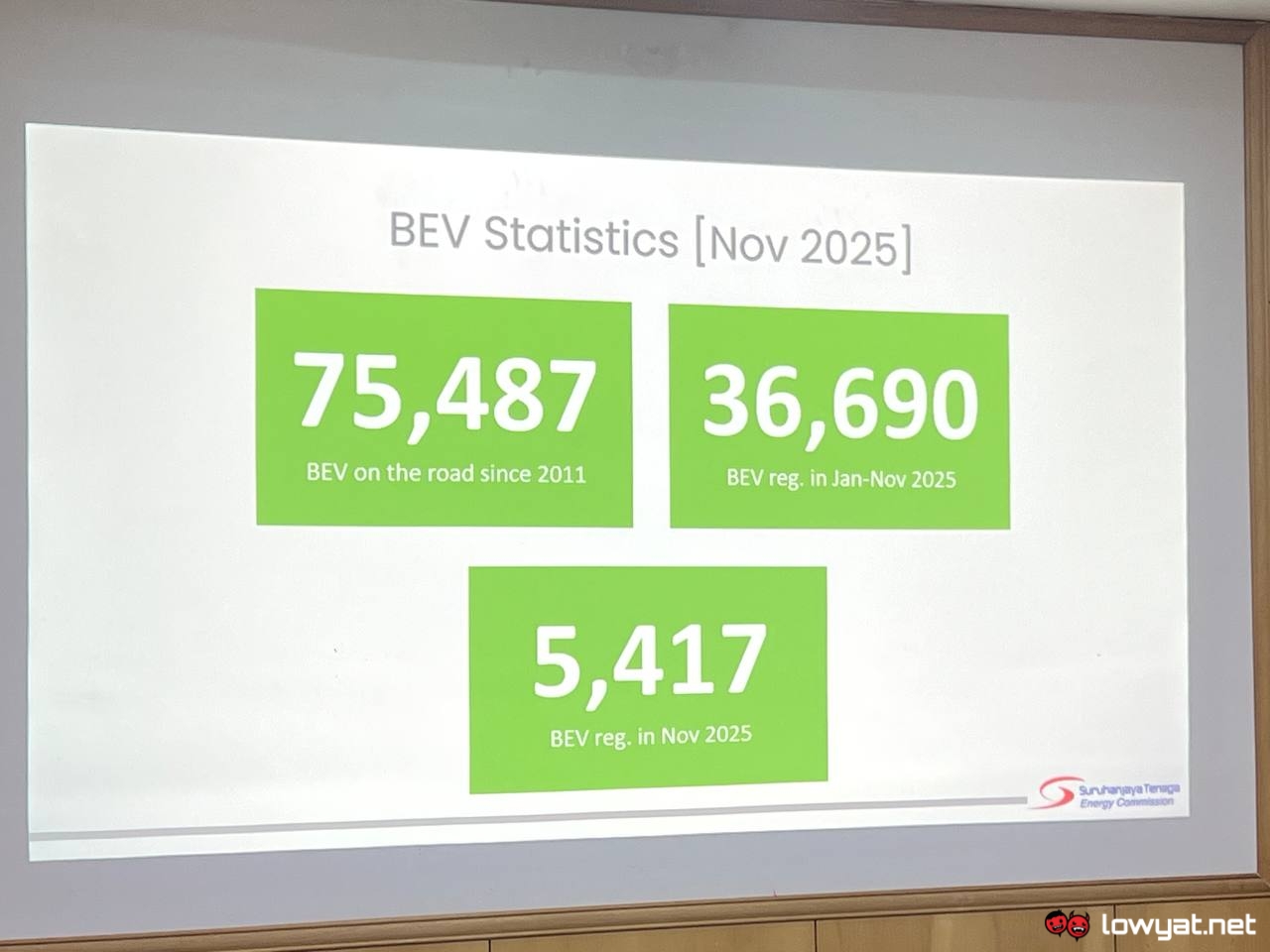
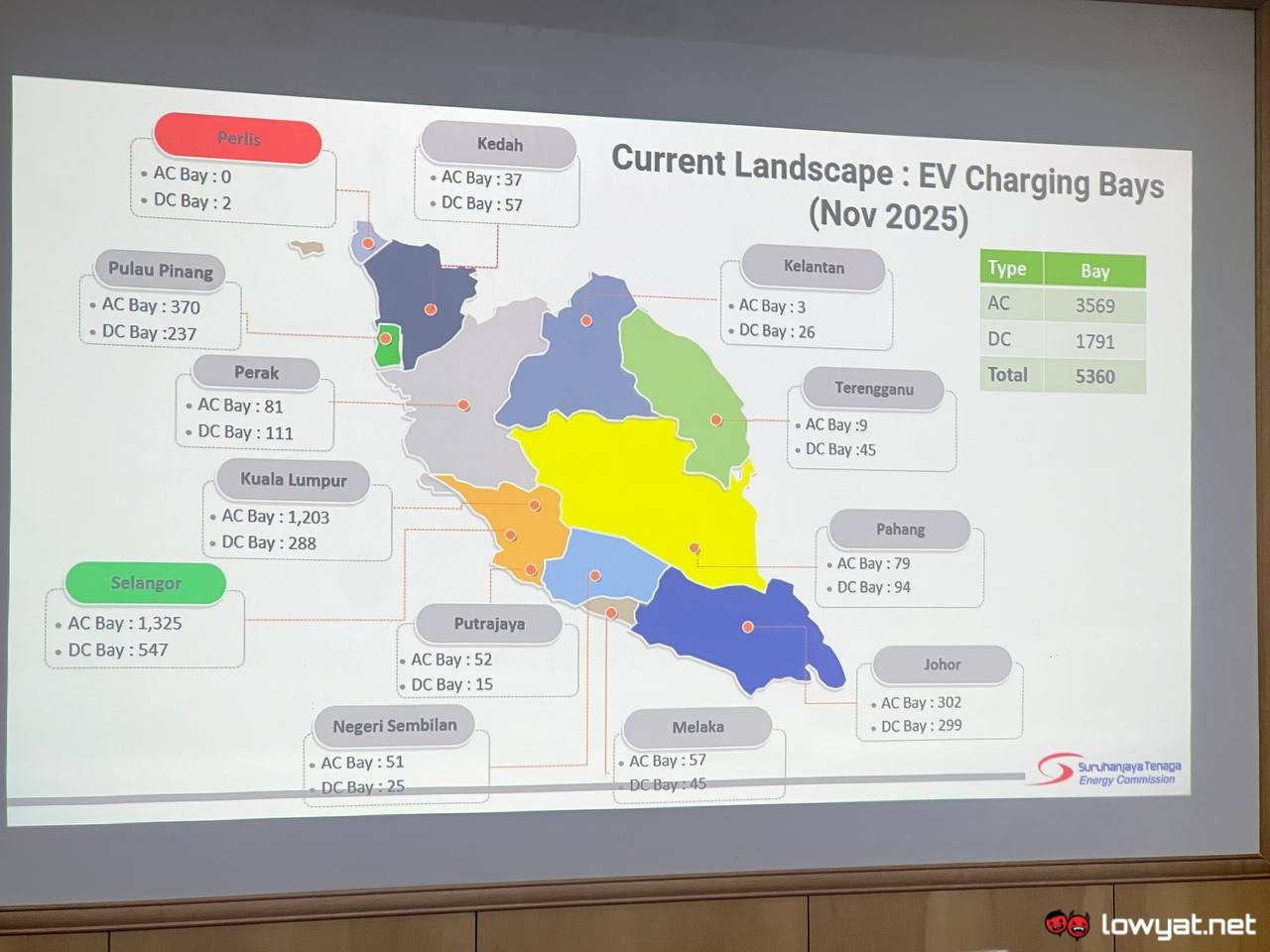
Most EV owners, he explained, already have access to AC charging at home, unless they live in high-rise buildings such as condominiums. This has reduced reliance on public AC charging stations and shifted demand towards DC fast chargers instead.
Tackling High-rise Charging Challenges
Despite this, the availability of AC chargers in high-rise developments remains limited, as installation is often seen as a major hurdle. ST noted that this is partly due to differing laws and guidelines enforced by local authorities (PBT) across states.
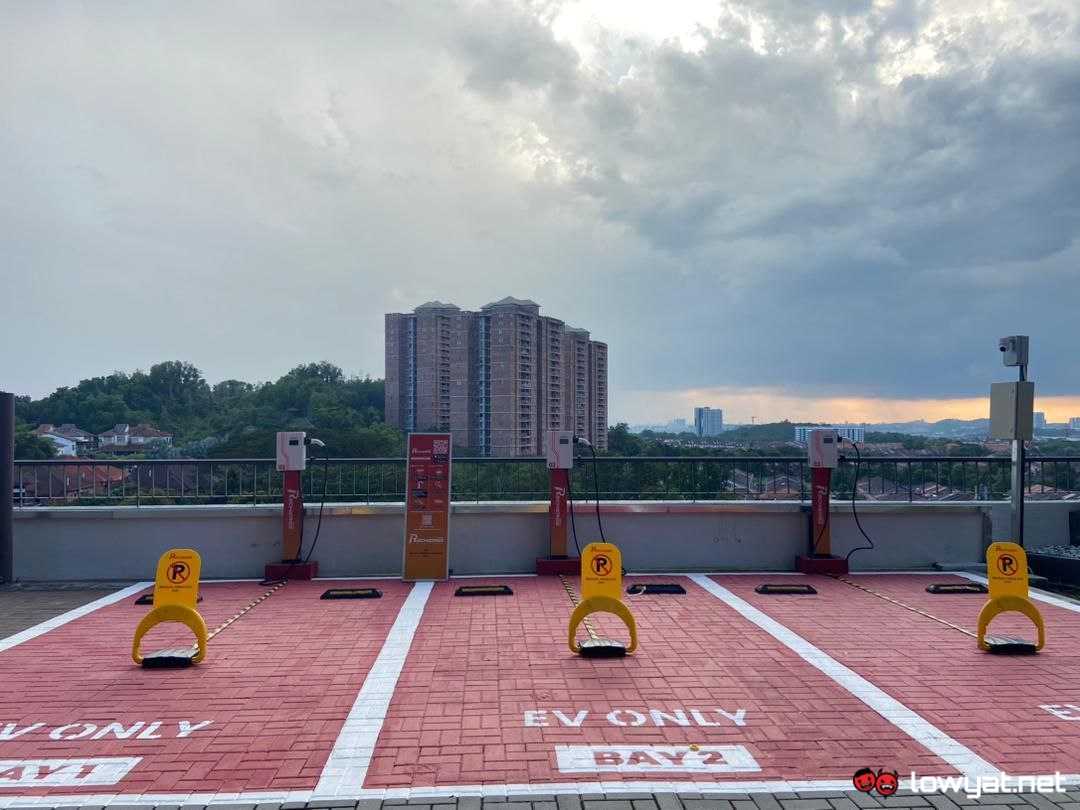
To address the issue, the commission has streamlined its EVCS licensing process, reducing approval timelines from 60 days to 30 days. In practice, ST said approvals are now often granted within two weeks. It is also in discussions with relevant stakeholders to enable private charging facilities in high-rise condominiums, allowing individual unit owners to install AC chargers at their designated parking bays.
