
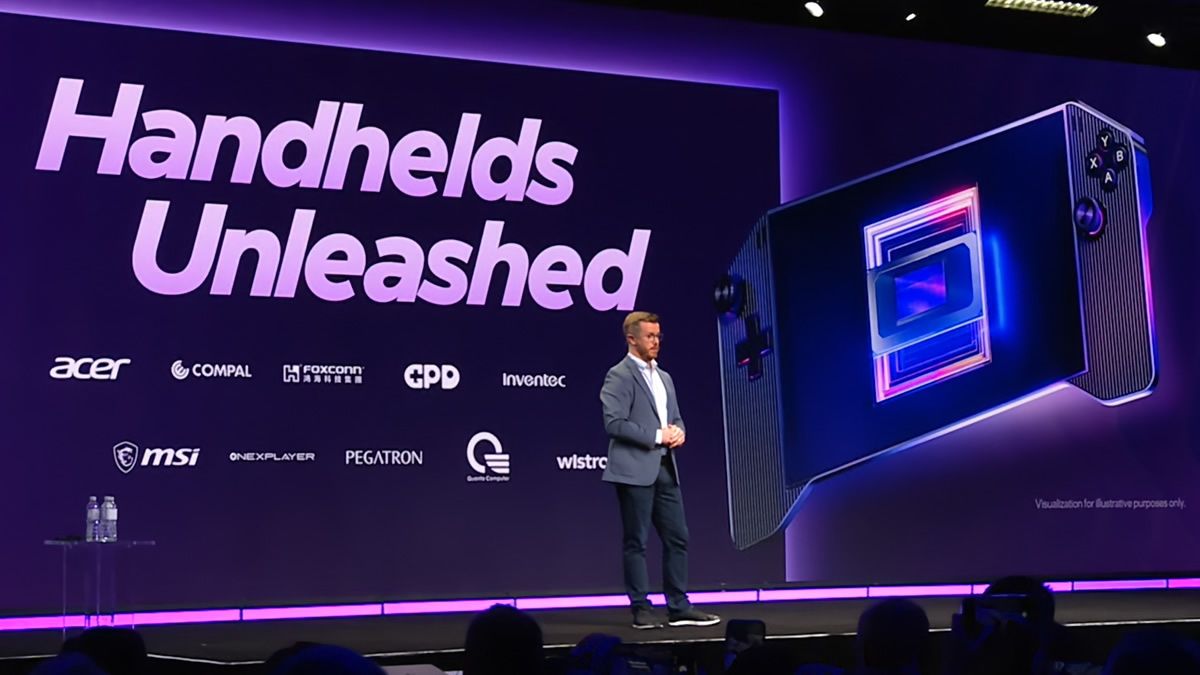
Intel is rumoured have to have delayed the launch of its Panther Lake CPUs for gaming handhelds. More specifically, handhelds powered by the blue chipmaker’s latest mobile CPU won’t be hitting the market at least till the second quarter of this year.
Word of the delay was first leaked by serial leakster Golden Pig, via the Chinese social media platform, Weibo, although, to be fair, their post isn’t meaty or padded with a lot of detail, which in turn leaves us with more questions than answers as to why Intel is doing this.

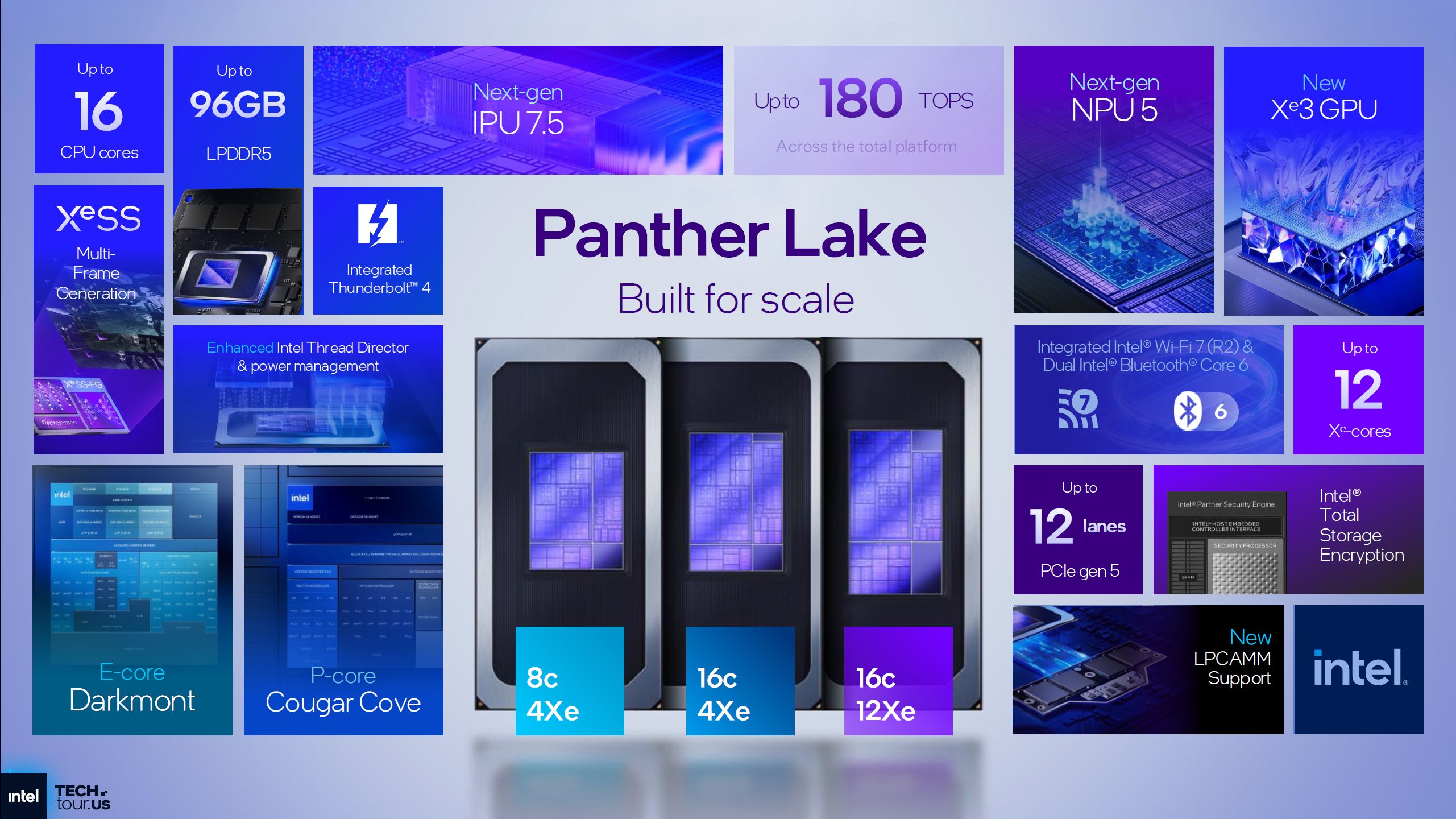
Additional rumours and leaks also hint that the delayed CPU will be dubbed the Core G3, and that there will be two SKUs. The first will be the base model, the Core G3, and will allegedly feature an ARC B360 iGPU, along with 10 Xe3 cores.
The second SKU, dubbed the Intel Core G3 Extreme, is expected to house an even more powerful ARC B380 iGPU, along with the full-fat 12 Xe3 cores. Additionally, both processors are expected to have 14 CPU cores, in a 2P+8E+4LP configuration, with a difference of 100MHz between the two units.
The one probable reason as to why Intel is delaying the launch is also likely the most common one that is affecting every other major tech player in the industry: the blue chipmaker may not have enough chips to fully furnish its own products at the moment. For the uninitiated, the ongoing AI Boom is causing a massive shortage in the memory chip market, with virtually all of the world’s manufacturers of the component shifting gears and selling in bulk to companies that have AI models and datacentres to train.
Why This (Sounds) Important For Intel
Since the advent of the Steam Deck, the gaming handheld market has experienced a revival, a resurgence even. It didn’t take long before major PC brands like ASUS, Lenovo, and MSI launched their own gaming handhelds, all wanting a piece of the market.
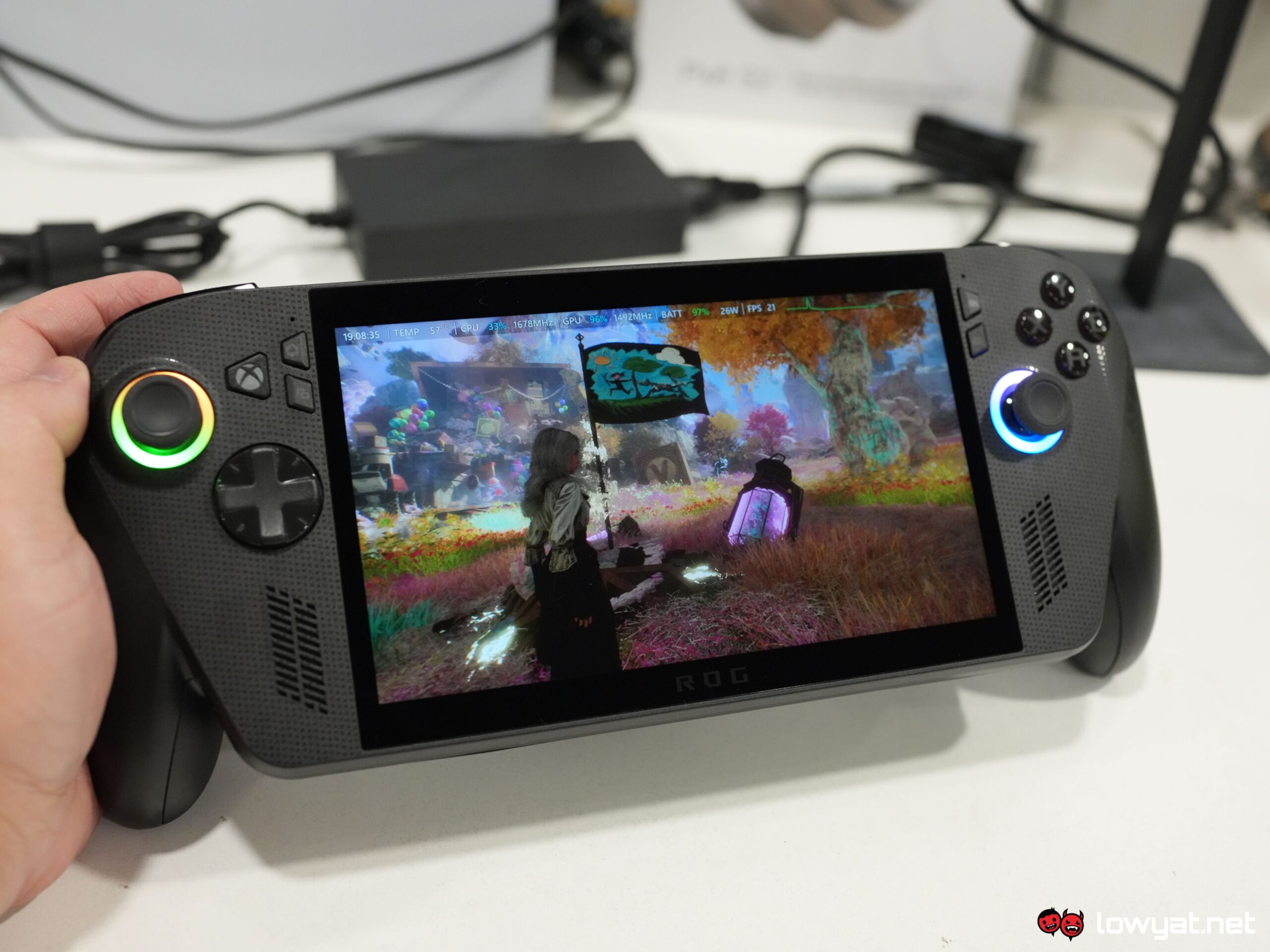
At the very core of all of it was Intel’s red rival: AMD. The red CPU and GPU maker worked very closely with Valve to create a custom APU for the Deck. Then, in 2023, for a want of a word and a dare by ASUS, it introduced the Ryzen Z1 Series of APUs, along with the Taiwanese PC brand’s first gaming handheld, the ROG Ally.
The Ryzen Z Series is, for the sake of this article, nothing short of impressive, using RDNA3 and later, RDNA3.5 GPU cores in the Z2 series that allow them to run even the most demanding PC titles, debatably, at a game’s medium preset, and sometimes with ray tracing turned on.
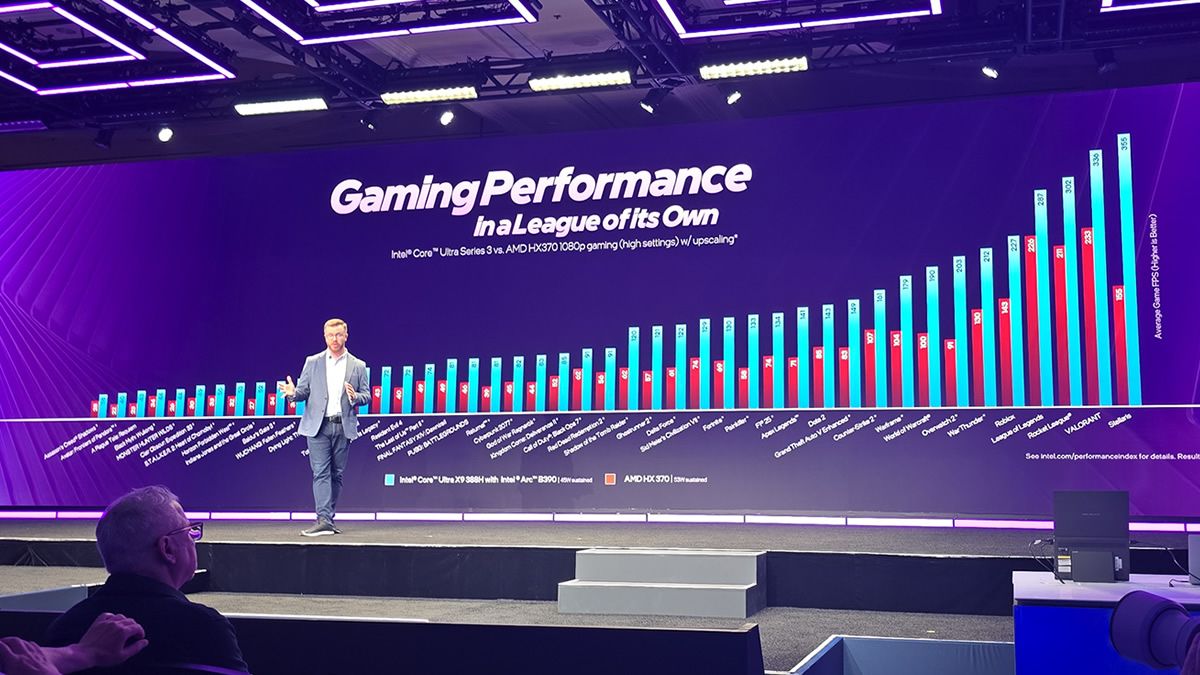
As for how Intel’s delay affects the chipmaker, the simple answer is this: delaying the launch of its Panther Lake processors for the handheld market essentially means it is allowing its red rival to maintain its dominance in the market. Just to be clear, it’s not like Intel doesn’t have a presence in the gaming handheld market; its first foray into it was with its Meteor Lake CPU and via MSI’s Claw 7, but that introduction was, to be blunt, made to disastrous circumstances.
A year later, when Lunar Lake hit the market, the mobile CPU lineup showed promise with its new Battlemage Xe2 cores, but it was still not hitting all of the milestones Intel had for it. The good news, though, is that we’ve testing the top-spec Panther Lake CPU and its ARC B390 iGPU, and to our delight, it really actually rocks pretty hard. We’ve got a review of that chip and the corresponding laptop, the ASUS Zenbook DUO, already in the pipeline for that, so stay tuned.
(Source: Tom’s Hardware, Hot Hardware, Weibo)
