
Johor assemblyman Datuk Pandak Ahmad acknowledged that the controversy surrounding a data centre development near residential areas should serve as a “lesson” for the state government. He noted that authorities should have consulted residents before approving such projects.
Speaking at a press conference alongside ZDATA representatives yesterday, Pandak admitted that community engagement could have helped prevent the public backlash that emerged earlier this year. “If the area being used for a data centre is close to homes, ideally there should be some consultation or negotiations with us, so that data centres can exist without causing much trouble to the public,” he said.

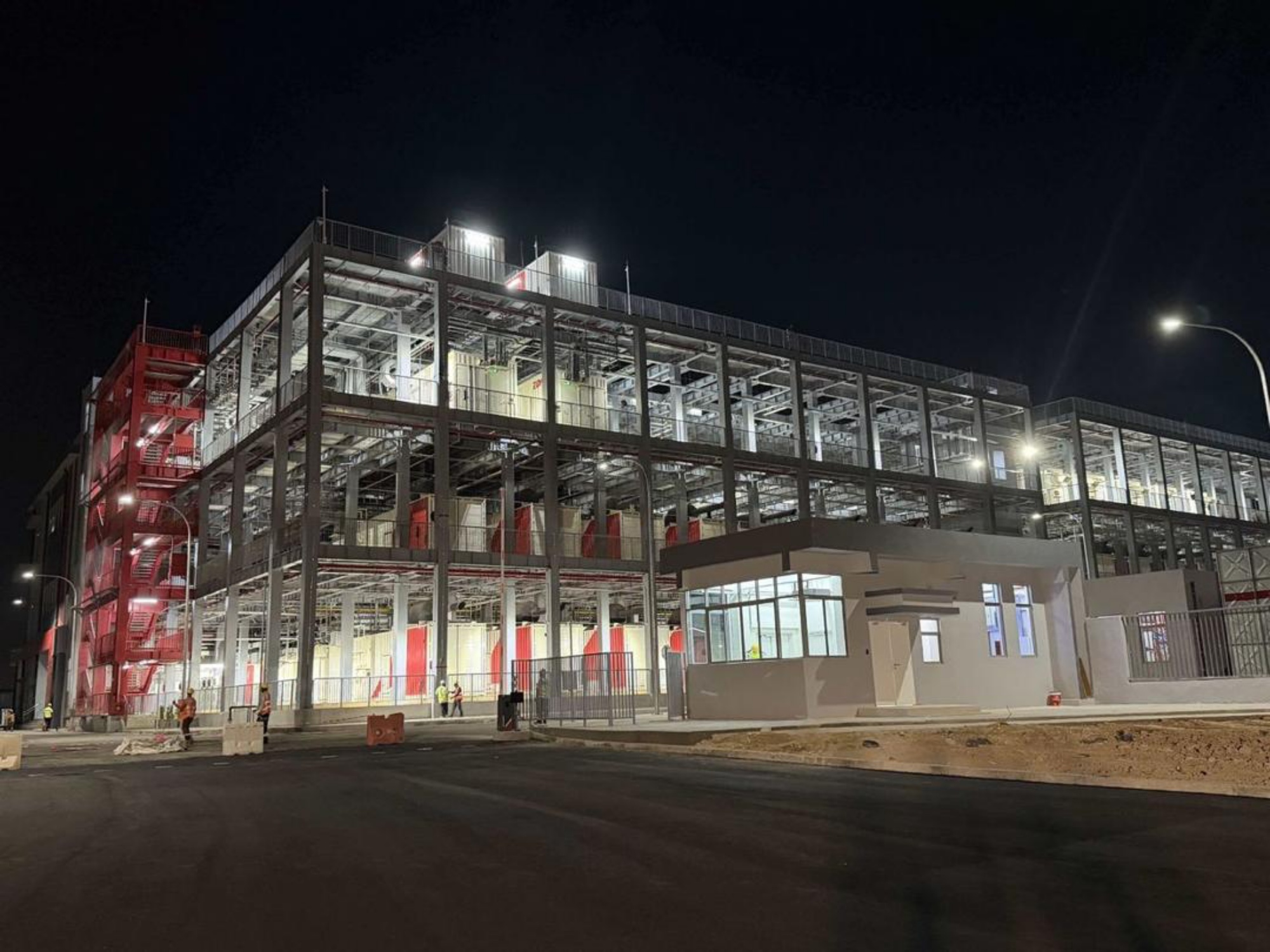
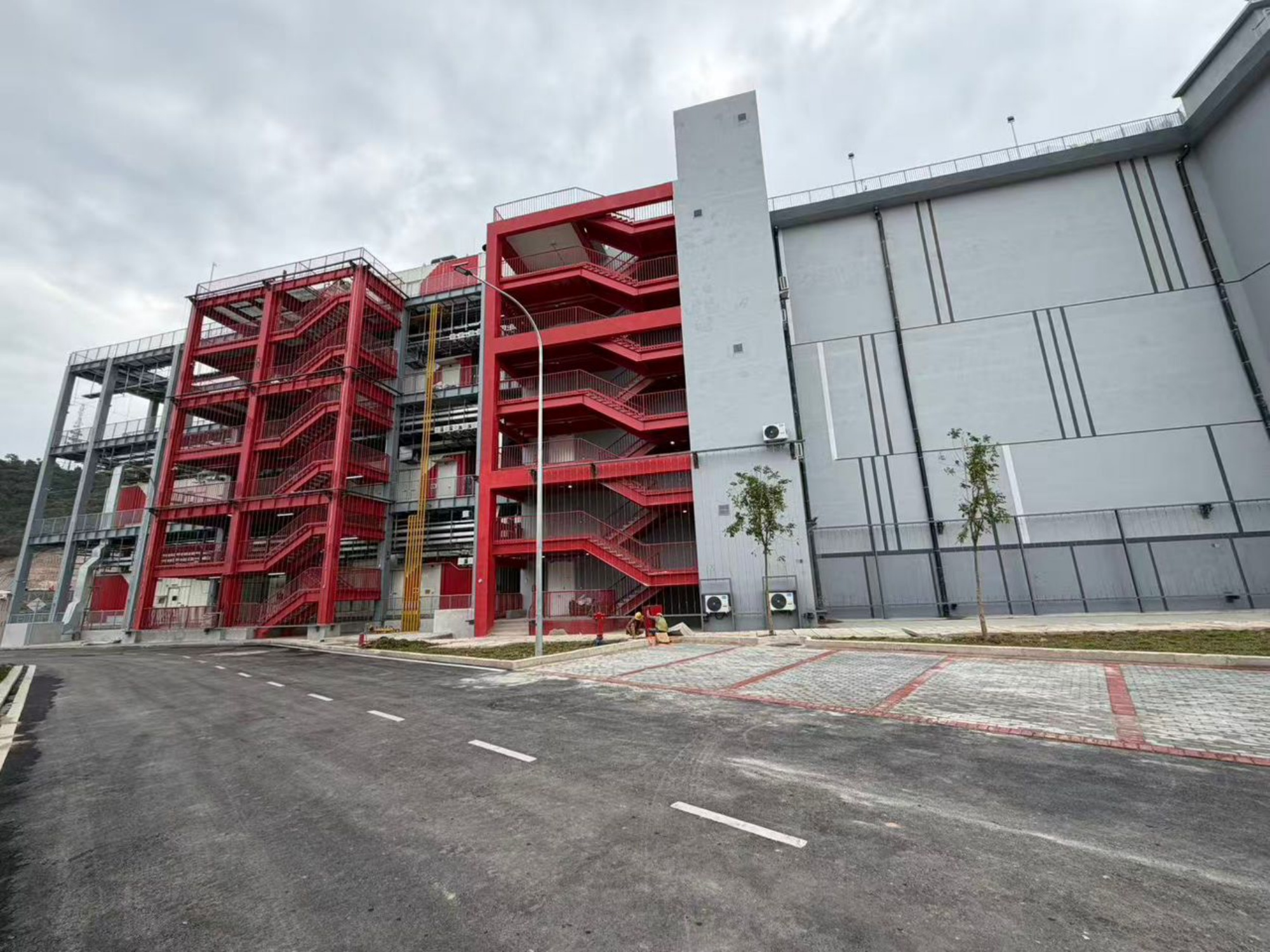
The dispute centres around land near the Taman Nusa Bayu residential neighbourhood in Gelang Patah, Johor. In 2024, ZDATA, operating in Malaysia through its subsidiary Computility Technology, and Japan-based NTT Data Group acquired a 43.5-hectare plot in the area to build separate data centre campuses. Construction began in early 2025, with developers clearing land and levelling a hill behind the residential area.
Residents say dust from the construction site frequently drifts into nearby homes, while flash floods sometimes occur on roads around the estate during heavy rain. Some also believe that cracks appearing in their homes may be linked to vibrations from piling works at the site, while the clearing of land has reportedly driven wildlife such as wild boars and snakes into nearby neighbourhoods.

Concerns over the project eventually led to a protest on 7 February. Residents from Nusa Bayu gathered to demand greater transparency from the Johor Menteri Besar’s office over the state’s plans for data centres and their potential impact on power and water supply.
Pandak said the situation has exposed gaps in how large-scale developments are communicated to nearby communities. “Since the approvals have been made earlier, we, as representatives of the public, are tasked to minimise problems such as dust pollution and flash floods,” he said.
He added that Johor has been actively attracting technology investments under the Johor-Singapore Special Economic Zone, with data centres among the key sectors expected to create high-quality jobs and reduce the outflow of talent to Singapore. However, he acknowledged that the current project’s proximity to housing areas has raised valid concerns.
“It’s unfortunate that this project is too close to four residential estates,” he said, adding that future facilities should instead be located in industrial zones such as the Southern Industrial and Logistics Cluster and Nusajaya Tech Park. “Going forward, this will be a lesson,” he said. “So that people’s perception – which has turned negative with the existence of data centres – can actually become positive once the project is completed and complies with the conditions approved by the local authority.”
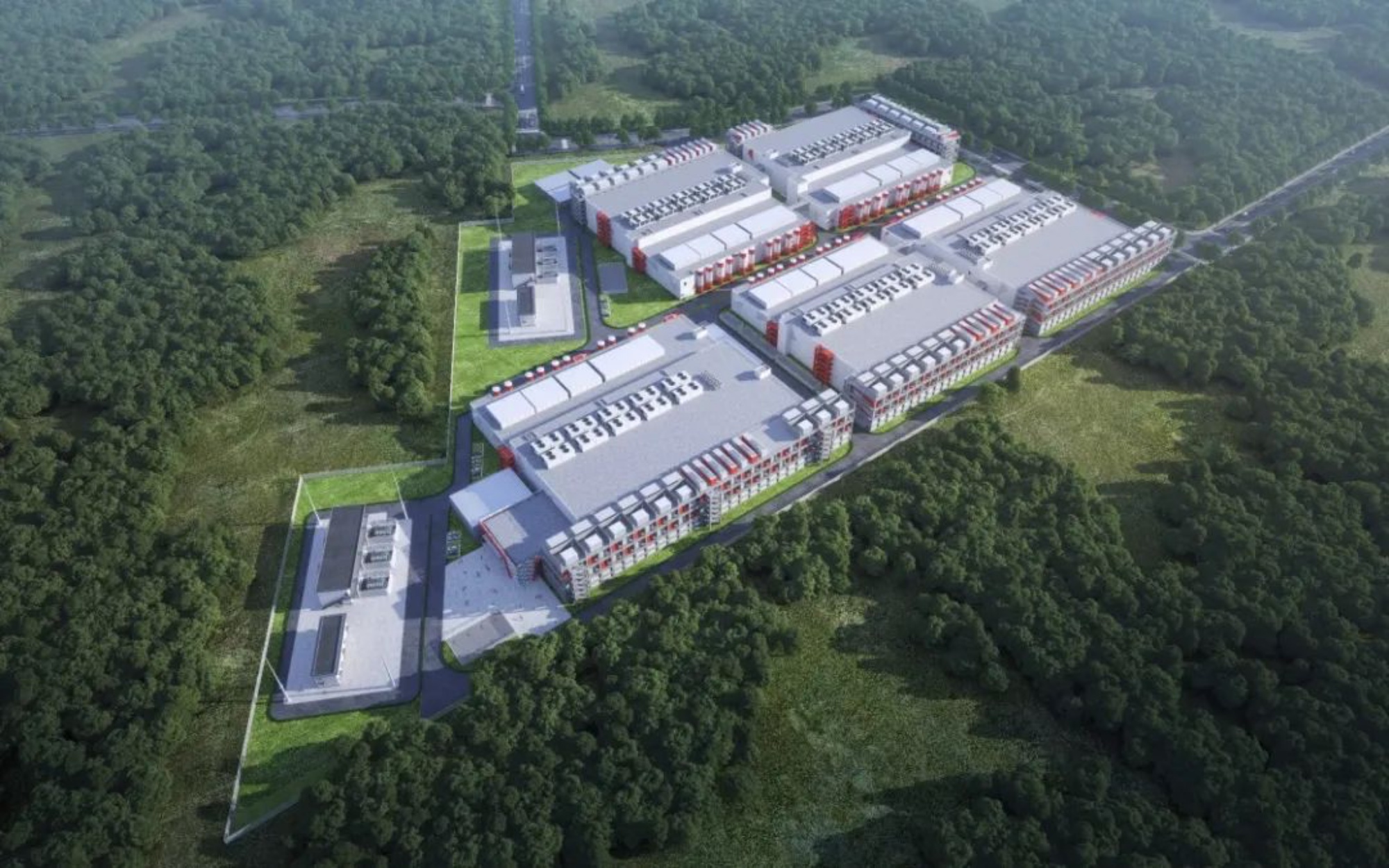
Meanwhile, Computility Technology said it has taken steps to mitigate the impact of the construction works. Its director, Yeo Yong Hwang, said the dust reported by residents may not necessarily originate from its 15.5-hectare site, adding that the company has spent close to RM1 million on measures such as free car washes, road clean-ups, and water spraying to suppress dust. He also noted that Computility has invested “tens of millions” of ringgit in water recycling plants to supply reclaimed water for the data centre’s cooling systems.
The remarks come shortly after ZDATA’s Gelang Patah data centre was awarded the GreenRE Platinum sustainability rating. The RM8 billion hyperscale facility is designed to use reclaimed water for cooling and renewable energy sources to improve efficiency.
(Source: The Straits Times)
