
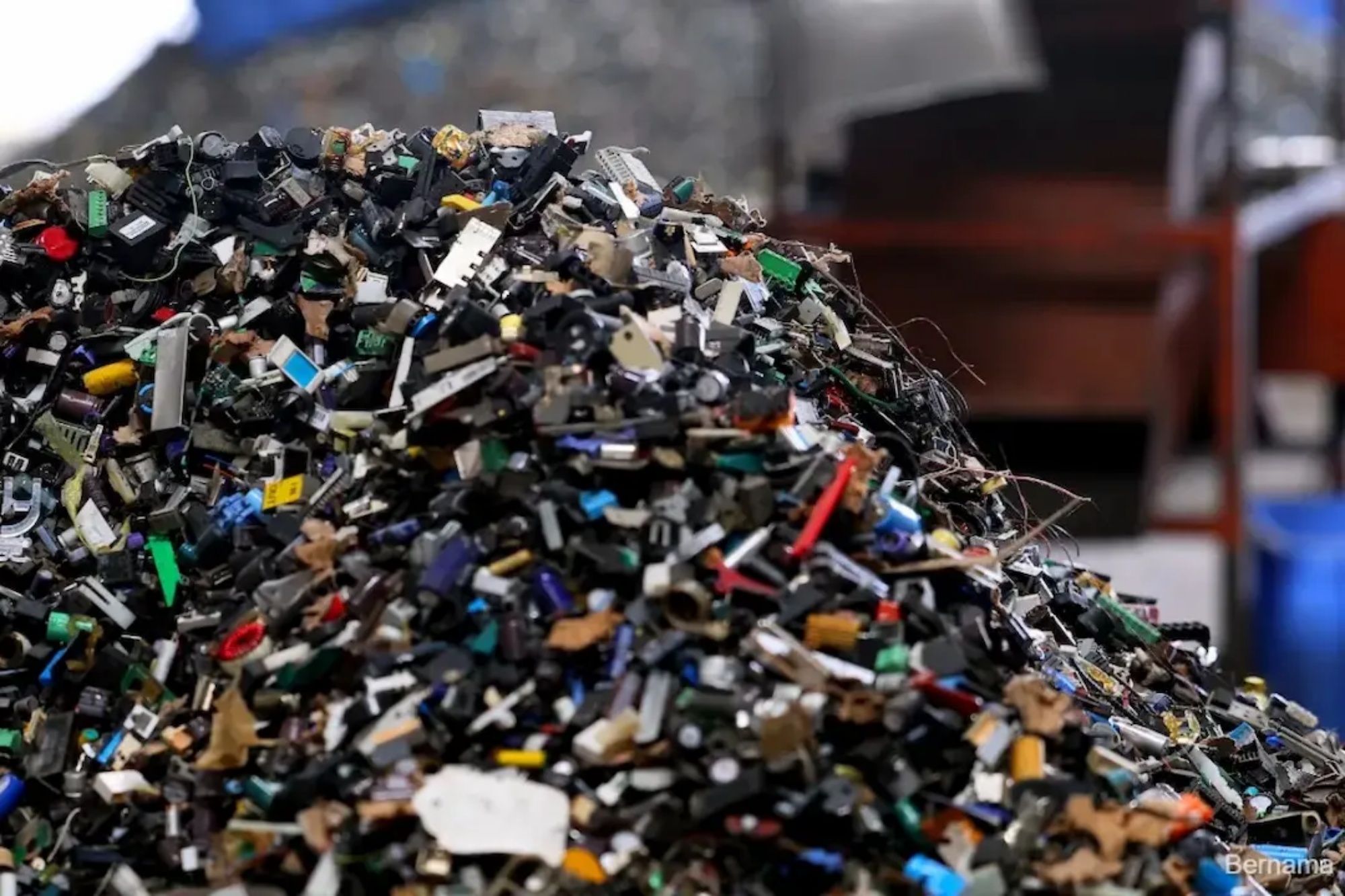
Malaysia has officially banned the importation of electronic waste (e-waste), reclassifying it under the Absolute Prohibition category in the Customs (Prohibition of Imports) Order 2023 with immediate effect. The move removes all discretionary exemptions and marks a significant tightening of controls over cross-border waste flows.
The Special Task Force on the Direction of Enforcement Management of Plastic Waste and E-Waste Imports, chaired by Malaysian Anti-Corruption Commission (MACC) chief commissioner Tan Sri Azam Baki, made the decision. Following the meeting, the task force instructed the Department of Environment (DOE) to immediately submit an application to the Royal Malaysian Customs Department to place e-waste under Absolute Prohibition.
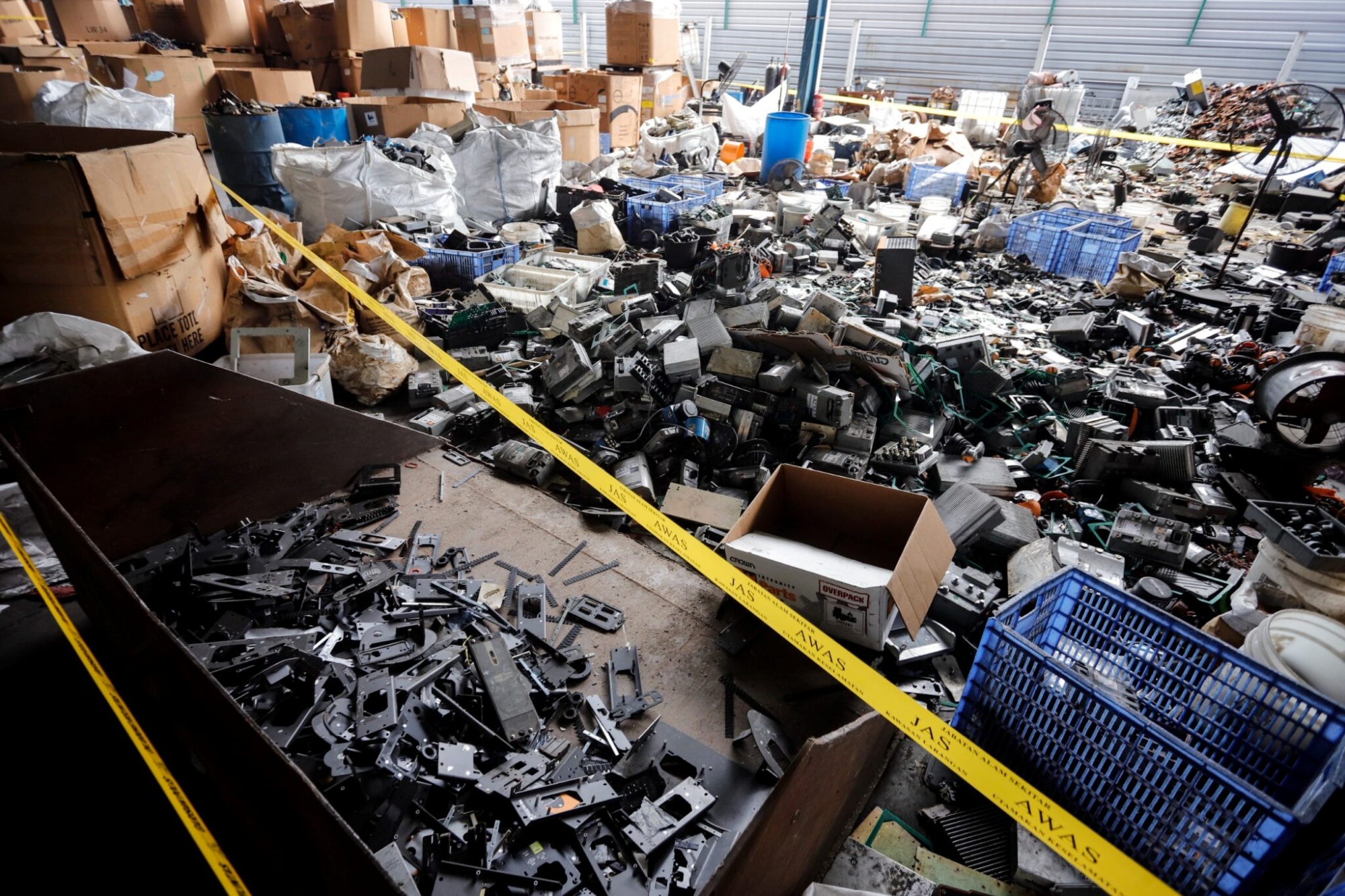
Previously, authorities placed e-waste under the “Conditional Prohibition Except in the Manner Provided” category in the Third Schedule, Part 1, of the Customs Order. That classification allowed the DOE director general to grant exemptions for certain imports, subject to conditions. With the new classification, authorities have removed that discretionary pathway entirely.
To strengthen enforcement, the task force also approved the formation of a special committee to coordinate operational efforts related to e-waste. Port Klang Malaysian Border Control and Protection Agency (AKPS) Control and Protection Commander Datuk Nik Ezanee Mohd Faisal will chair the committee. The committee must report its outcomes to the task force within one week to ensure more systematic and effective management.
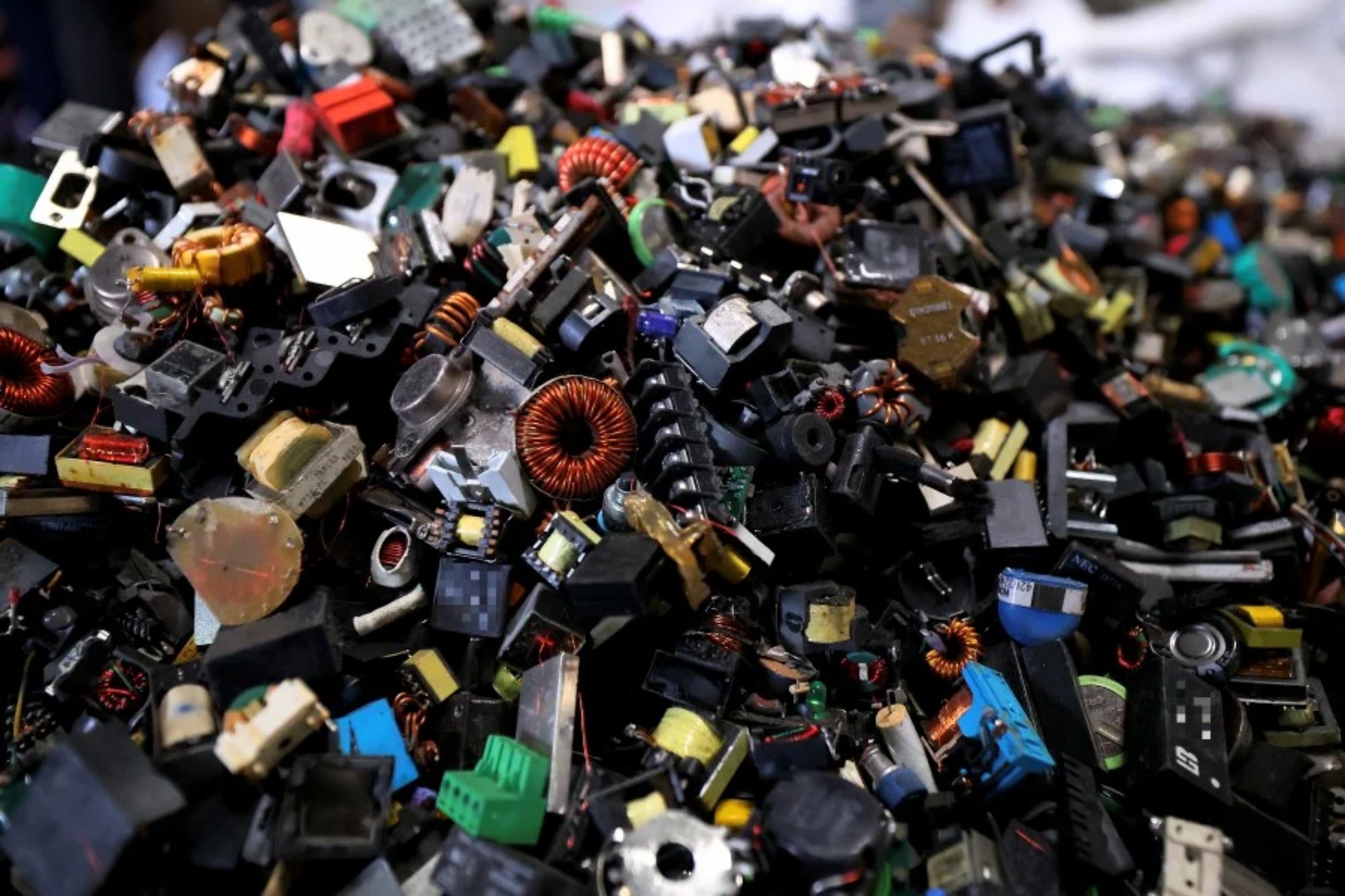
Image: Bernama
Common Types of Imported E-Waste
- Information and Communications Technology (ICT) Equipment: Laptops, desktops, monitors, and computer components.
- Household Appliances: Refrigerators, washing machines, air conditioners and televisions.
- Components & Components Waste: Circuit boards, hard drives, cables and other salvaged electronic parts.
- Batteries: Lead-acid batteries (whole or crushed), and batteries containing mercury, cadmium or lithium.
- Telecommunication Equipment: Used or end-of-life mobile phones, telephone sets, and networking equipment.
Apart from scrapped parts, imported e-wastes may also come as whole devices, which are brought in for salvage, either for repair and refurbishment or to extract valuable components. While most are imported illegally through smuggling, some can be found through imported used-goods stores or online marketplaces. Functional or not, many of these devices have exceeded their end-of-life cycle and may be classified as e-waste under the updated enforcement approach.
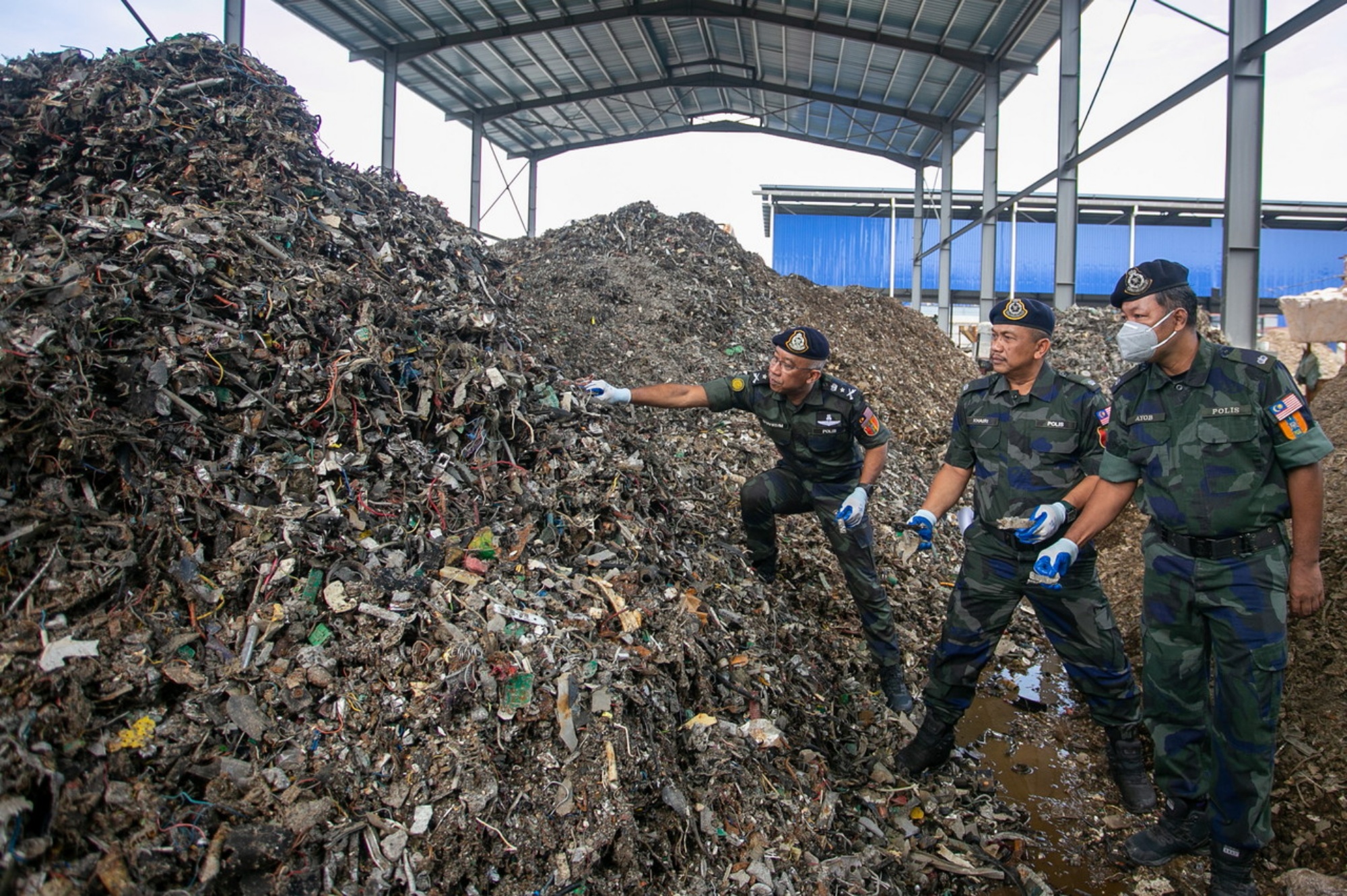
Recent MACC Crackdown And Port Klang Operations
The full ban follows heightened enforcement activity and high-profile investigations. According to a report by the New Straits Times in late January, the MACC arrested the Department of Environment’s director-general and deputy director-general in connection with alleged abuse of power and corruption linked to e-waste management. The case is being investigated under the MACC Act 2009.
Authorities also arrested and remanded multiple other individuals, including company directors and DoE officers, over suspected protection of factories involved in improper e-waste processing and scheduled waste disposal. As part of the investigation, MACC froze 16 bank accounts containing RM10.2 million, seized RM87,000 in cash and confiscated valuable items worth RM220,000 under an operation code-named Op Nature.
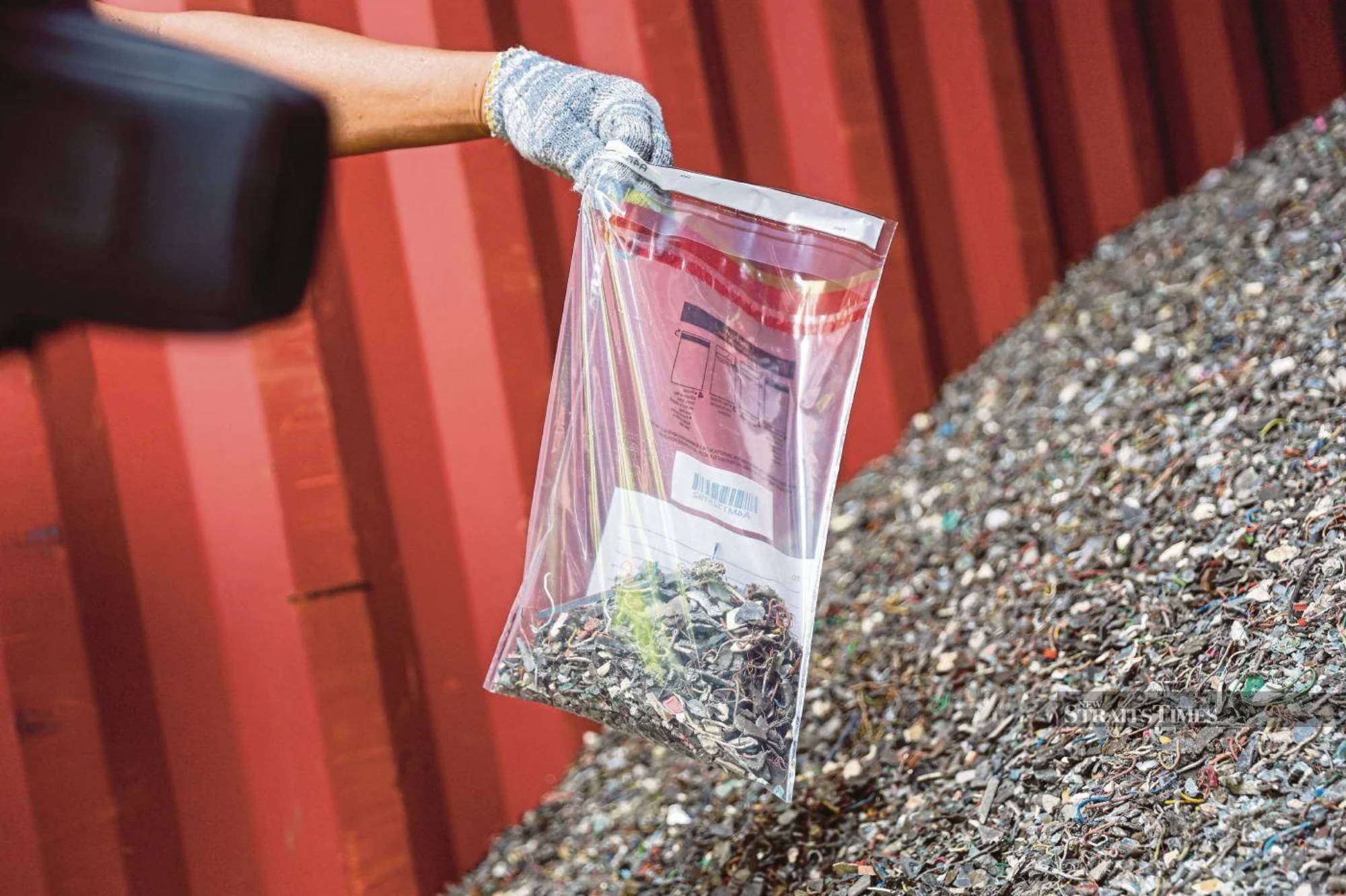
At Port Klang, enforcement agencies have intensified inspections to curb smuggling. Joint teams from the Malaysian Border Control and Protection Agency, DoE, MACC and police have carried out mass container inspections, including shipments originating from the United States, South Korea, Spain and Taiwan. Officers found insulated copper wire listed as prohibited waste in one container from the US and seized it for further investigation.
Authorities have flagged dozens more containers for scrutiny and reported stopping more than 125 tonnes of illegal e-waste and toxic materials from entering the country. With more than 41,000 containers moving in and out of ports daily, agencies say the latest measures aim to strengthen inter-agency coordination, improve intelligence sharing and dismantle smuggling networks at multiple levels.
(Source: Bernama / New Straits Times)
