
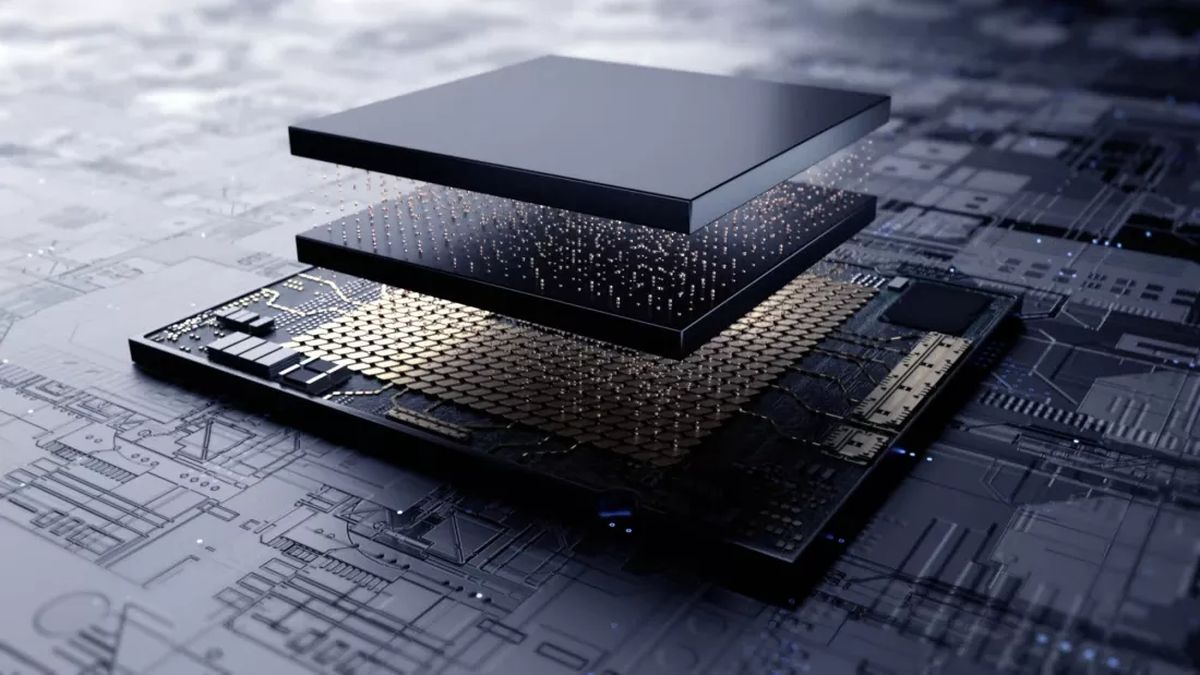
Micron is reportedly planning on developing vertically stacked GDDR memory products. The memory maker is said to have already started working on a new design for the model, with plans to install related equipment and have a working product using said memory out by the second half of this year.
News of Micron’s alleged project were first reported by Korean outlet, ETNews, and that the semiconductor company is targeting AI accelerators for its stacked GDDR memory project, and not gaming cards for the consumer market segment. It makes sense that the company isn’t doing anything for the latter, especially since the company announced that it was winding down production of memory products for consumers and its corresponding brand, Crucial.
Just Don’t Call It HBM
If the concept of stacking memory modules one on top of the other sounds familiar, it’s because it isn’t new. AMD was actually the first to introduce the concept via High Bandwidth Memory, or HBM for short.
It debuted the memory product first via the Radeon RX Fury X and Nano, followed by the 2nd generation HBM2 in the form of the Radeon VII. Then, as now, the technological concept is the same: stacking memory modules to maximise bandwidth, as well as to minimise the footprint of modules on the PCB.

In the case of GDDR and Micron prioritising AI Accelerators, this would place the technology somewhere between conventional graphics memory and HBM, both in cost and performance. Of course, some details that remain elusive right now include the yields of the new stacked memory, the heat it would generate, and scalability.
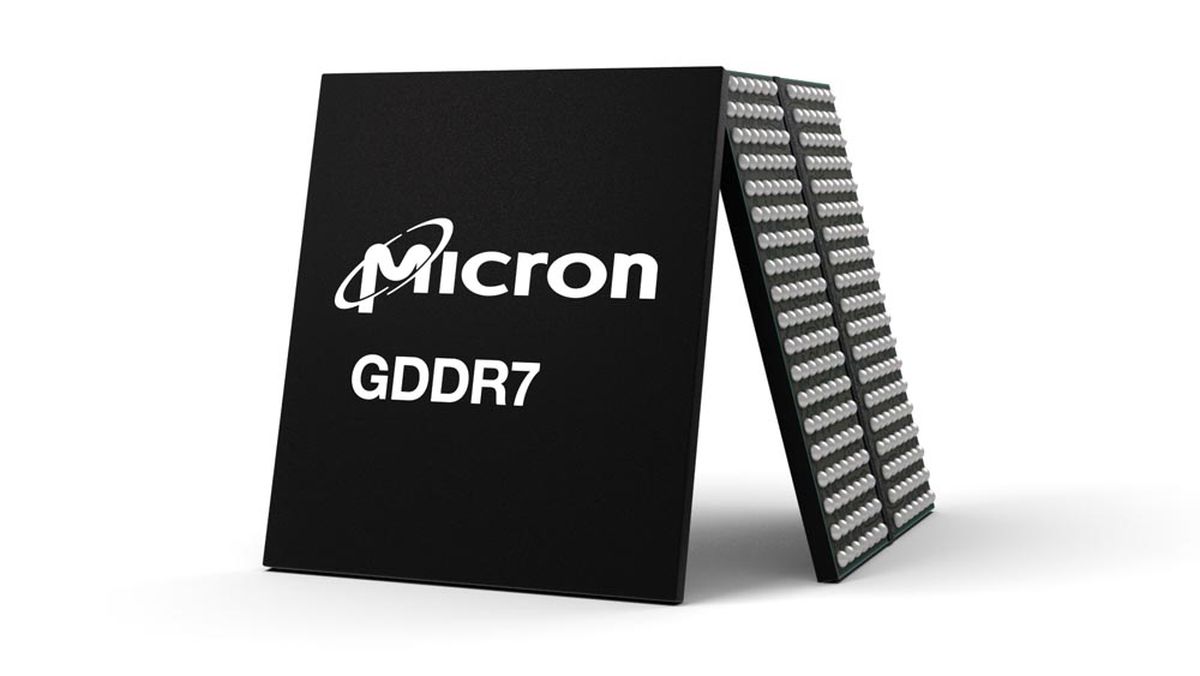
At the time of writing, Micron hasn’t made any official announcements about its alleged stacked GDDR product, so we recommend that you take this news with a usual dose of scepticism until such time an announcement is made. That being said, the company hasn’t abandoned the consumer market entirely. The consumer memory market notwithstanding, it still does make GDDR7 memory, with a broad aim of its chips being used in AI, gaming, and high performance computing. These graphics memory modules are capable of achieving speeds of up to 32Gb/s and have system bandwidth greater than 1.5TB/s on a 384-bit memory bus.
(Source: ETNews, Videocardz)
