
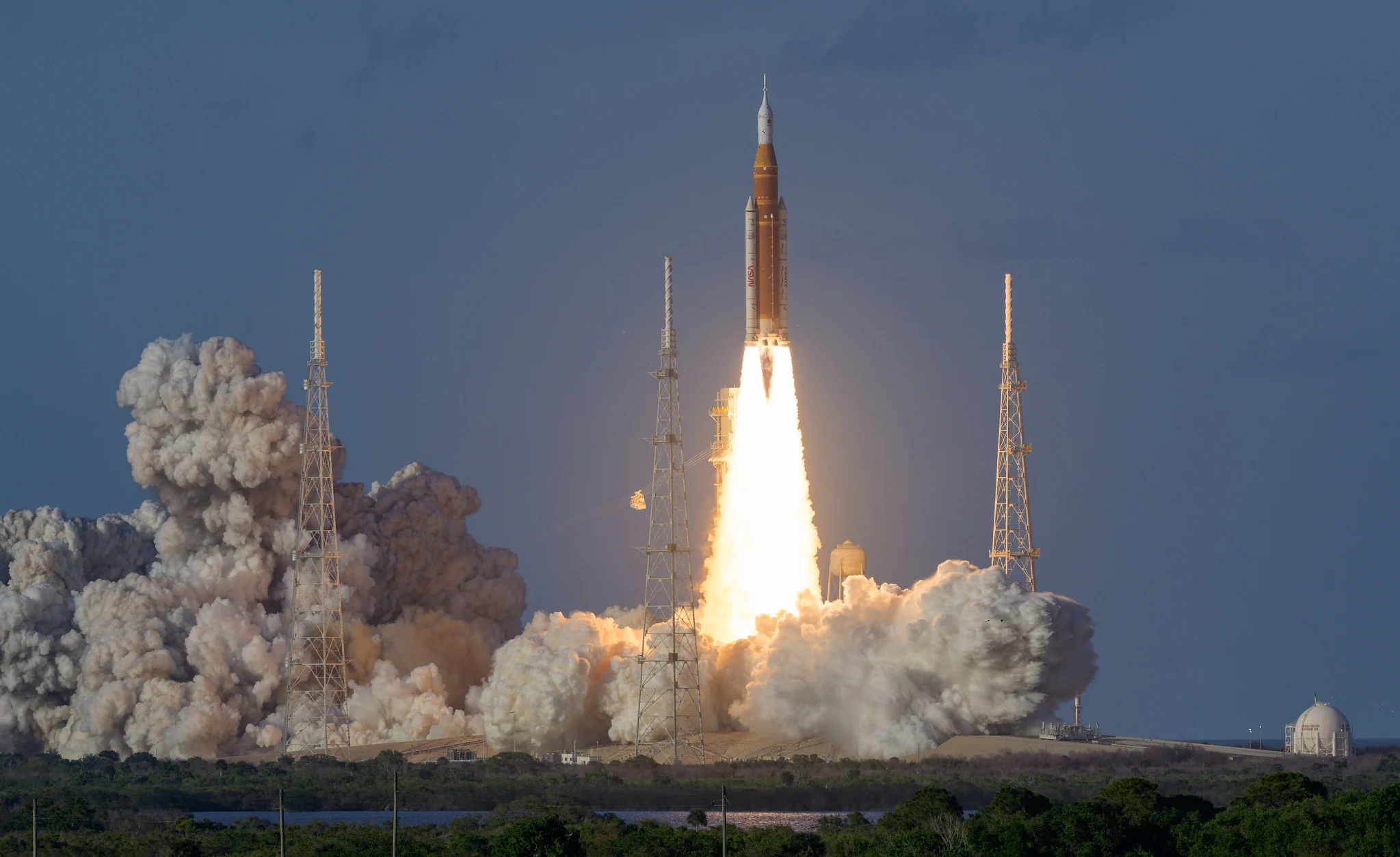
NASA has successfully launched its Artemis II mission, sending four astronauts on a historic journey around the Moon for the first time since the Apollo era. The launch, which took place earlier today from Kennedy Space Center in Florida, marks a major milestone in the agency’s Artemis programme aimed at returning humans to the lunar surface.
As the first crewed mission of the programme, Artemis II is designed to validate critical systems aboard both the rocket and spacecraft in deep space. This aims to pave the way for more complex NASA missions in the coming years, including to Mars.
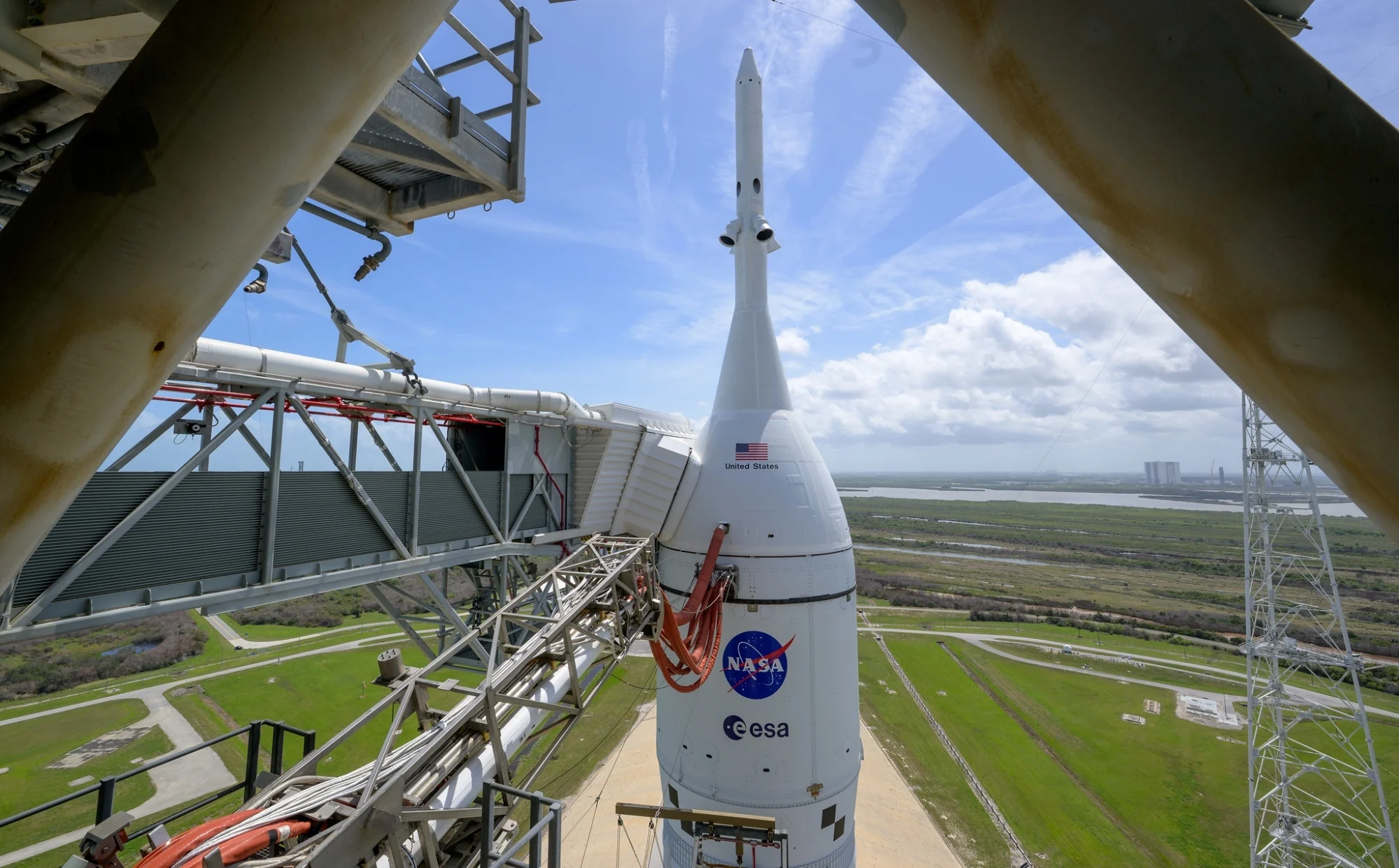
Launch System And Orion Spacecraft
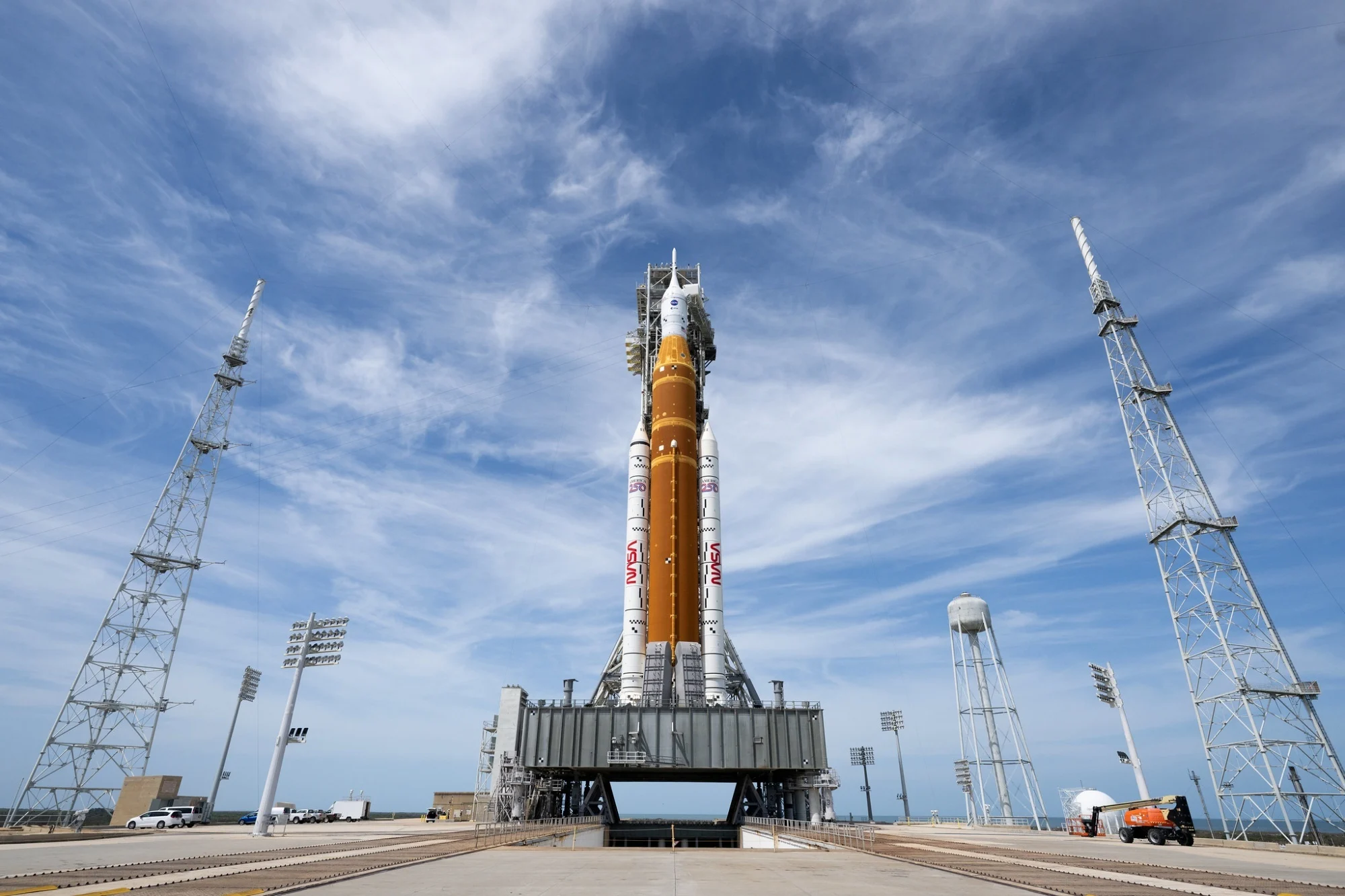
Vehicles involved as part of the mission is NASA’s Space Launch System (SLS), a super heavy-lift rocket developed specifically for deep space exploration. The SLS is responsible for propelling the Orion spacecraft beyond Earth’s orbit and onto a trajectory toward the Moon.
Paired with the rocket is the Orion spacecraft, which serves as the crew’s living quarters and command module throughout the mission. Artemis II marks the first time Orion is carrying astronauts, following its uncrewed test flight during Artemis I in 2022.
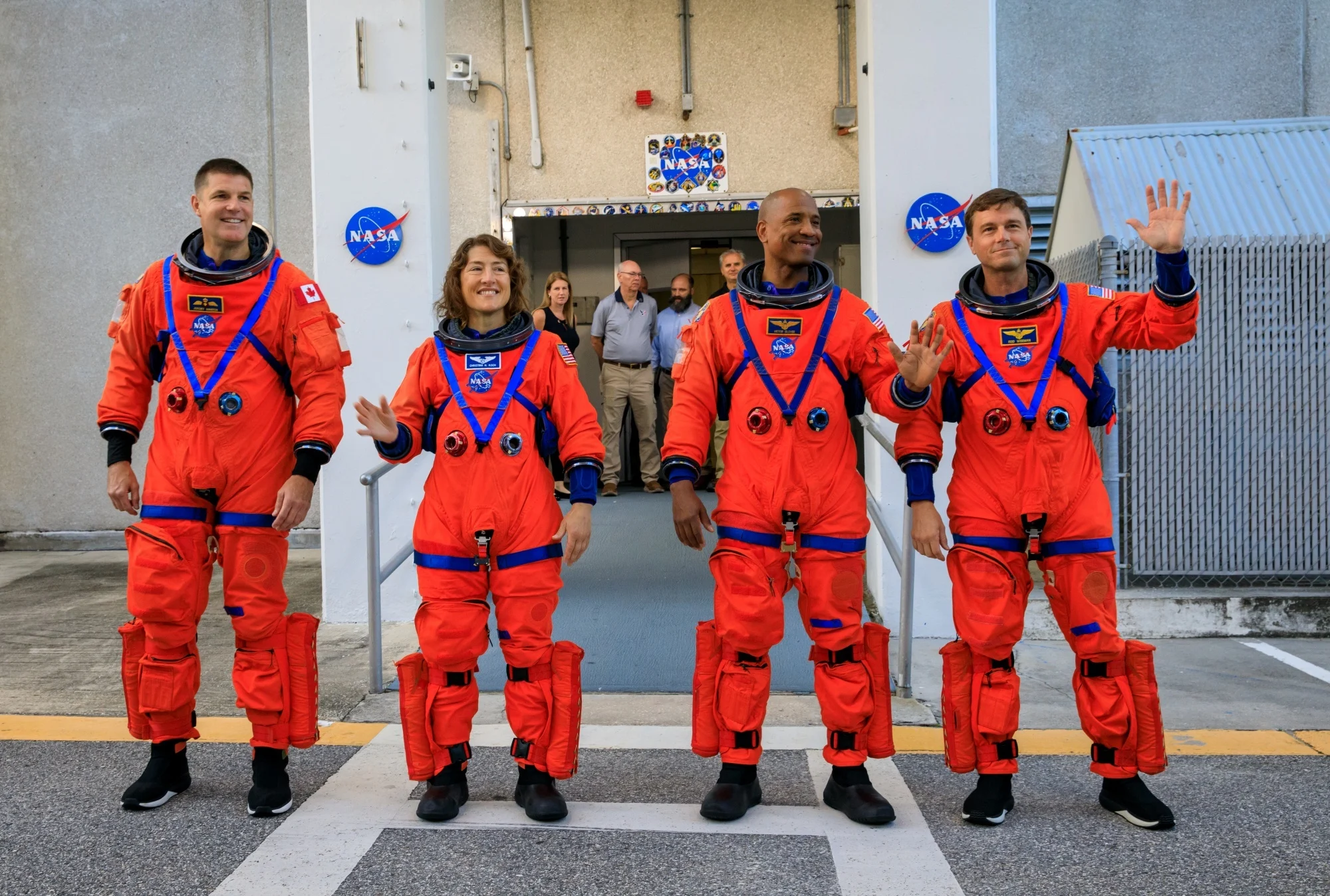
The Astronauts
The Artemis II crew consists of four astronauts representing both NASA and its international partners. Leading the mission is Reid Wiseman, joined by Victor Glover, Christina Koch, and Canadian Space Agency astronaut Jeremy Hansen.
This mission carries additional significance beyond its technical goals. Koch is set to become the first woman to travel into deep space near the Moon, while Glover will be the first African American astronaut to do so. Hansen, meanwhile, becomes the first Canadian astronaut to venture beyond low Earth orbit.
A 10-Day Journey Around The Moon
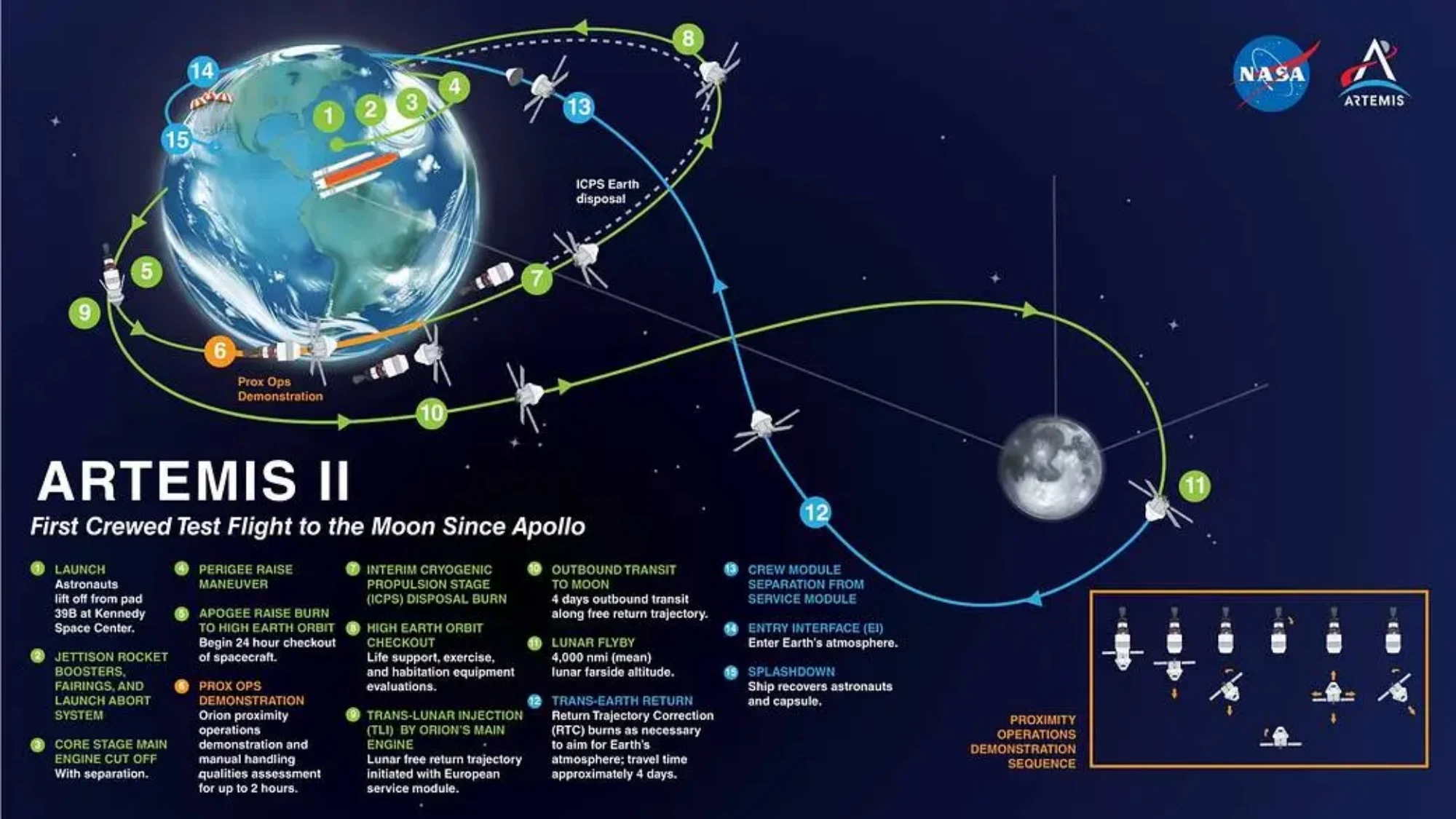
Artemis II is planned as a roughly 10-day mission, designed to thoroughly test spacecraft systems with a human crew onboard. The mission begins with the Orion spacecraft entering a high Earth orbit, where astronauts spend the first two days conducting system checks on life support, propulsion, and navigation.
Following these initial tests, Orion performs a translunar injection burn, sending the spacecraft toward the Moon. Over the next several days, the crew continues monitoring onboard systems as they travel deeper into space than any humans have in decades.
The spacecraft will then execute a lunar flyby using a free-return trajectory, looping around the Moon and naturally guiding the crew back toward Earth without requiring major propulsion adjustments. During the return phase, additional tests are conducted to validate performance in deep space conditions.
The mission concludes with a high-speed re-entry into Earth’s atmosphere. This is where Orion’s heat shield will undergo a critical real-world test before the capsule splashes down in the Pacific Ocean for recovery.
What Comes Next
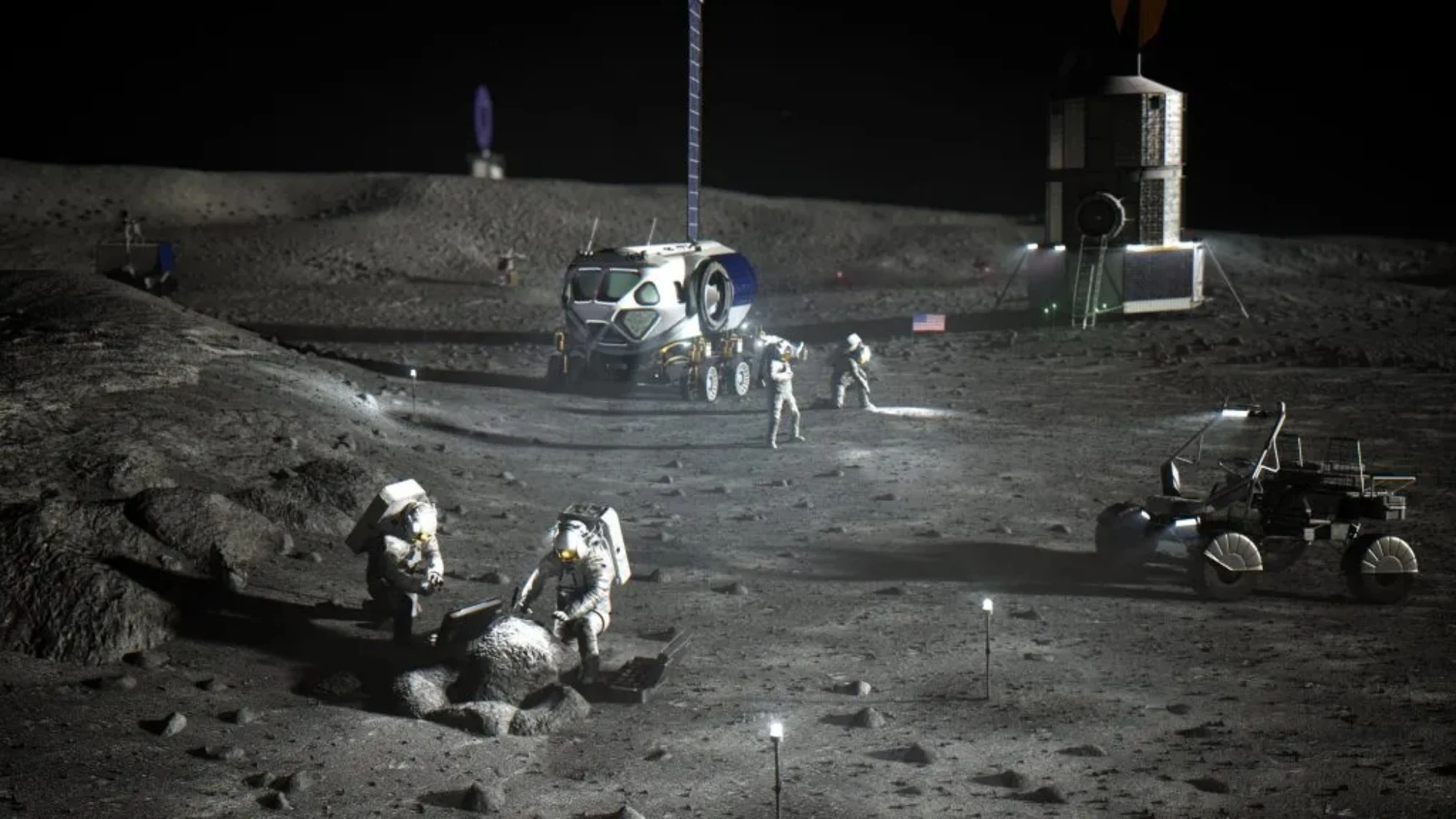
Artemis II serves as a crucial stepping stone toward more ambitious missions in the Artemis programme. Its primary objective is to validate systems needed for landing astronauts on the Moon, something NASA is targeting with Artemis III, currently planned for later this decade.
Beyond that, Artemis IV and subsequent missions aim to establish a sustained human presence on and around the Moon, including the development of lunar infrastructure and potential habitats. Additionally, NASA views the Artemis programme as a foundation for eventual human missions to Mars, using the Moon as a proving ground for technologies and operations required for deep space exploration.
(Source: NASA [official website])
