
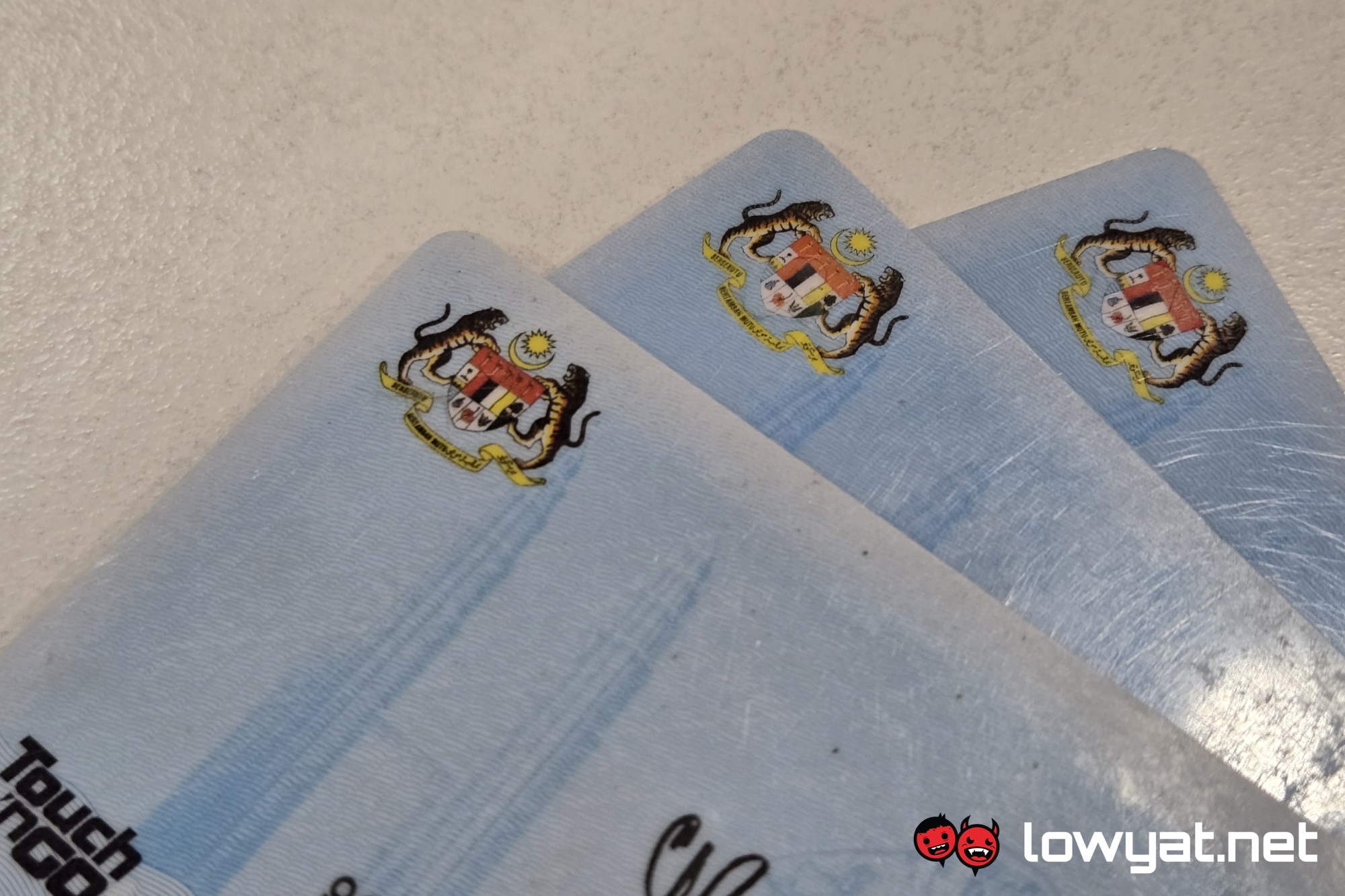
Last month, it was announced that Malaysia will be introducing a new iteration of the national identity card (IC). The government will begin issuing this next generation MyKad next year. Ahead of the rollout, Home Minister Datuk Seri Saifuddin Nasution Ismail has clarified that the transition to the new cards will be gradual.
As such, Malaysians will not need to rush to acquire the upgraded MyKad. The minister also assured that the change to the new ICs will only be compulsory once the government’s ecosystem is fully ready.
When will the new MyKad be rolled out?

According to the minister, the transition to the next generation MyKad will be carried out in four phases, with the first stage set to begin in June 2026. This part of the shift will focus on the production and supply of the updated ICs.
Then, the second phase will involve issuing the new MyKad for all applications and replacements. After that, the third phase will focus on expanding adoption nationwide. During this stage, agencies and services will shift to QR-based verification. Finally, all citizens will be required to switch to the new MyKad in the fourth phase.
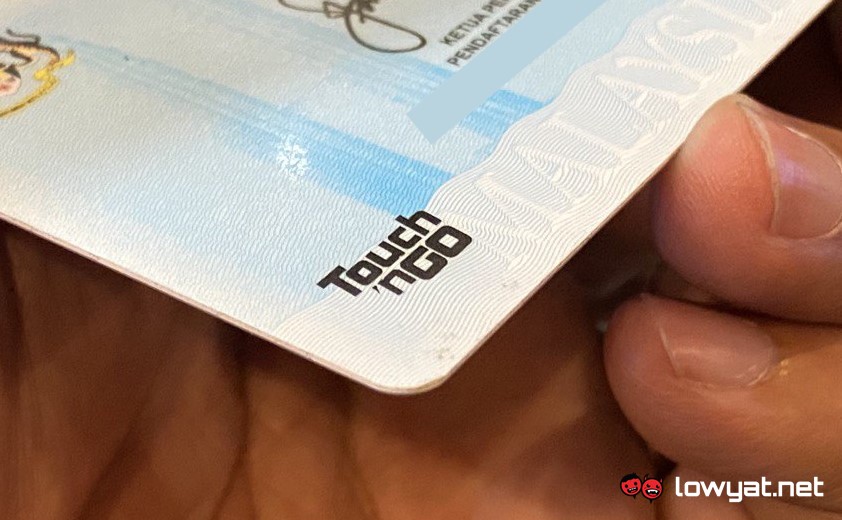 Saifuddin also stated that the National Registration Department (NRD) is prepared, with procurement in place and production capacity secured. The minister mentioned that back-end integration with ministries is underway.
Of course, the greater challenge is in making sure the transition goes smoothly. This includes making sure the infrastructure is available and all agencies support QR-based checks. Malaysians must also know when to upgrade, and the transition must be well-paced to avoid confusion or congestion.
What’s new with the next-gen MyKad?
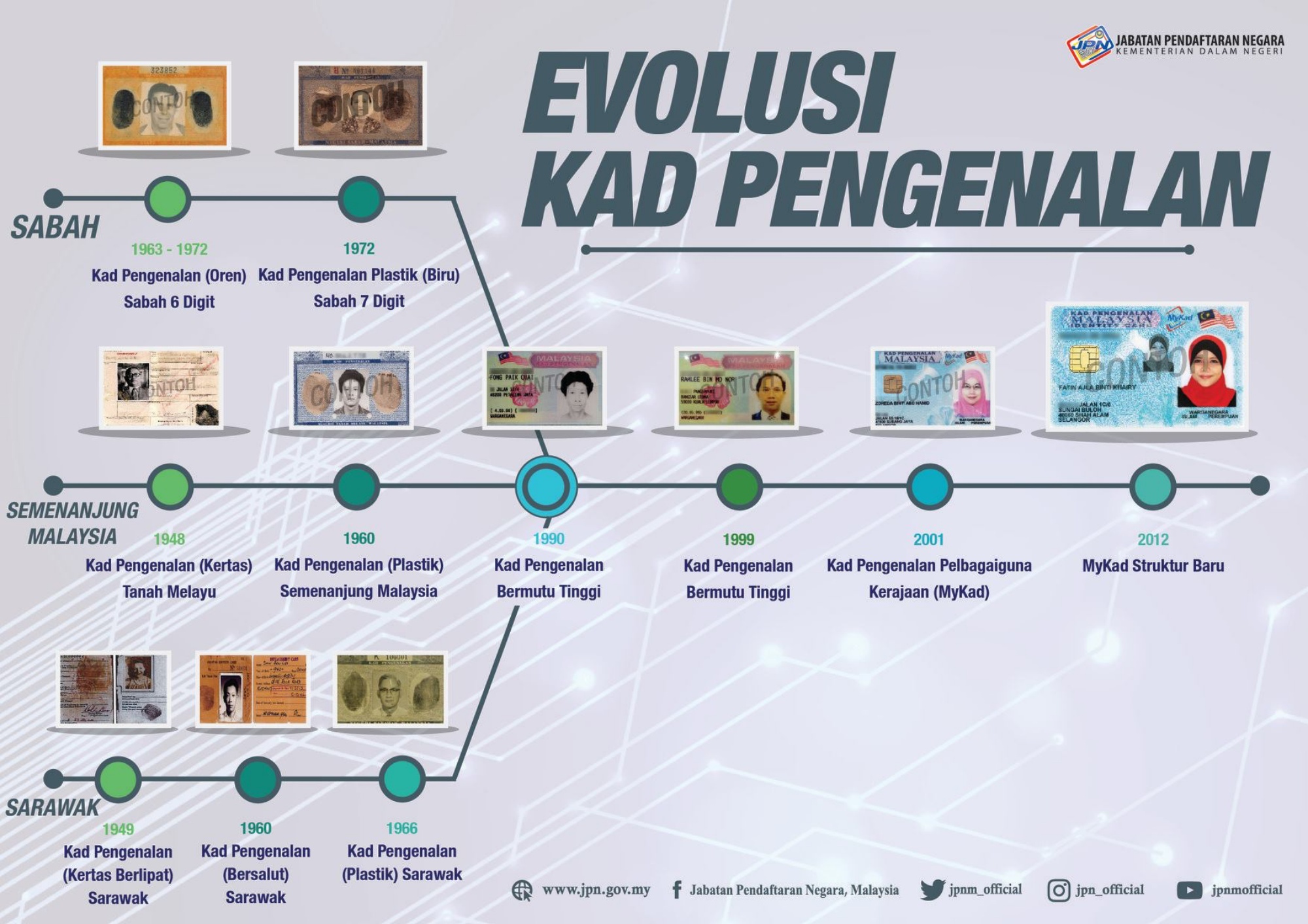
The next generation MyKad, MyTentera and MyPoCA will feature multiple major security and digital upgrades. Of course, the most notable of these is the inclusion of a QR-code verification feature. This allows authorities to instantly confirm the card’s authenticity via a secure digital check.
Other highlights include a more advanced chip and stronger encryption. Beyond that, the card will include upgraded anti-forgery elements such as laser-engraving, improved materials, and enhanced security printing.
Why this matters

According to Saifuddin, this upgrade can be attributed to the growing concerns over forgery, identity fraud, as well as the misuse of personal data. Of course, the digitisation of government services is another factor.
Basically, the new ICs are designed to be stronger and digitally verifiable. The minister asserts that this will help prevent fraud, while also protecting public funds and enhancing borders and immigration controls. Aside from that, the card supports more secure access to subsidies and benefits. Saifuddin also noted that the change will also bring the national identification document system closer to international standards.
What you need to know
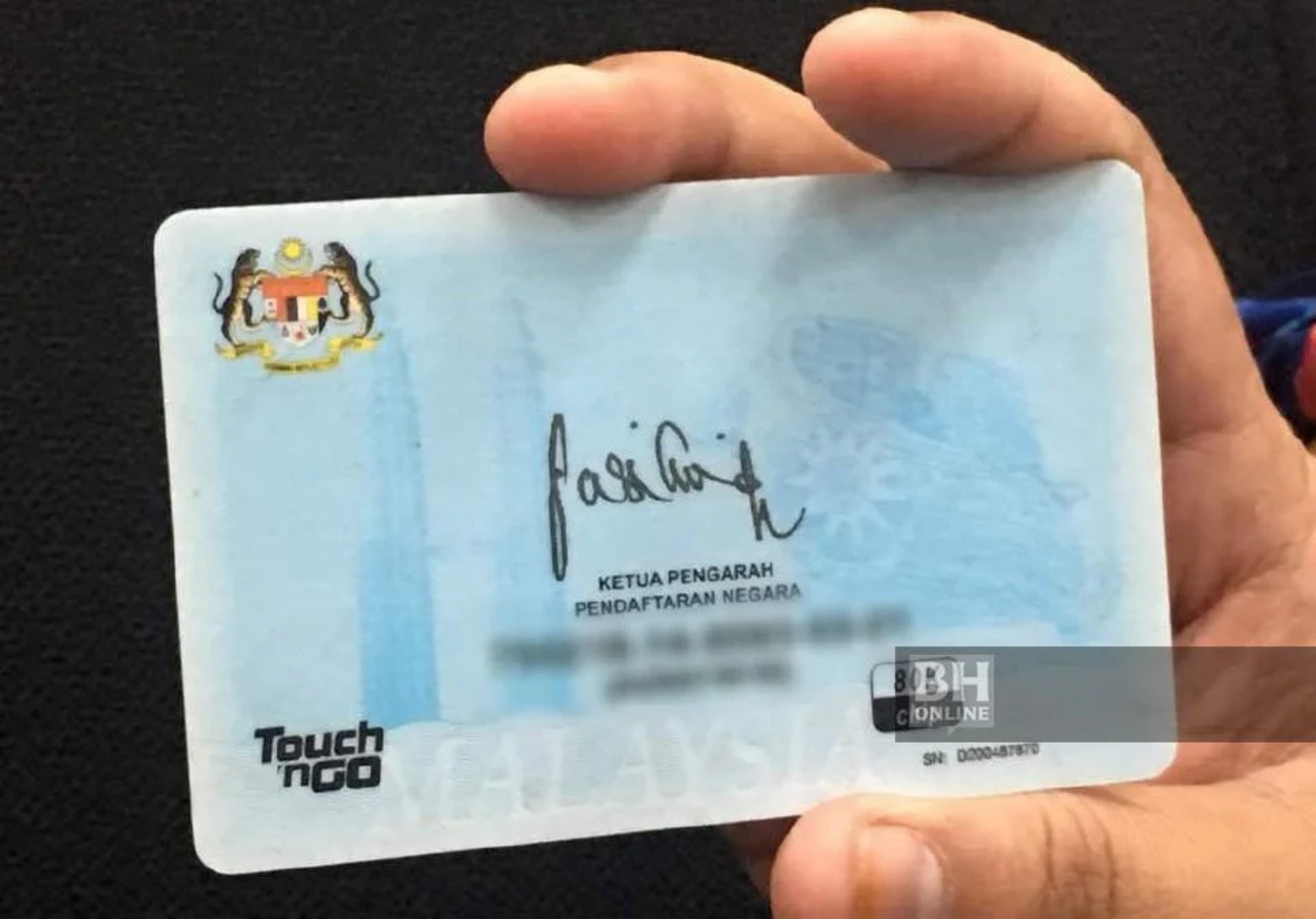
- For starters, there is no rush to upgrade to the new MyKad. For now, the existing ICs will remain valid.
- Upgrading will only be necessary once the government announces a formal transition period, or if the card is due for renewal or replacement.
- The current MyKad will be discontinued eventually, with the date to be announced later.
(Source: The Star)
