
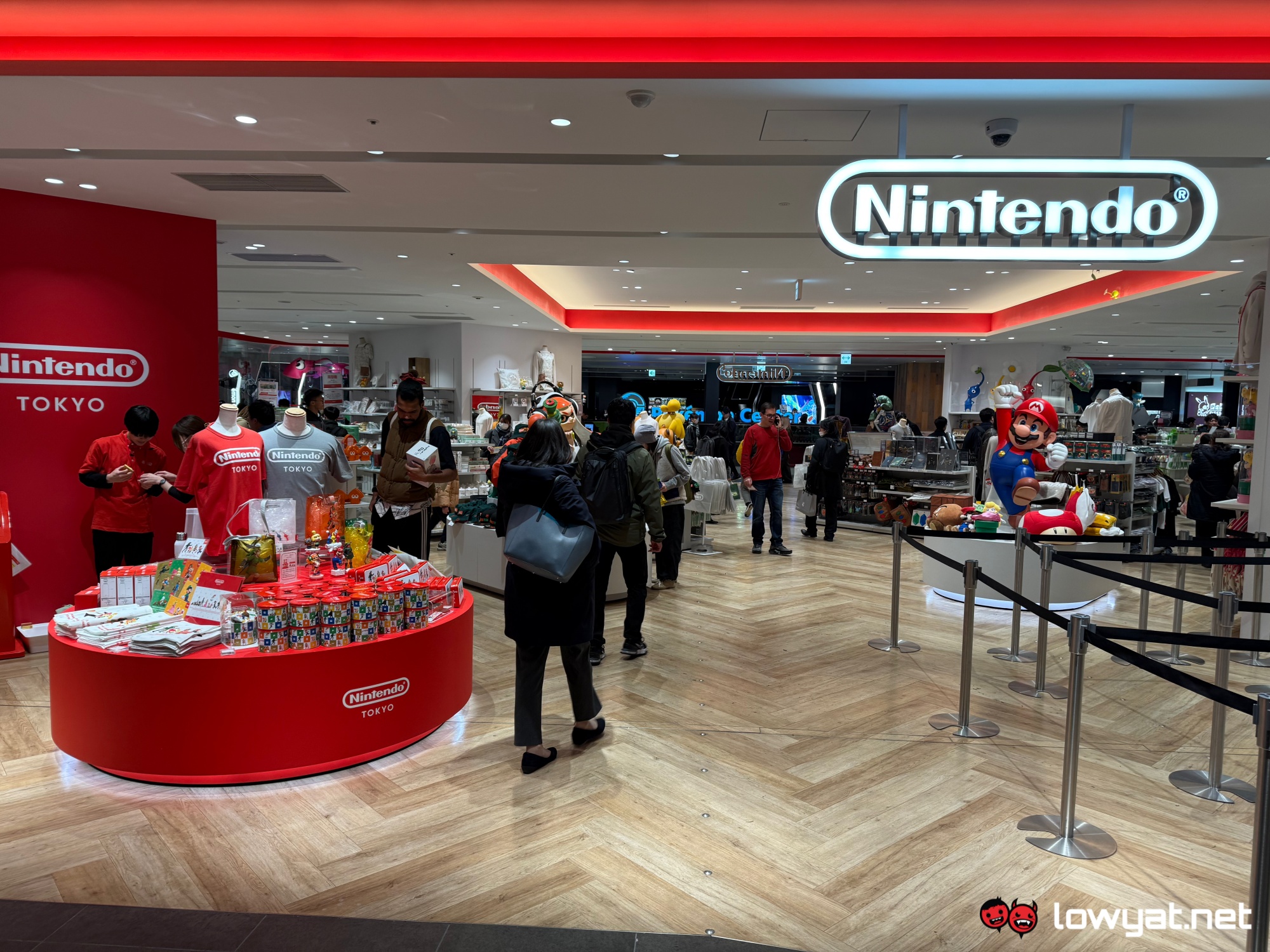
Nintendo has an infamous history of suing people left, right, and centre for one reason or another. Usually, the gaming giant targets companies and/or individuals, but now it’s reportedly setting its sights on the US government itself. However, rather than copyright infringement or something similar, Nintendo is suing the US government over its tariff policy. This lawsuit also includes the Department of Treasury, the Department of Homeland Security and US Customs and Border Protection.
According to Aftermath, the gaming company has filed a lawsuit with the US Court of International Trade, citing a Supreme Court ruling that upheld a lower court’s decision declaring the Trump administration’s global tariffs illegal. The company’s lawyers claim that the “unlawful execution and imposition” of these tariffs have substantially harmed the gaming giant. Not to mention the additional fees Nintendo needs to pay to import its products.
Moreover, per the lawsuit, the company is seeking a “prompt refund with interest” for the tariffs it has already paid. Nintendo did not publicly disclose how much it is claiming, but the lawsuit states that the US government’s actions have “resulted in the collection of more than US$200 billion (~RM793 billion) in tariffs on imports from nearly all countries.”
How Tariffs Affected Nintendo
Nintendo’s lawyers write that “President Trump has executed the unlawful Executive Orders, imposing tariffs on imports from a vast swath of countries.” This matters because the gaming giant largely manufactures its consoles and accessories overseas, in countries such as Vietnam and China. “[Nintendo of America] has standing to sue because it is the importer of record for goods that were subject to IEEPA duties,” the lawyers add.
Aftermath reports that the timing of the tariffs was particularly bad for Nintendo, as the company was preparing to release the Switch 2 console when they were introduced. The move forced the company to delay preorders for the console.
The Art Of The Tariffs
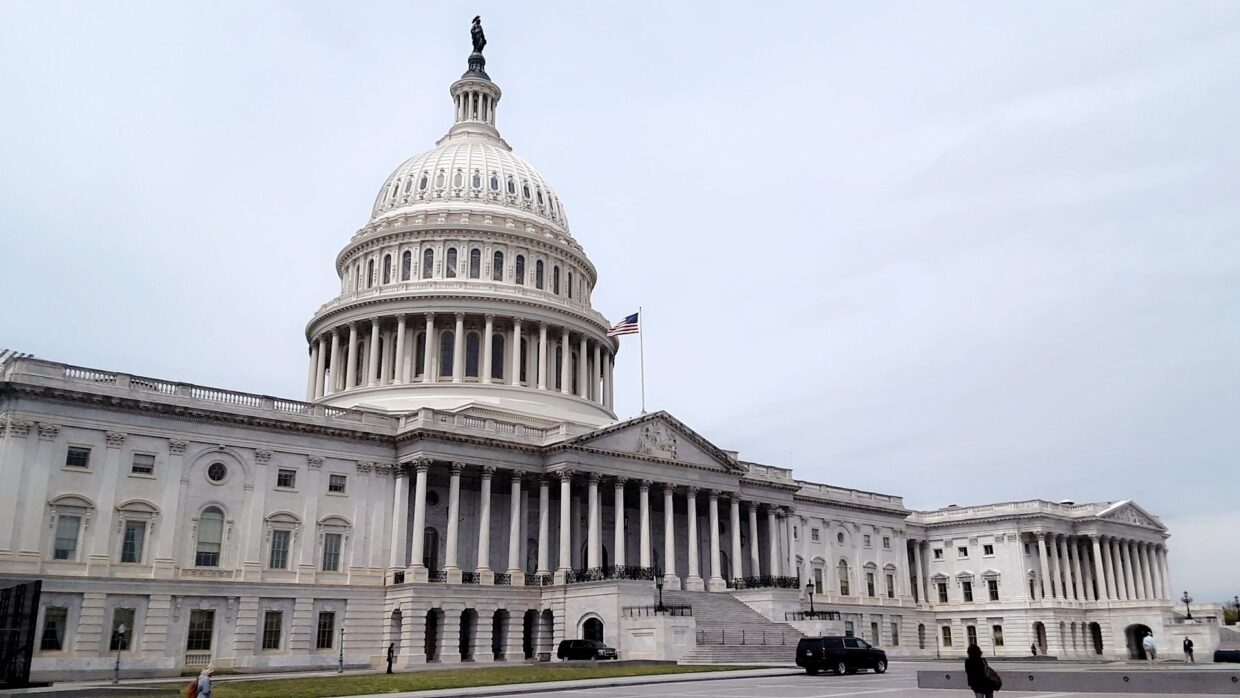
For those unfamiliar with the tariff situation, here is the short version. Traditionally, taxes and trade policies are set by the US Congress. However, Congress can grant the US president the authority to impose tariffs under certain conditions.
During his first year in office alone, President Donald Trump introduced sweeping global tariffs using executive orders and the International Emergency Economic Powers Act (IEEPA). The latter gives the president greater authority during a national emergency.
According to Engadget, the tariffs were largely positioned as a way to punish the Trump administration’s adversaries and gain leverage in negotiations with trade partners. However, many companies passed the increased cost of imports on to customers. Nintendo appears to be among them, having raised the price of the Nintendo Switch in August 2025 in response to “market conditions”.
You Can’t Give What You Don’t Have
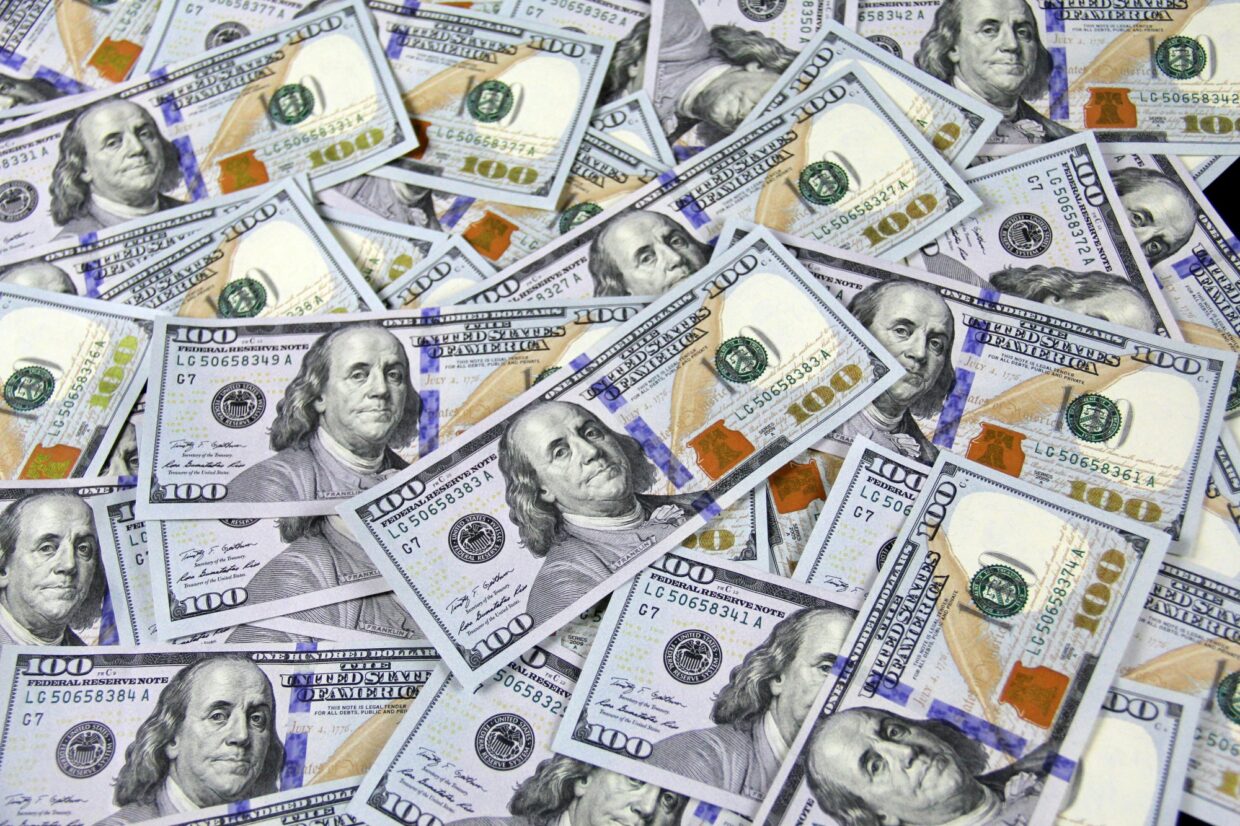
Nintendo isn’t the only company suing the US government and asking for refunds. One of these companies is FedEx, which sued the US government on 24 February and is seeking a “full refund”.
According to CNBC, the US Customs and Border Protection told Court of International Trade Judge Richard Eaton that it has collected US$166 billion (~RM658 billion) in tariffs. Eaton ruled that companies are entitled to refunds, but the agency said it cannot comply with the order immediately. The Guardian reports that Customs and Border Protection is already preparing a system to process the refunds, while the Wall Street Journal notes that the system could be “operational” in about 45 days.
Section 122
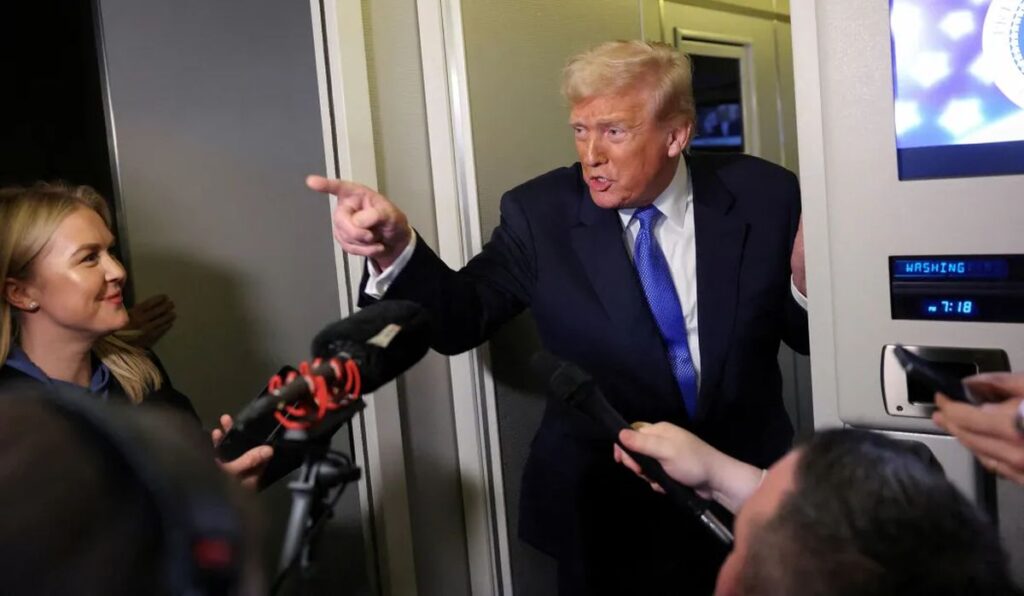
Even though this move is internationally unpopular and widely considered “illegal”, President Trump is exploring other ways to impose tariffs. The New York Times reported that he’s looking into Section 122 of the Trade Act of 1974 to apply pressure on imports.
According to the American Chamber of Commerce in Sweden (AMCHAM Sweden), Section 122 authorises the US president to impose a temporary import surcharge of up to 15% or quotas for no more than 150 days. But he can only impose this when “the United States faces fundamental international payments problems, such as a serious balance-of-payments deficit or rapid dollar depreciation.”
Naturally, this is still a developing story with many moving parts, so we cannot say for certain what effect this tariff will have on the world, or even whether it will go into effect. On Nintendo’s side, we still do not know how much the company is seeking or whether it will receive the full amount. For now, all we can do is wait and see how things play out—not just for Nintendo, but for companies and consumers worldwide.
