
There are no plans to replace the fuel subsidy under the BUDI95 scheme with cash rebates to incentivise a shift to electric vehicles (EVs) or hybrid cars, Finance Minister II Datuk Seri Amir Hamzah Azizan said. He explained that such a move would alter the core purpose of the subsidy, which is designed to remain targeted at Malaysians who still depend on internal combustion engine vehicles.
Speaking during the Dewan Negara’s oral question-and-answer session, Amir Hamzah said the primary objective of BUDI95 is to transition from a blanket fuel subsidy to a targeted one. He was responding to a question on whether the BUDI95 fuel quota encourages a shift to electric or hybrid vehicles and if cash rebates could be offered as an alternative incentive.
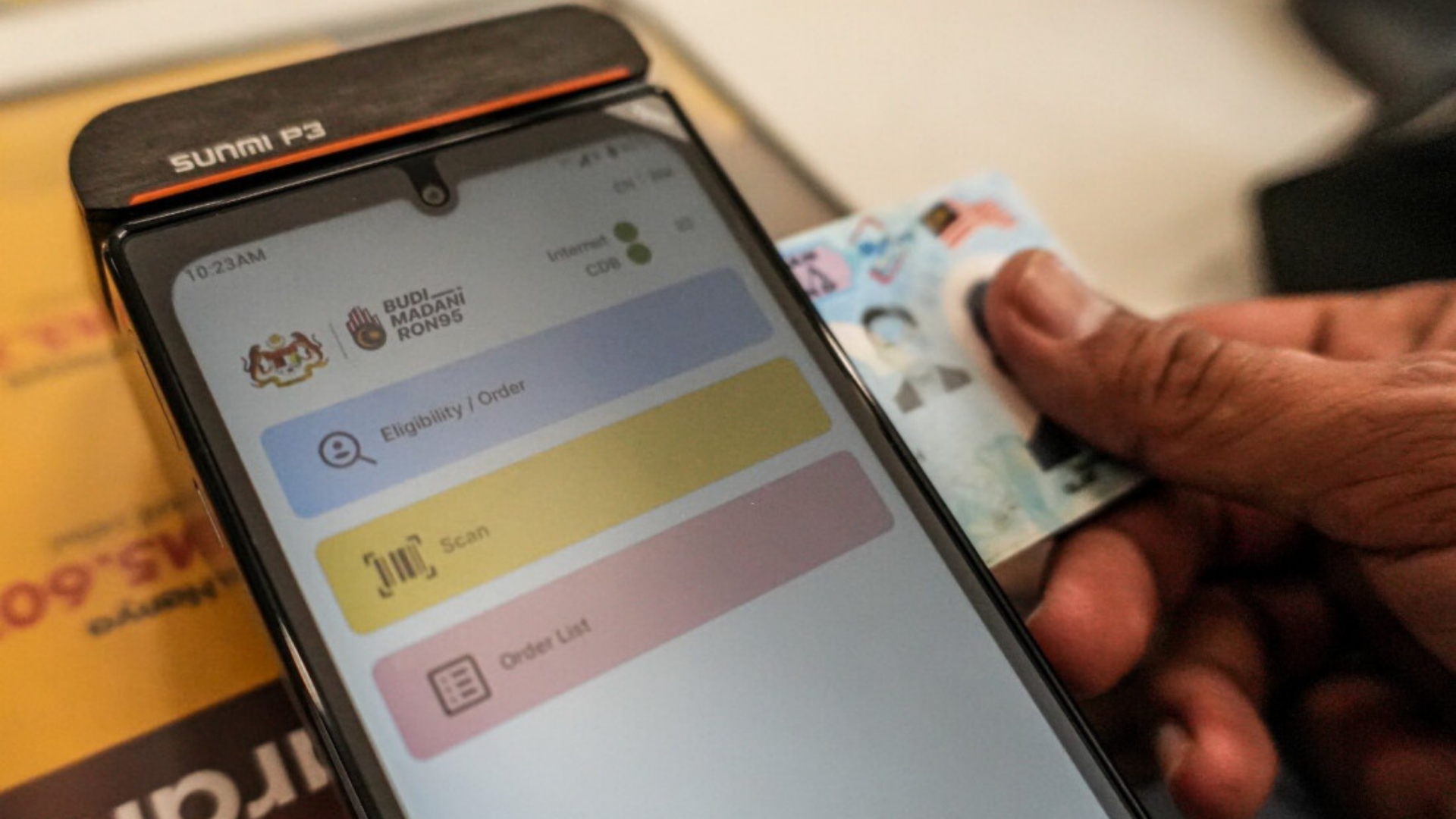
Amir Hamzah added that separate policy frameworks are already in place to encourage Malaysians to transition to hybrid and electric vehicles, including the expansion of charging infrastructure and the implementation of the National Automotive Policy. He said this approach is intended to ensure that each policy achieves its respective objectives without overlapping or conflicting with others.
Recapping the details of the BUDI95 scheme, Amir Hamzah noted that e-hailing drivers are allocated a higher fuel quota of 600 to 800 litres, compared with 300 litres for other eligible Malaysians. He added that eligibility under the scheme is limited to Malaysian citizens who hold a valid Public Service Vehicle (PSV) driving licence and an active e-hailing permit.
To prevent subsidy leakages to inactive or unauthorised drivers, all e-hailing operators (EHOs) are required to submit accurate, complete and verified monthly trip records to the Land Public Transport Agency (APAD) and the Commercial Vehicles Licensing Board (LPKP) at the start of each month. Drivers who fail to meet the minimum travel activity based on the stipulated travel distance in the previous month will not automatically qualify for additional eligibility.
(Source: Bernama)
