
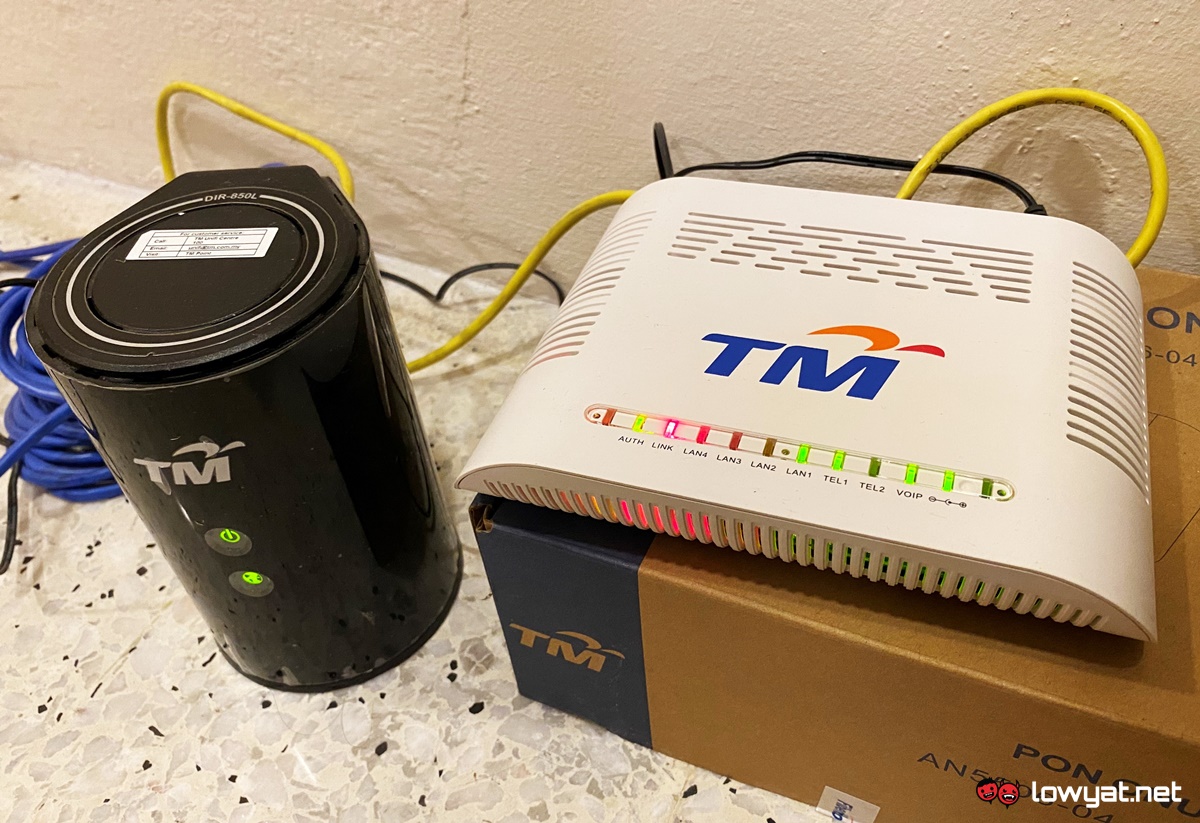
“My signal so strong, but connection is still so S*%$. How come?”
“That router has so many antennas, but still can’t get a good signal in the !”
“I sign up for such fast internet package, so how come my Wi-Fi is still slow?”
It’s already 2026, but you’ve probably uttered these words at some point in your life, or are still hearing your technologically challenged friends and family making these comments. Wi-Fi is the one luxury – some would argue necessity – that we can’t live without. These days, it’s the first thing we usually ask wherever we go, be it at the hotel, restaurant, or in the house of a friend or family member.
The problem with this scenario, however, is that whenever something goes wrong with Wi-Fi connectivity or the internet, we’re all a little too quick to blame the hardware before finding out that there could be other reasons at play here, some of which are the misconceptions on this list.
More Bars = Faster Speed
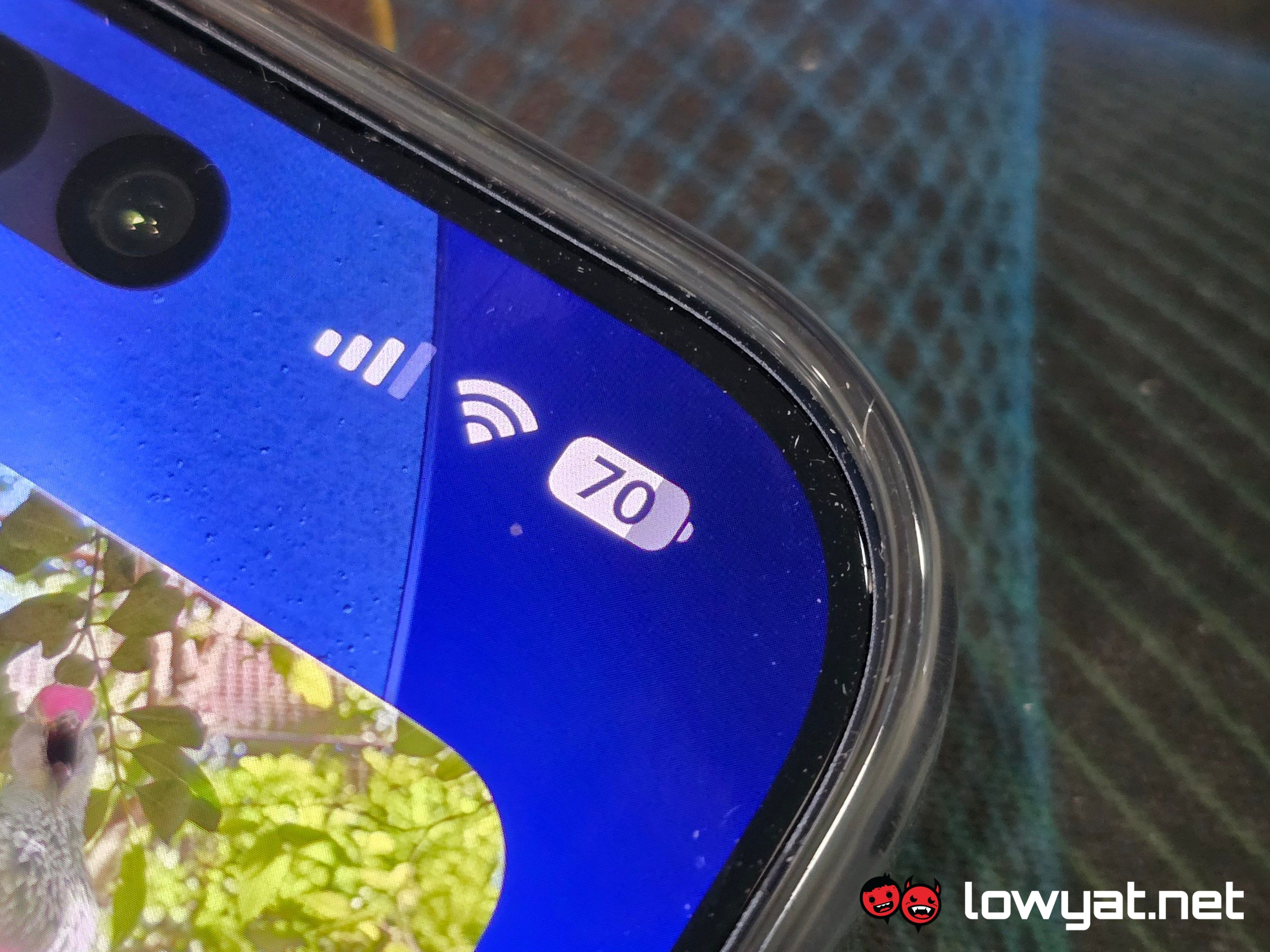
The Misconception: If your device shows full Wi-Fi signal bars, you’ll get maximum speed.
The Reality: Thisis the simpler of the misconceptions. Having full bars is merely an indication that your Wi-Fi’s signal strength is strong, not how fast your internet speed is. If a network is congested, your broadband is slow, or you have router limitations, those can affect your Wi-Fi speeds.
Repeat after me: Correlation does not equal causation.
Wi-Fi and Internet Are the Same
The Misconception: If the Wi-Fi is working, then the internet must be working too!
The Reality: Sometimes, this just gets to me, either for lack of understanding the difference between the two or willful ignorance about it. Wi-Fi is the medium through which your device connects to the router, which is connected to the modem, which is what gives you your internet, technically. If your internet service (ISP) is down, your Wi-Fi can still be on, but without internet access.
More Antennas = Better Wi-Fi

The Misconception: The more aggressive-looking the router and the more antennas on it, the better Wi-Fi.
The Reality: No. Just no. Antennas are designed to provide signal directionality and coverage. How well they perform really depends on the additional technology that the router’s manufacturer is willing to put into each component, which in turn increases the quality of the product, which increases or creates a new tech standard, which in turn increases the price of the product.
Wi-Fi Is Safe from Interference
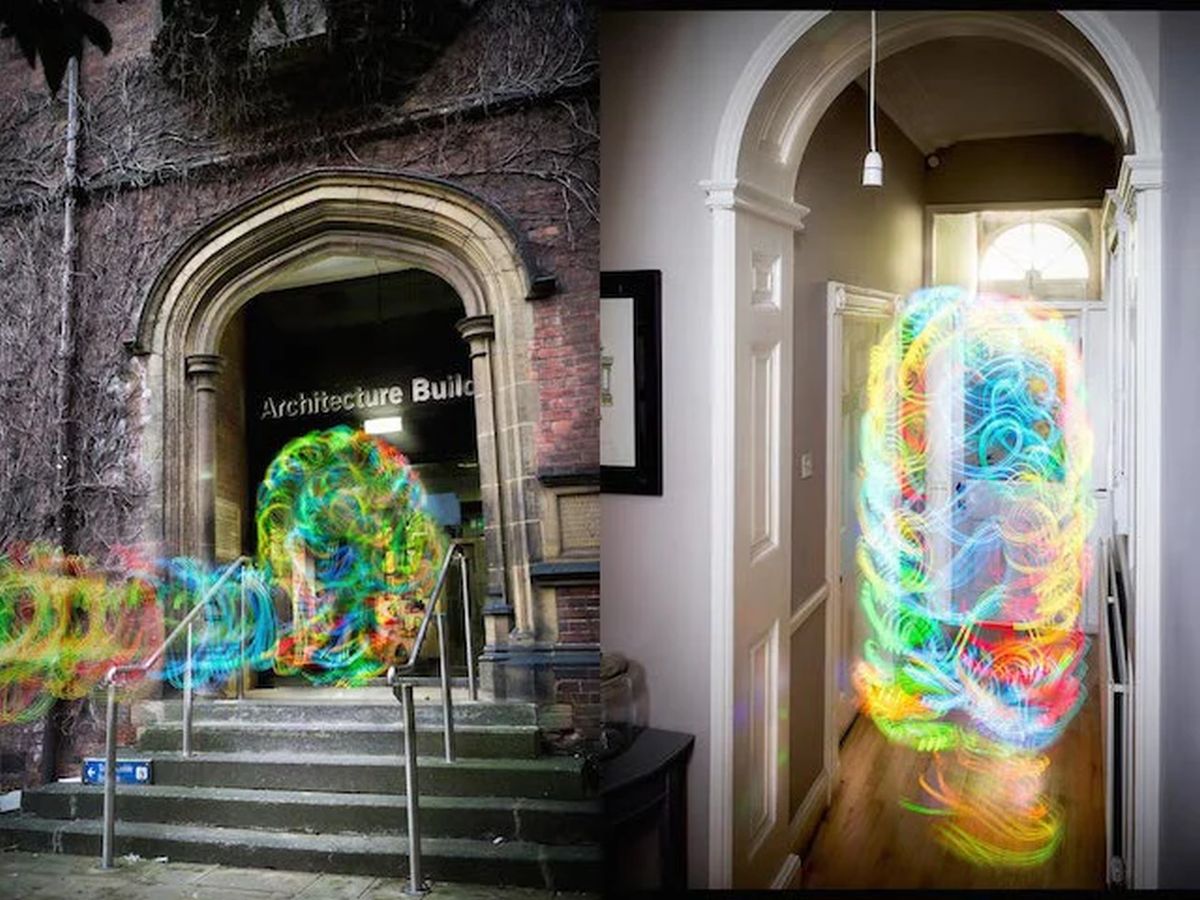
The Misconception: Your Wi-Fi connection is safe from outside interference, and safe as long as only you know the password and username.
The Reality: Interference is a broad term for this scenario. Your Wi-Fi signals can still be affected by things like microwaves, or neighbouring Wi-Fi networks, especially since they tend to share a crowded 2.4 GHz band. The latter is typically used due to its longer range and better penetration through walls, but is nevertheless still vulnerable, as is the faster 5GHz bandwidth, for that matter.
Faster Internet Plan = Faster Wi-Fi
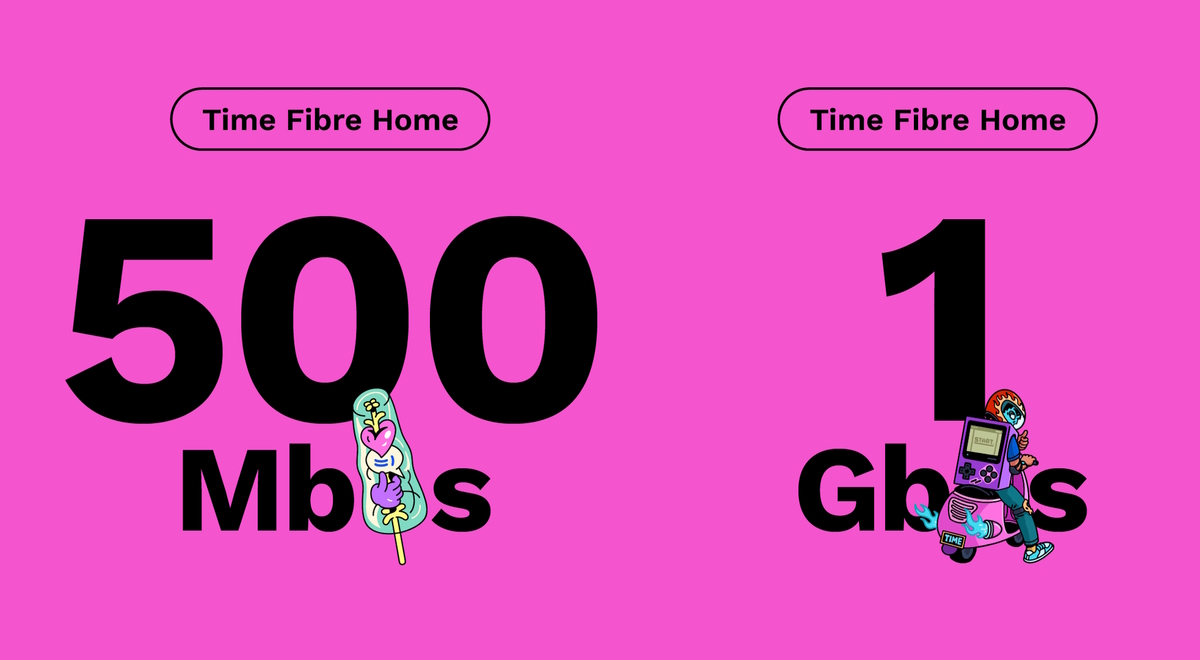
The Misconception: Upgrading your internet plan guarantees faster Wi-Fi speeds.
The Reality: Just because you’ve gotten yourself the full fat 1Gbps line for your home, if the hardware is not up to snuff, you’re not going to be able to enjoy it at full speed. While the router that is provided by your internet service provider may be capable of reaching said speeds, you are still at the mercy of the Wi-Fi module installed on your device.
And that’s before you take into consideration the congestion caused by too many people downloading and/or streaming all at once.
Wi-Fi Should Work The Same No Matter Where I Am In The House
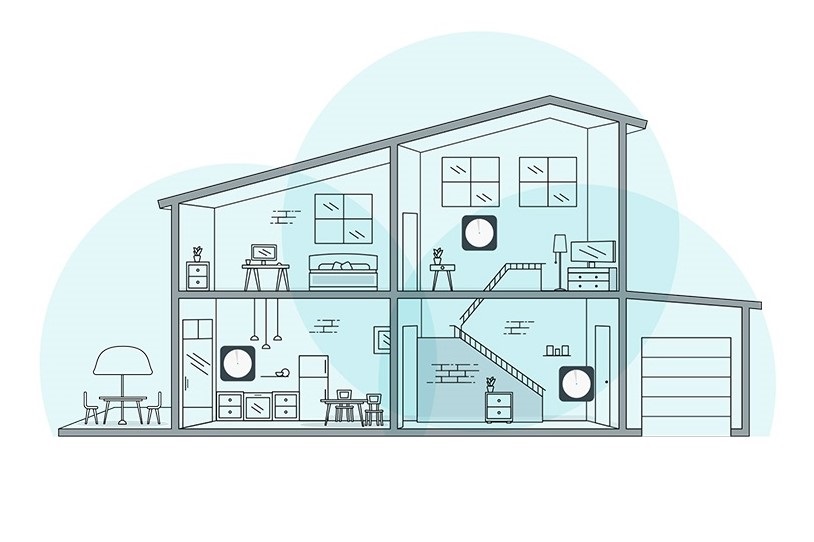
The Misconception: One router to rule the roost, literally.
The Reality: Not technically wrong, but there are multitude of factors that come into play here. Namely, walls, floors, as well as the distance of the router from the farthest room in the house. Combine all these flaws, and what you have is a recipe for weak and crippling Wi-Fi signals. This is where Mesh systems or extenders come in, and placing them in strategic places around the house ensures that your Wi-Fi signals are optimal.
Public Wi-Fi Is Safe with HTTPS
The Misconception: As long as a site uses HTTPS, you’re safe on public Wi-Fi.
The Reality: Generally, https sites are safe, due to the extra layers of encrypted data but what you need to understand is that only the connection between your browser and webserver is encrypted. Public Wi-Fi is still risky, and hackers can still perform man-in-the-middle attacks by setting up fake hotspots or use sniffing tools.
If you really plan on staying safe, you could consider using a Virtual Private Network (VPN). VPNs create “tunnels” for your internet traffic and even mask your IP address. Mind you, you’re still not fully anonymous, but you are, at the very least, provided some form of protection.
Wi-Fi Doesn’t Need Maintenance
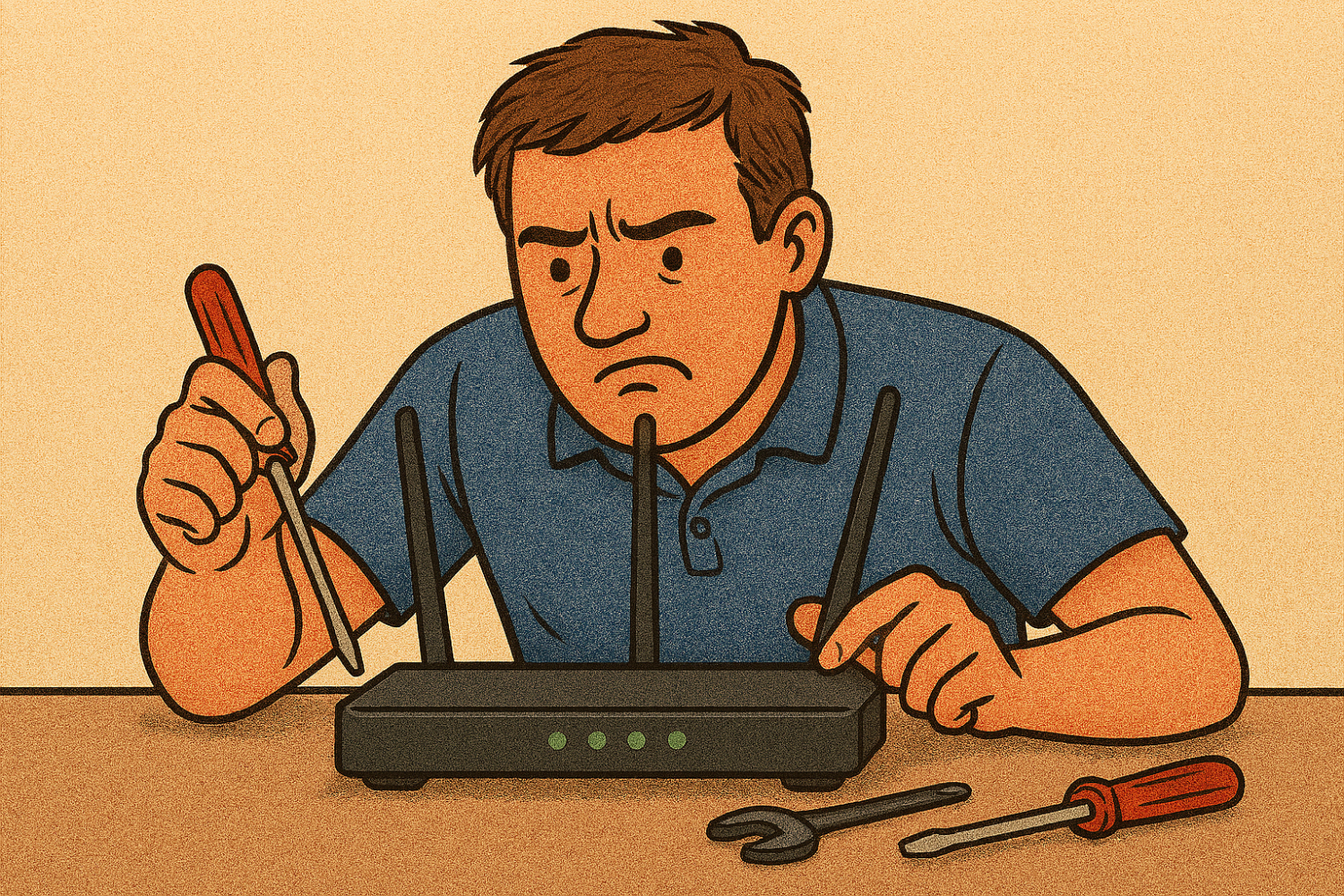
The Misconception: Wi-Fi is a one-and-done thing. Once it’s set up, you can forget about the thing until it becomes a nuisance.
The Reality: I want to say that I understand why people think like this, especially when almost all of them know that this is inherently untrue. Wi-Fi isn’t some magical concept, it is a wireless connectivity technology that is emitted by hardware.
And like all pieces of hardware and technology, the components that make up the main product suffers from wear and tear. Internally, firmware for routers also need to be constantly updated, as patches do provide improved security and performances. Like everything else, routers need occasional firmware updates for performance and security. Oh, and the occasional reboot may be required over time.
As an extra bonus, and of course, who can forget that recent yet already classic bit of misinformation…
Bonus #1: 5G Wavelengths Cause Cancer And Allow Governments To Control You
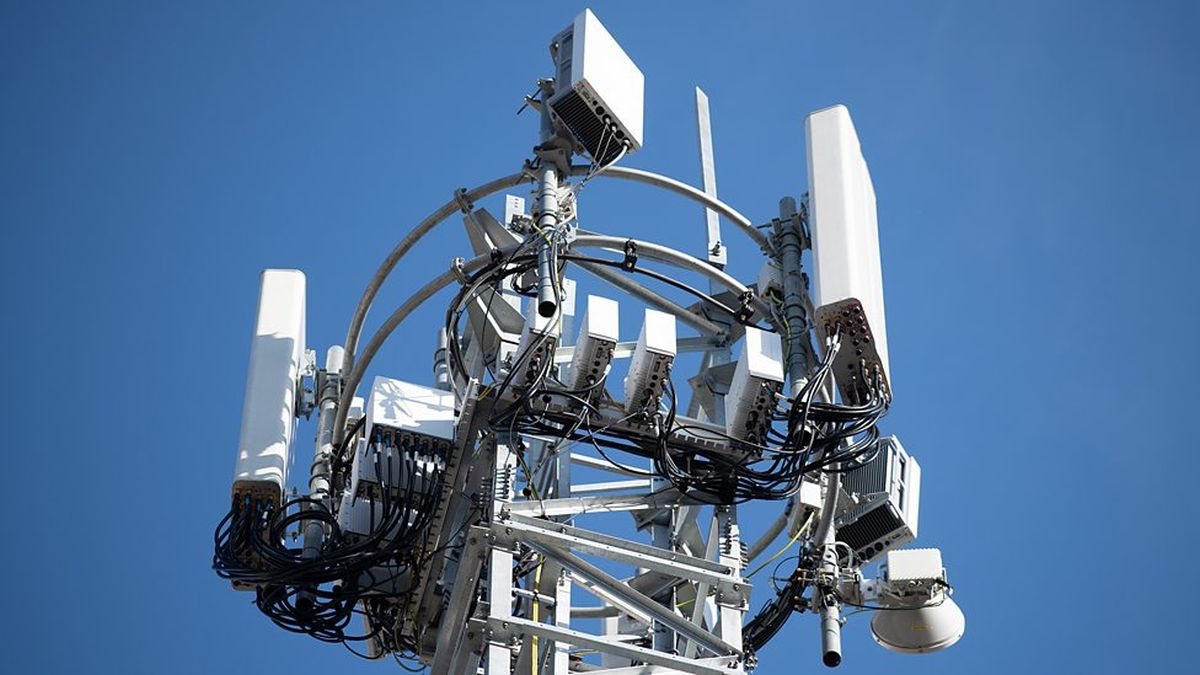
The Misconception: 5G mobile signals are deadly, and the wavelength it rides on can cause cancer with through prolong exposure. The world governments also want to control you via 5G, and they are using the “plandemic” to control your thoughts.
The Reality: There are times when even I am left in a state of disbelief, brought on by the absolute horse s#&% that conspiracy theorists like to spew from that cavernous, gaping hole in their face that they call a mouth. This is one such time.
Let’s be clear: This. Is. False. This all started, got reignited with another conspiracy theory, and that was the COVID-19 pandemic. Around the time the pandemic was in full swing and the vaccine was being developed, some gaping anuses began spreading misinformation, saying that the vaccines had “microchips” inside them, and that once you had these inside you, you would be “controlled” by the government via 5G.
You’d think that this form of misinformation would go away, but sadly, no. Some folks who, let’s be really honest here, are blithering idiots and easily influenced, began wreaking havoc. In the UK and Canada, these sceptics vandalised 5G towers, burning them down. In Australia, many anti-vaxxers took to the streets, protesting the microchip hoax.
Bonus #2: Faraday Cage Hoax
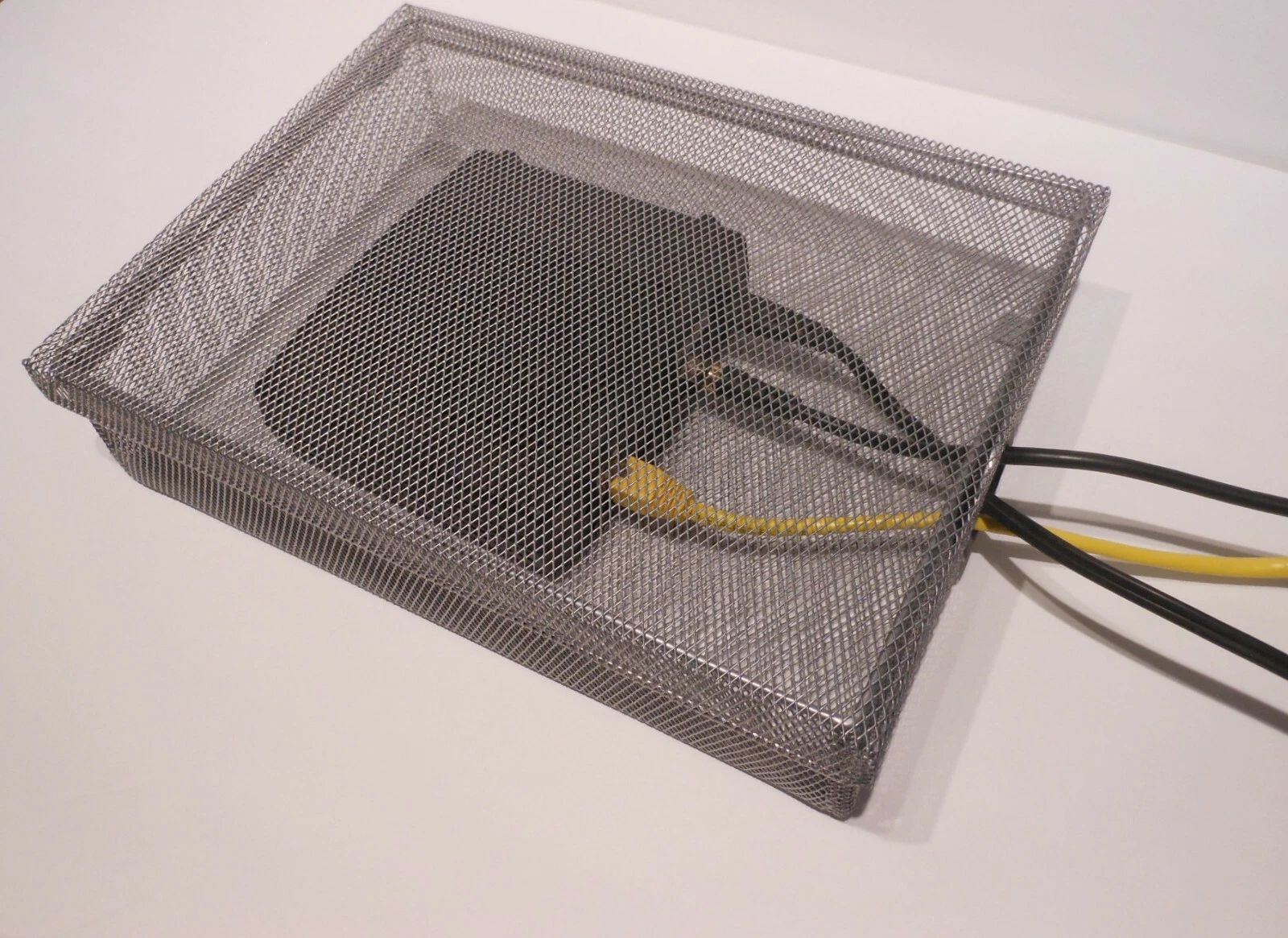
The Misconception: You can shield yourself from the nasty Wi-Fi and 5G signals by putting a Faraday Cage around it.
The Reality: Ah yes. The Faraday cage Wi-Fi hoax, which is honestly the single dumbest form of hypocrisy and contradiction. Basically, the idea is that you put a Faraday cage around your routers, thus blocking off or hampering the “dangerous” and “harmful” waves from spreading around your home.
What you are effectively and literally doing is disrupting and preventing the Wi-Fi signal of your router from reaching your devices, because that’s what a Faraday cage does. The fear of 5G signal waves stems from a hoax that the wireless technology emits harmful radioactive waves.
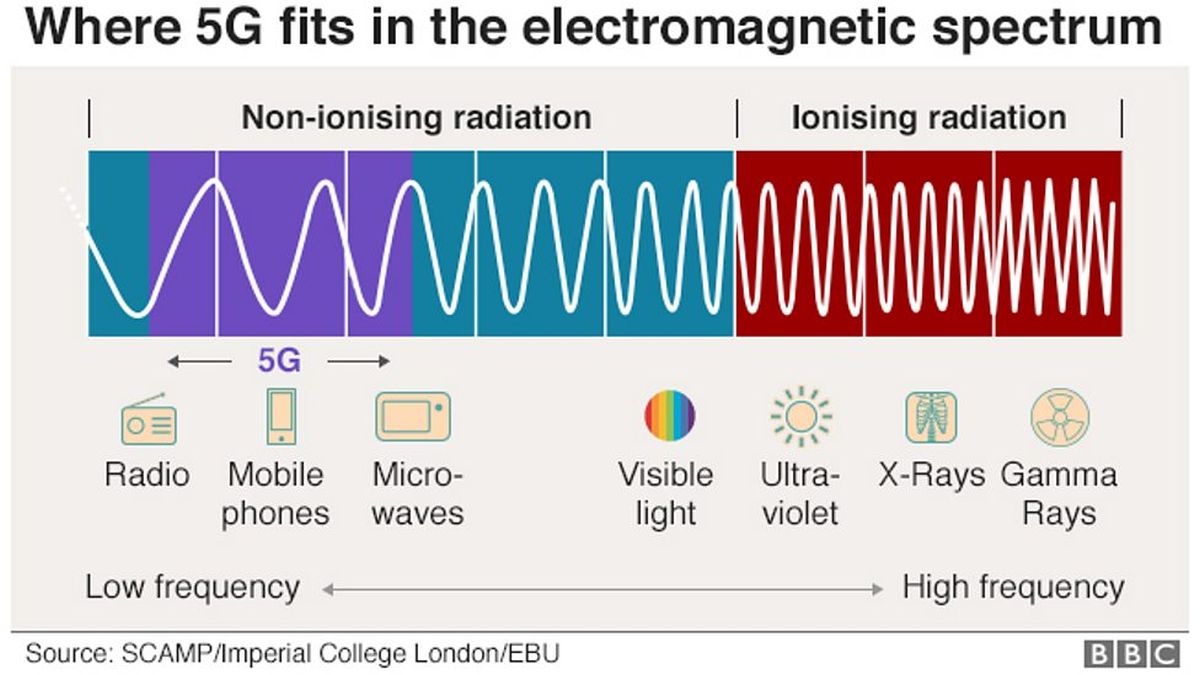
What they are referring to is the electromagnetic spectrum that, for the sake of this rant, can be summarily divided into two categories, non-ionising radiation and ionising radiation. The former is where 5G fall under, along with the visible light that we see.
The latter is where ultraviolet (UV) light, X-Rays, and Gamma Rays, all fall under, and are the ones that would can make you very, very ill.
