
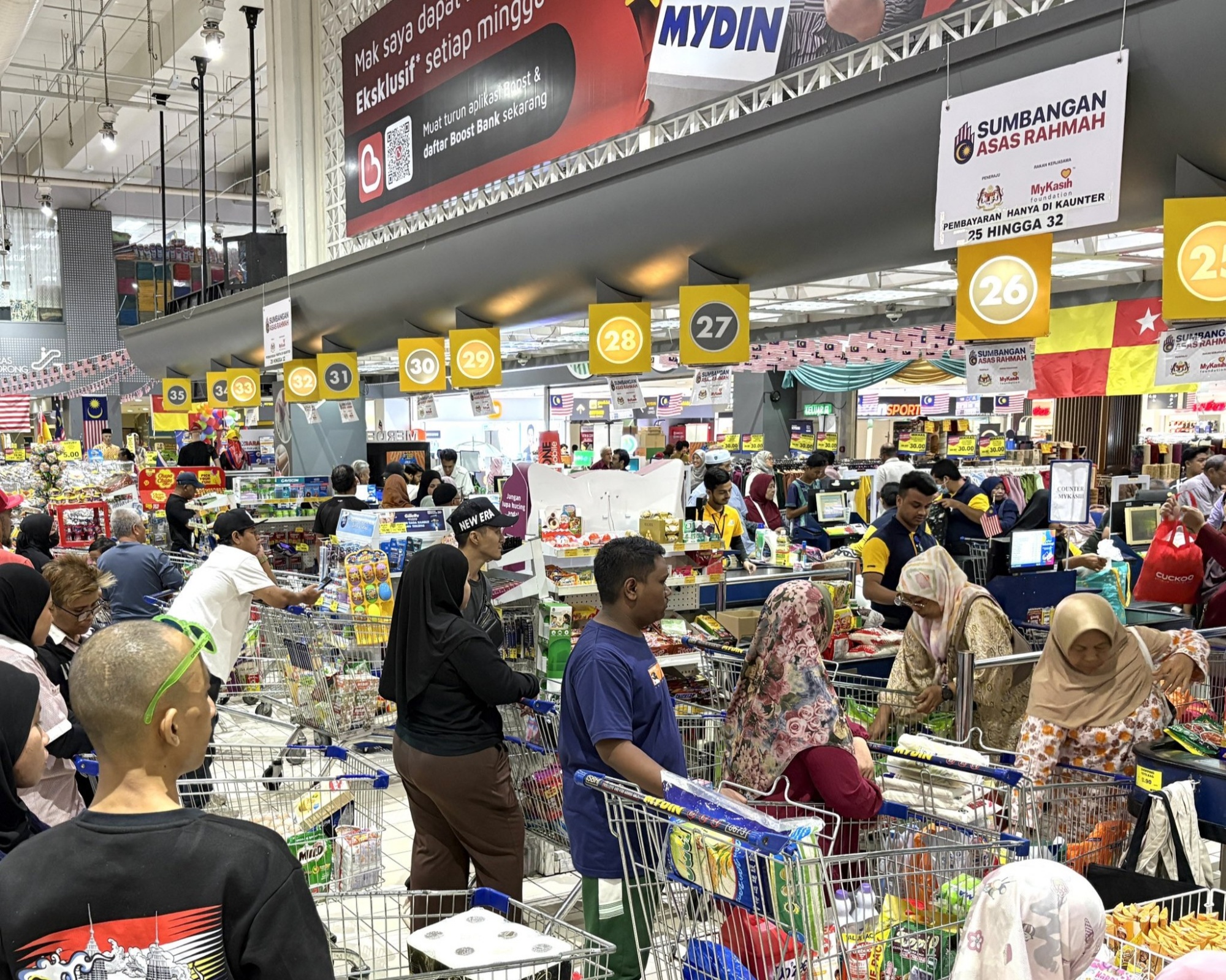
The one-off RM100 SARA aid that’s slated to be distributed on 9 February 2026 will be automatically credited to all eligible recipients’ MyKad, said Finance Minister II Datuk Seri Amir Hamzah Azizan. He revealed this during ministerial question time in Dewan Rakyat earlier today, and reiterated that the government has allocated RM2.2 billion for this allocation.
Amir Hamzah said Malaysians can check their eligibility status starting today through the SARA portal at sara.gov.my. As before, recipients can use the allocated funds, usable until 31 December 2026, at participating merchants by simply using their MyKad. According to the portal, the one-off RM100 SARA aid can be used to purchase rice, eggs, bread, cooking oil, biscuits, instant noodles, flour, beverages, condiments, canned food, personal care products, medicines approved by the Ministry of Health, school supplies, and household cleaning products.
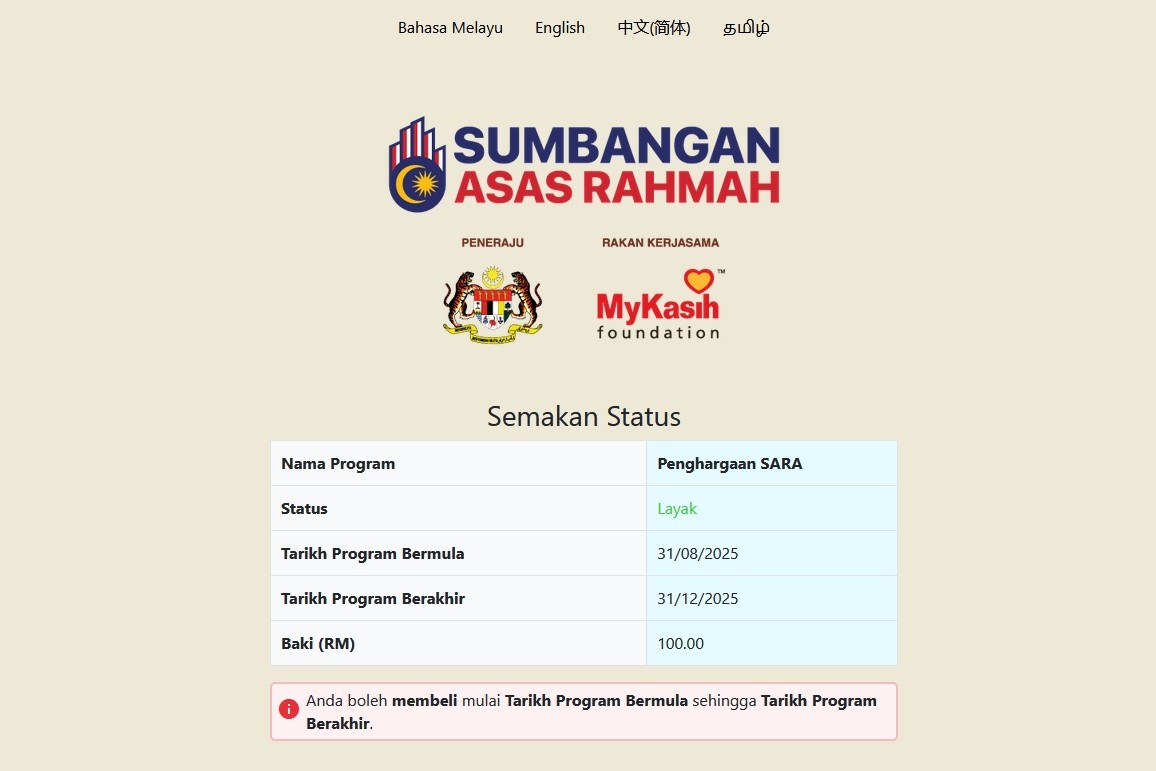
To recap, SARA is a cashless aid programme that the government introduced to strengthen Malaysia’s social safety net. The initiative currently includes two components: a monthly targeted assistance programme for vulnerable groups, and a one-off RM100 assistance for all Malaysians aged 18 and above. This upcoming distribution was announced by Prime Minister Anwar Ibrahim during the Budget 2026 tabling back in October of last year.
Amir Hamzah said that in 2025, nearly 5.6 million monthly SARA recipients used their MyKad to purchase essential goods at registered premises, reflecting a utilisation rate of 99%. He added that the total transaction value reached RM4.8 billion out of the RM5 billion allocated.
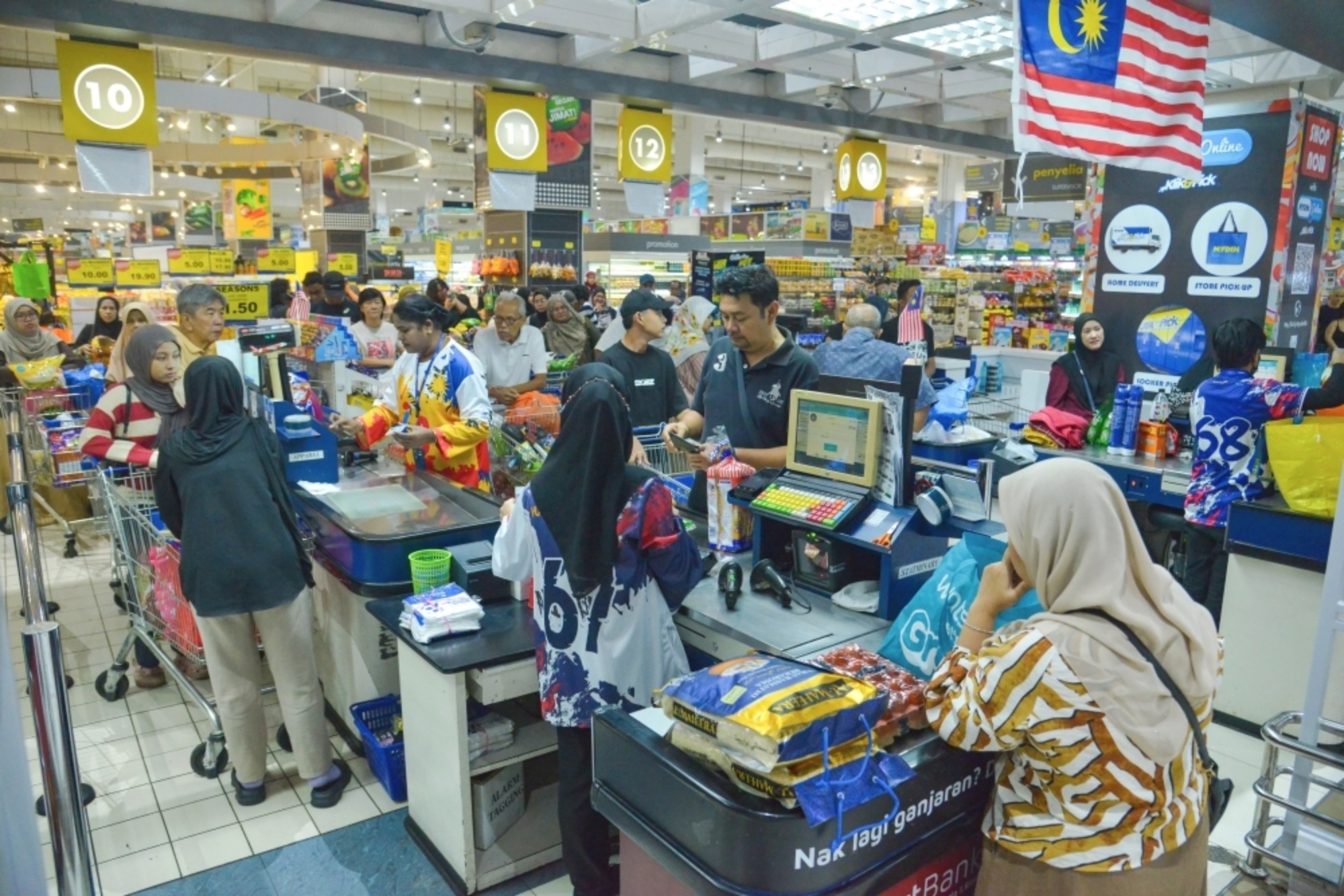
For the earlier one-off SARA programme in September, the minister noted that more than 21 million Malaysians, or 96% of total recipients, made purchases. These transactions generated more than RM2.05 billion in spending in the local market.
Amir Hamzah said RM150 million from the last one-off SARA aid remains unclaimed. The government will reallocate these funds to targeted groups, including residents of protection centres and students with disabilities and special needs, as well as for medical devices for poor patients and the establishment and strengthening of student food banks.
(Source: The Edge Malaysia)
