
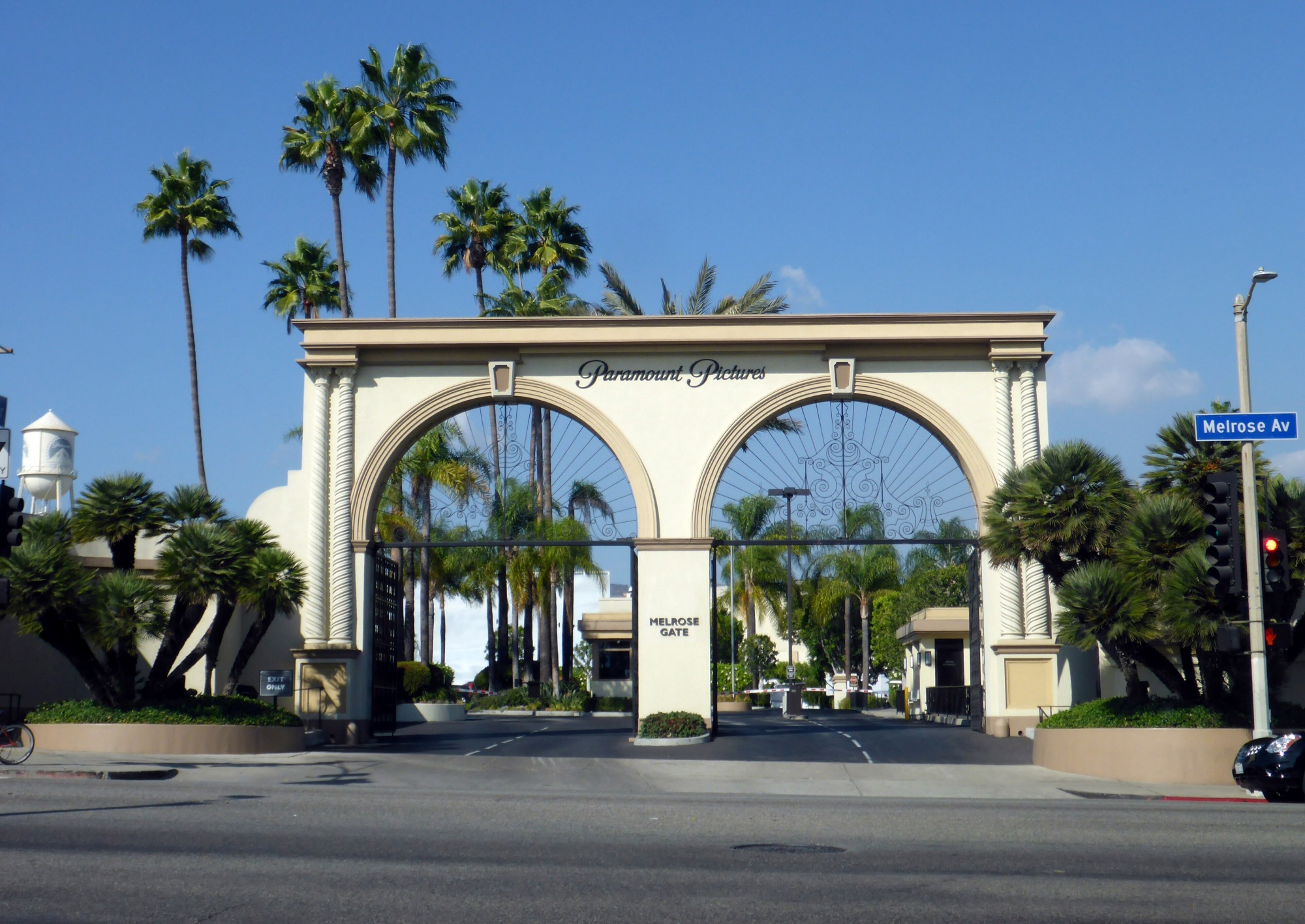
The bidding war for Warner Bros. Discovery (WBD) is now over (for now, at least). The multinational mass media entity officially announced that the David Ellison-owned Paramount Skydance will acquire the conglomerate in its entirety.
After months of discussions, WDB’s board of directors finally determined that Paramount Skydance’s latest offer, which currently stands at US$111 billion (~RM432 billion), is the superior choice compared to Netflix’s US$83 billion (~RM323 billion) bid. For reference, Netflix was offering to pay WBD US$27.75 (~RM108) per WBD share, while Paramount is offering to pay US$31 (~RM121) per share. Oh, and both offers are in cash.
Netflix Out Of The Picture
WBD gave Netflix four business days to match Paramount’s offer, but the streaming giant immediately declined. In an official press release, Netflix co-CEOs Ted Sarandos and Greg Peters said that their platform “would have been strong stewards of Warner Bros.’ iconic brands, and that our deal would have strengthened the entertainment industry and preserved and created more production jobs in the US.” The second half of the statement addressed an earlier concern that, if the streaming service managed to acquire WBD, many would lose their jobs and that artists would have less creative control over projects.
“The transaction we negotiated would have created shareholder value with a clear path to regulatory approval,” the Netflix co-CEOs added. “However, we’ve always been disciplined, and at the price required to match Paramount Skydance’s latest offer, the deal is no longer financially attractive, so we are declining to match the Paramount Skydance bid.”
DIfference In The Deal
If you’re just tuning in on the drama, here’s a bit of context to bring you up to speed. Prior to all this, Netflix was the leading bidder to acquire WBD at one point, with an initial offer of US$72 billion (~RM280.2 billion). But the streaming giant was only interested in the conglomerate’s streaming and studio assets, which include HBO Max and Warner Bros. film, TV, and game studios. Despite this, WBD still accepted the deal.
Out of nowhere, Paramount Skydance launched a hostile bid of US$108.4 billion (~RM421.9 billion) in an attempt to stop the merger. What sets this apart from Netflix’s offer is that it’s all for WBD. This includes the company’s cable channels (Global Networks), which are Discovery, CNN, Cartoon Network, and more.
Funnily enough, WBD initially rejected Paramount’s proposal, citing that it already has accepted Netflix’s offer. However, Paramount amended its offer and tried again. Additionally, the Ellison-owned company argued that its offer had fewer regulatory issues compared to Netflix, but more on that later. After this, Paramount and Netflix continued to compete with each other over the past few weeks before WBD’s board of directors finally settled on Paramount’s terms, which brings us to today.
Issues With Netflix’s Acquisition Plans

Believe it or not, the reaction to Netflix planning to acquire WBD was unfavourable, to say the least. Many voiced their concern on how this would affect the industry moving forward. Some claimed that, if the deal goes through, the streaming can withhold WBD content from rival platforms. Others said that the acquisition might affect theatrical distribution, while some worried that the company might monopolise the industry. That’s not to mention the regulatory speed bumps that it could face along the way.
Moving Forward
It’s worth noting that WBD has yet to formally accept Paramount’s deal. Though, if the two companies set things in stone (which seems almost certain now), here’s what will happen. Under the original agreement, WBD would have to pay a US$2.8 billion (~RM10.90 billion) termination fee to Netflix to end its existing contract. Paramount, in its latest offer, has agreed to cover that breakup fee.
As mentioned earlier, the company will acquire the entirety of the century-old studio, including its production studios, streaming service, games and entertainment divisions, and linear television networks. Under the terms of the deal, Paramount will also assume WBD’s US$33 billion debt. Additionally, Larry Ellison, father of David Ellison, has agreed to provide the additional equity needed to complete the company’s bid.
New Entity, New Problems
We mentioned earlier that if Netflix were able to acquire WBD, it would allegedly stifle artists’ creative control, leave many people unemployed, and potentially create a monopoly. But we haven’t really discussed what the consequences would be if Paramount successfully acquired the multinational mass media entity.
Business Insider reported that WBD is concerned about a potential mass exodus of employees if Netflix loses the bid to Paramount. This concern arises because Paramount promised investors significant cost savings, which could result from workforce and headcount reductions. WBD fears it might experience “substantial losses of employees and talent during the pre-closing period.”
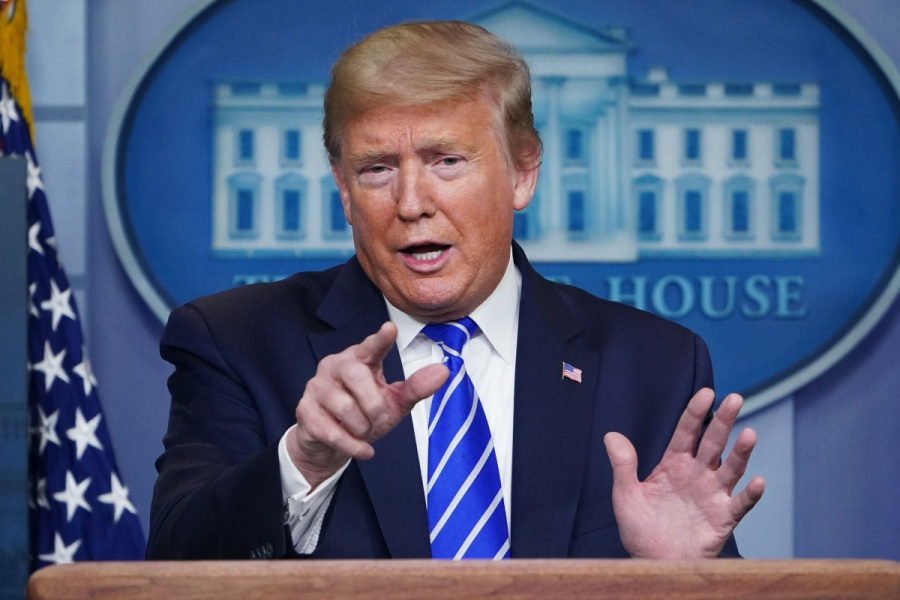
On the political side, TechCrunch noted that David Ellison’s ownership of CBS has gained notoriety for being largely sympathetic to the Trump administration, with Larry Ellison serving as a major donor and supporter of the current president. And since the acquisition will also include CNN, many are understandably worried about how politically biased these news outlets might become. In light of recent events, CNN CEO Mark Thompson urged his employees to not “jump to conclusions about the future until we know more.”
We have to agree with Thompson here. We can speculate about the potential ramifications of this merger all we want, but unless we have concrete evidence, it’s best not to dwell on what might not come to pass. The best we can do now is observe how things will play out. Who knows? maybe another company might launch another hostile bid like what Paramount Skydance did a few months back.
(Source: Warner Bros. Discovery, Netflix)
