

Valve is testing a new feature for Steam that gathers frame rate (FPS) data based on users’ hardware, potentially allowing the platform to estimate how well games will run on specific systems. The company confirmed in a recent client update that the feature is currently in Beta, with early testing focused on devices running SteamOS. While there is no confirmed timeline for a wider rollout, the end goal appears to be integrating these estimates directly into store pages.
If implemented well, this could be a meaningful addition for gamers trying to determine whether a title will run smoothly on their SteamOS devices. It becomes especially relevant for devices with tighter performance margins, such as gaming laptops or handheld consoles, where hardware limitations are more pronounced. Having a reliable FPS estimate could help users make more informed purchasing decisions without needing to rely on external benchmarks or guesswork.
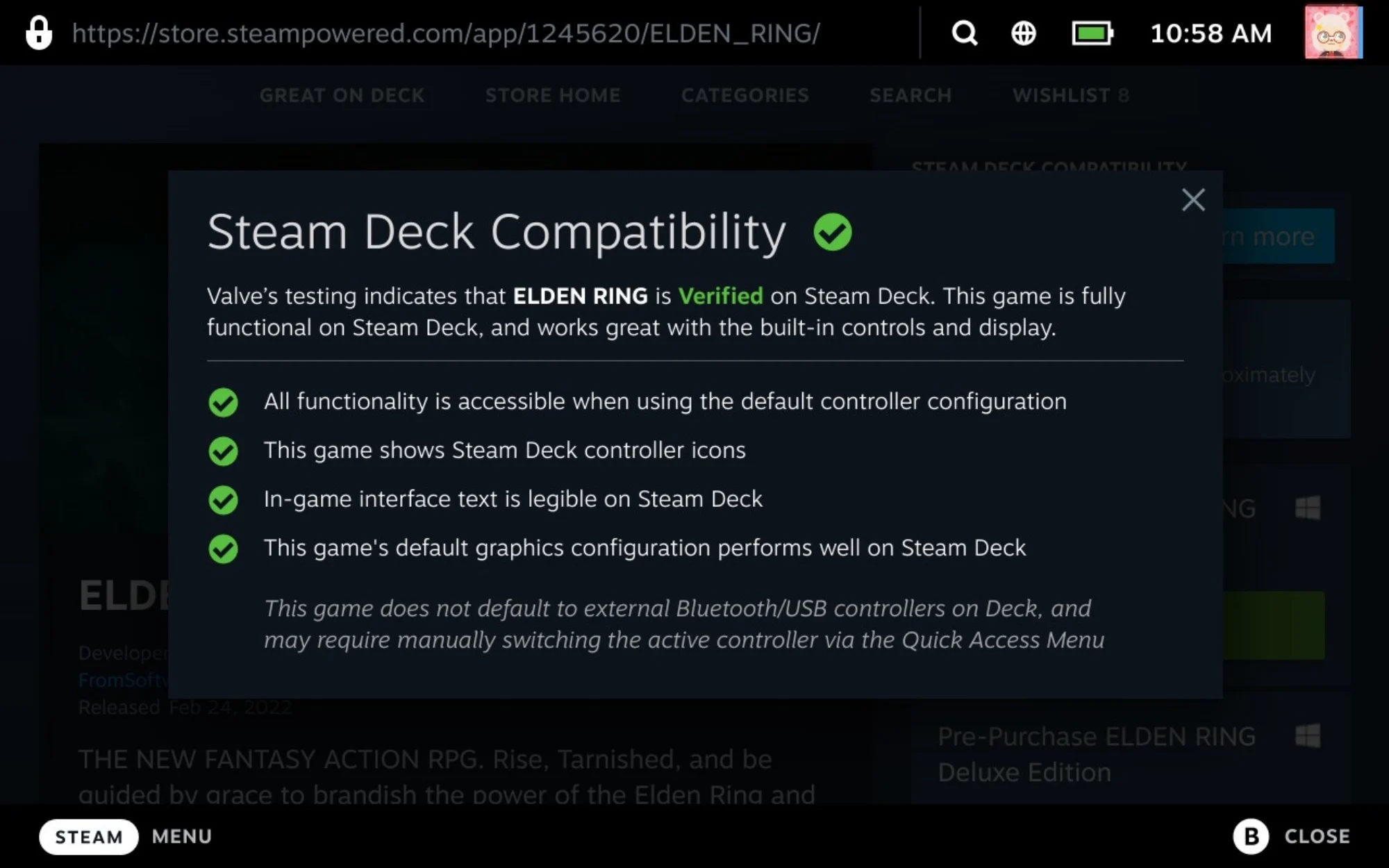
Valve’s decision to prioritise SteamOS devices for the Beta phase is not surprising. Compared to traditional desktop PCs, which come in near-infinite hardware combinations, SteamOS hardware operates within a narrower range of configurations. This includes devices like the Steam Deck and the Lenovo Legion Go S, making it easier to collect consistent performance data and establish meaningful baselines. It could also complement Steam’s existing Deck Verified programme, which identifies games that are optimised for first-party hardware.
On a related note, the next-generation Steam Deck 2 is rumoured to target a 2028 release window, although supply chain issues involving DRAM and NAND flash could still affect that timeline. Interestingly, those shortages are expected to ease around the same period, which may help Valve stay on track if sourcing improves.

The succeeding model is also said to feature a shift in strategy when it comes to its processor. Instead of relying on a semi-custom AMD APU like the current model, Valve may opt for an off-the-shelf solution from Advanced Micro Devices. This change could allow the company to adopt newer, more competitive hardware closer to launch, rather than being locked into a custom design that risks ageing more quickly.
(Source: Tom’s Hardware)
