
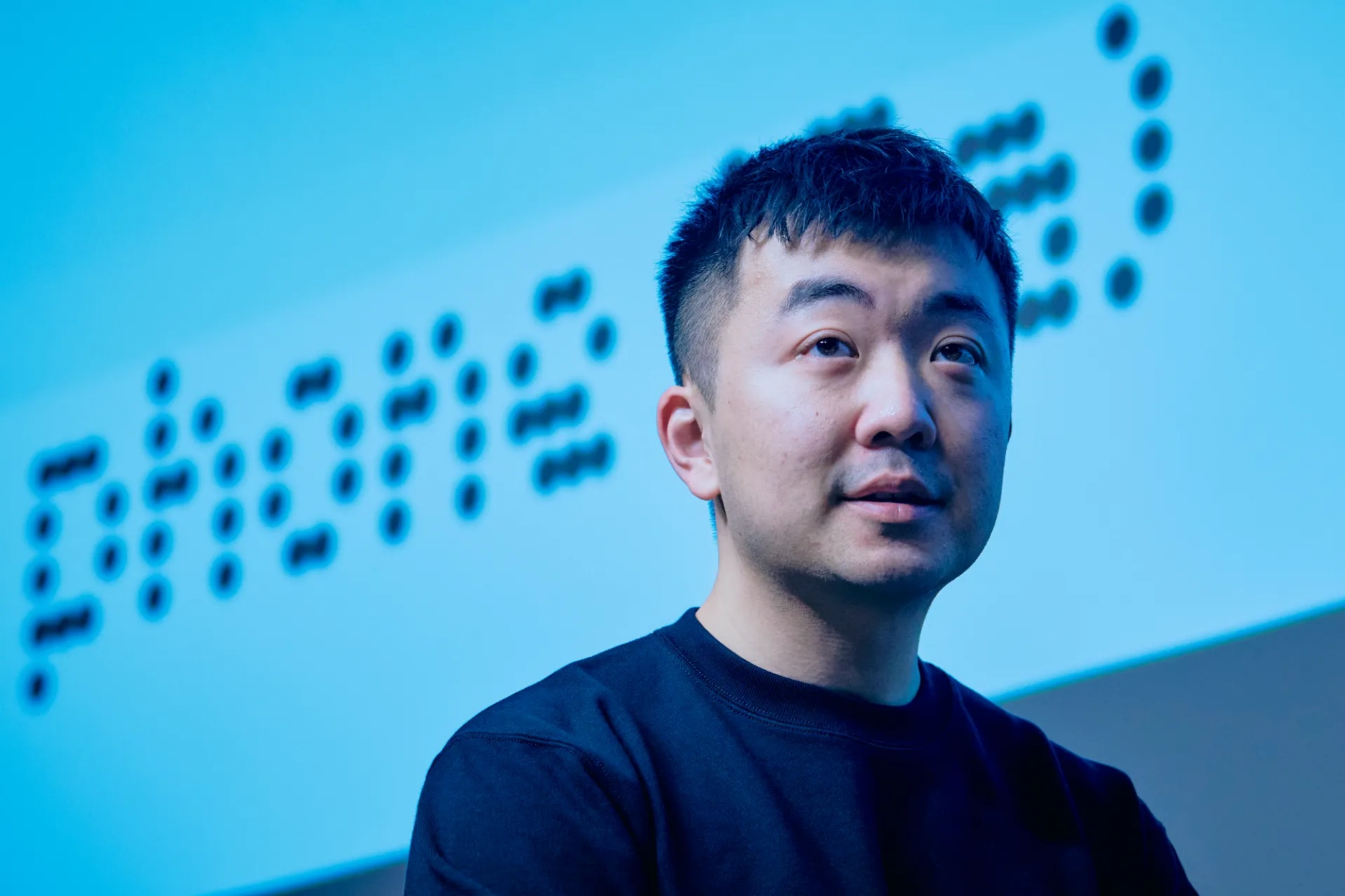
Nothing CEO Carl Pei, believes that the way we use smartphones today is headed for a major shift, with traditional apps eventually becoming obsolete. Speaking in a recent interview during the SXSW conference in Austin, Pei said future devices will rely on AI agents that understand user intent and carry out tasks automatically.
According to Pei, the current app-based model, where users manually open and interact with individual apps, will give way to a more fluid AI-driven experience. Instead of navigating through multiple apps, users would simply express what they want, and the system would handle the rest in the background.
He suggested that early versions of this concept are already emerging, such as AI tools that can perform tasks like booking flights or managing schedules. However, Pei described these initial implementations as only a stepping stone, with the real transformation coming when AI begins to understand long-term user behaviour and intent.
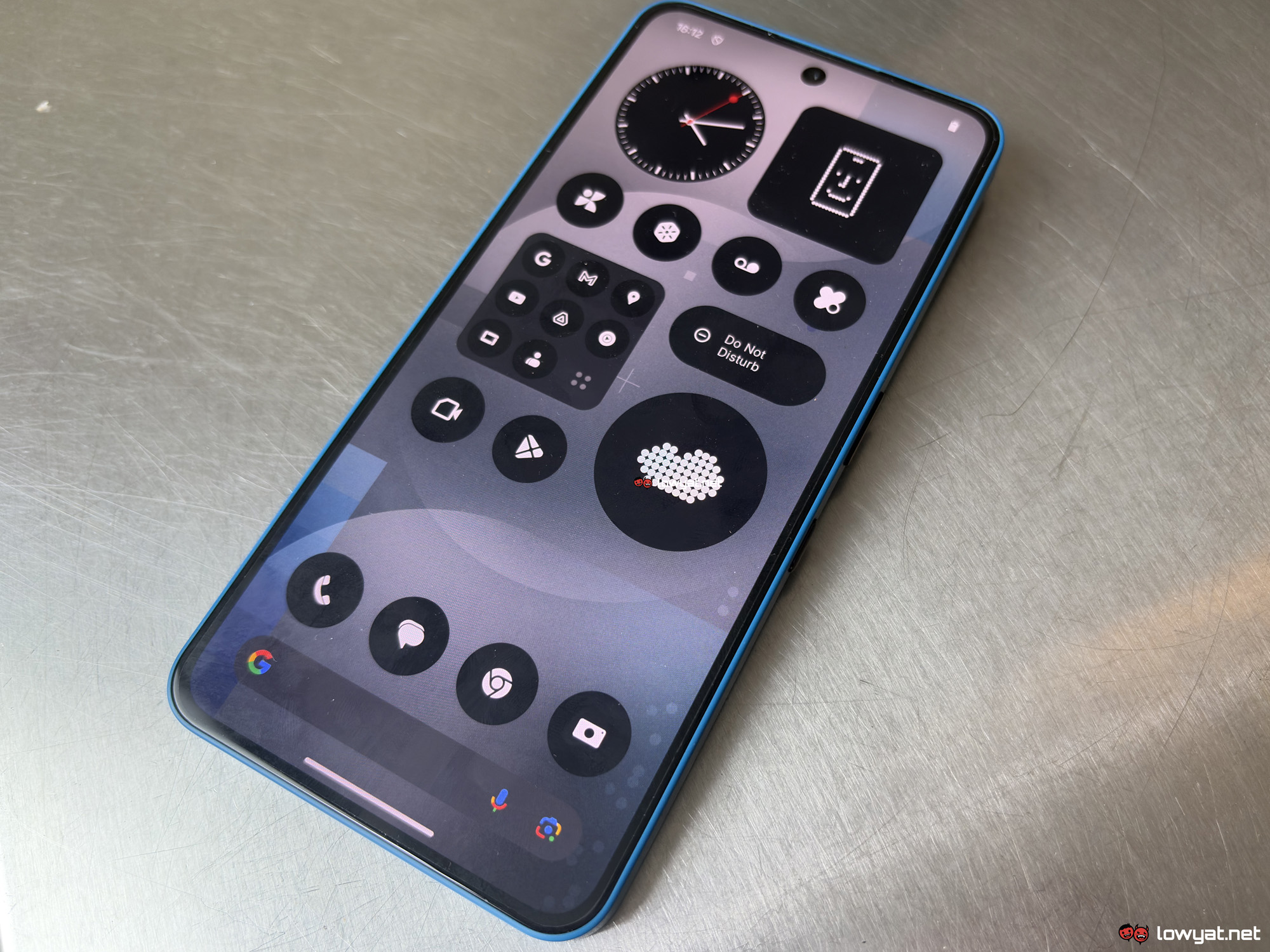
A More Proactive Smartphone Experience
In this envisioned future, smartphones would act more like proactive assistants rather than passive tools. AI agents could anticipate needs, make suggestions, and even take action without requiring constant user input, effectively turning the operating system itself into the primary interface.
The shift could have significant implications for developers and businesses that currently rely on app-based ecosystems. If AI agents become the main gateway for user interaction, traditional app distribution models and user interfaces may need to be completely rethought.
Pei’s comments also align with industry trends around agentic AI, where systems are designed to operate autonomously and complete tasks on behalf of users. While the technology is still evolving, it is already being integrated into operating systems and services, though challenges around reliability, privacy, and real-world usefulness remain.
Nothing’s Early Steps With Essential
Interestingly, Nothing has already taken early steps in this direction through its “Essential” features on recent devices. Its Essential Space acts as an AI-powered hub that lets users capture screenshots, voice notes, and photos, then organises and analyses them to generate reminders or action items. Paired with a dedicated Essential Key, users can quickly save information or ideas, effectively turning the phone into a kind of “second memory.”
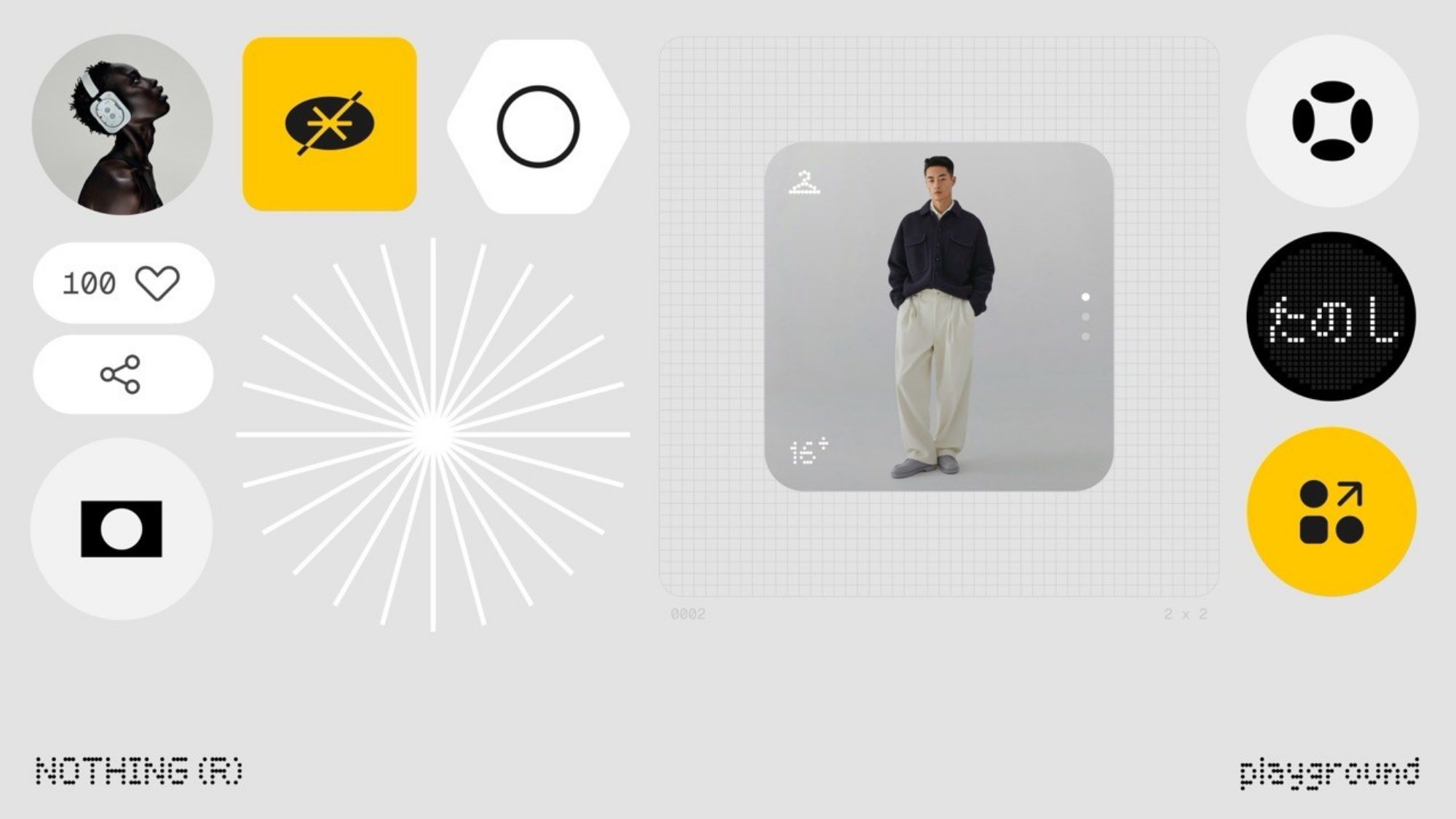
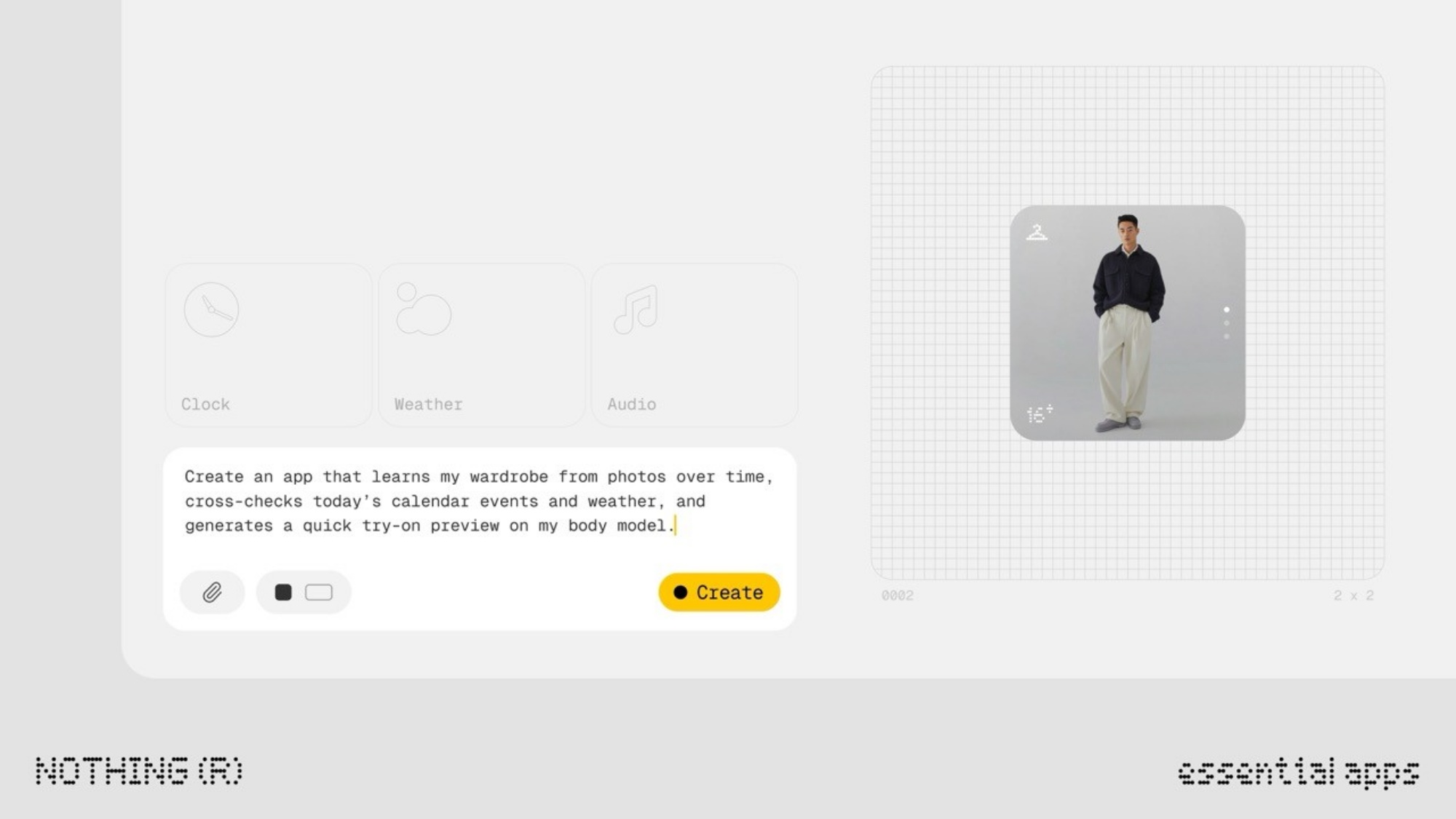
Then there’s the Essential Apps feature, where users can describe what they want and have AI generate simple, task-specific tools that can be placed on the home screen, rather than downloading traditional apps. While still limited in capability, it reflects a move towards more personalised, on-demand software.
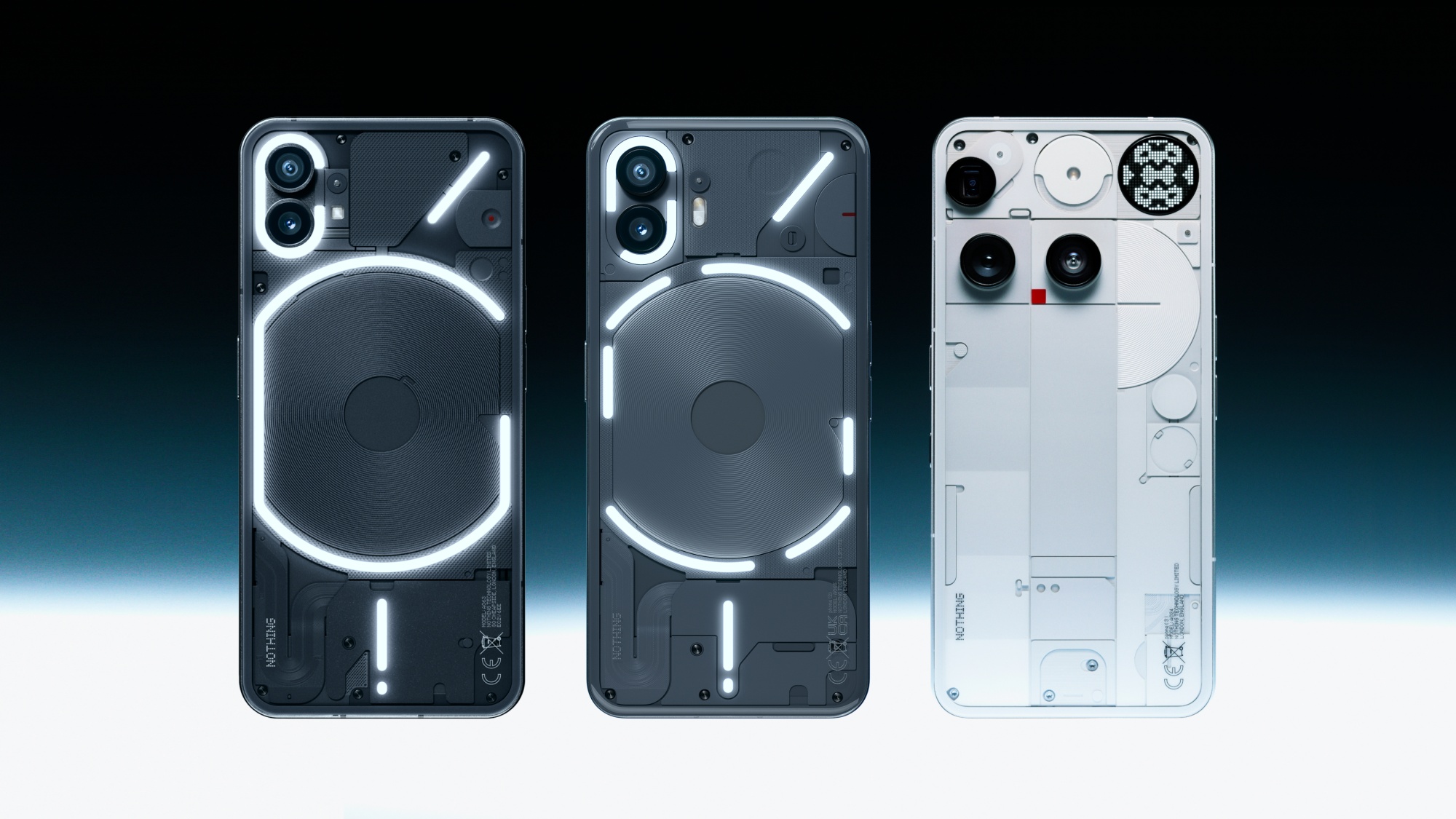
It is also worth noting that this direction also ties into Pei’s earlier plans for an “AI-native” ecosystem. The company has already outlined ambitions to build a new AI-driven operating system and even launch its first AI-native device, designed to deliver a more personalised experience across different types of hardware.
For now, apps are not going anywhere just yet. But if Pei’s vision holds, the smartphone experience could look very different in the coming years, where users interact less with apps and more with an AI that simply gets things done.
(Source: Techcrunch)
