


In late March, the Ministry of Investment, Trade and Industry (MITI) was in the news thanks to its automotive policies surrounding locally assembled (CKD) EVs. It looks like a new storm is brewing, as the ministry may have made more changes to its policy, and the resulting new regulation for fully imported (CBU) EVs.
A report by paultan.org cites a circular sent to franchise approved permit (AP) holders that says from 1 July, CBU EVs must have a declared cost, insurance and freight (CIF) value of no less than RM200,000. Beyond that, they must also have a minimum power output of 180 kW / 245 PS. Per the report, cars that are already here and those that are in transit are exempted from this new rule.
Effectively A Price Floor Increase

On the surface, it looks like it’s a reduction of the price floor for imported EVs. After all, the current rules have it so that CBU EVs must have a minimum on-the-road (OTR) price of RM250,000. But the key here is the difference between OTR and CIF prices. The former is the price tag that’s on the car when you go to a showroom to buy one, before insurance. The latter, on the other hand, is the value of the electric car when it lands on our shores. This is before taxes and distributor margins are taken into account.
Taking the example from the report, this will mean that a Chinese EV that costs RM200,000 will be subject to 5% import duty + 10% excise duty + 10% sales tax. This brings the price back up to RM250,000, but this is still before the distributor and dealer margins. EVs from South Korea or Europe are hit with the old 30% import duty instead of 5%, which brings its new price up to RM300,000 before distributor and dealer margins.
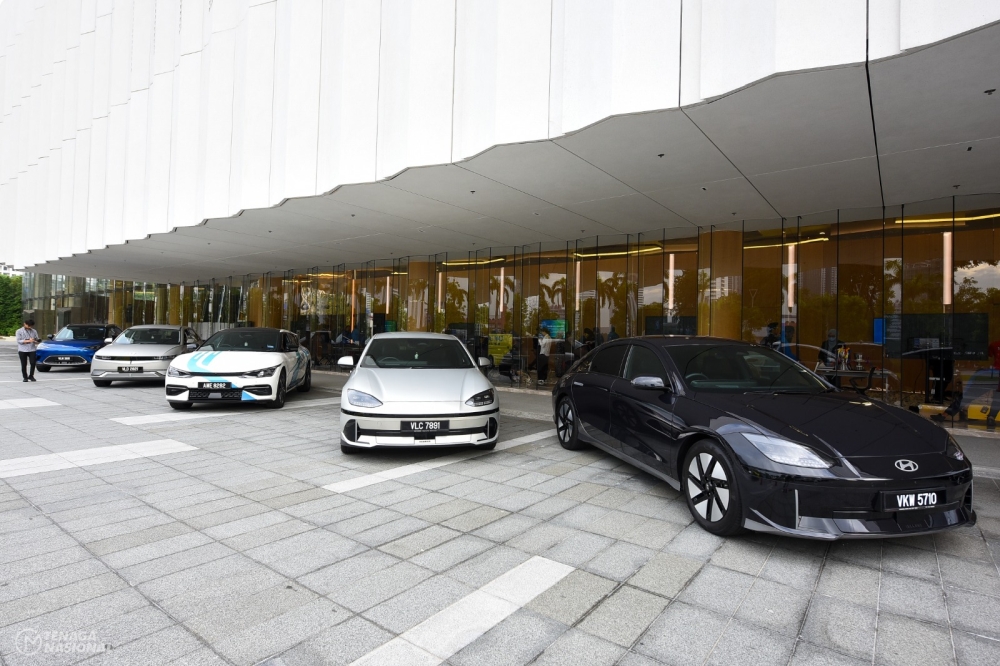
The report goes on to cite the MITI circular as also requiring CBU EVs to conform to the previous list of conditions. This includes a price floor of RM100,000, which seems redundant. But the report also mentions the possibility of brands over-declaring their CIF value, taking the tax hit, and selling at a lower price than their CIF value would indicate.
Also Locking Out Non-Premium CBU EVs
Of course, there’s the lowering of minimum output from 200 kW to 180 kW. But all this really means is the potential customer having to pay a higher price for a less powerful EV. The report brings up BYD as an example. Of the cars the company currently sells locally, only the Seal and Sealion 7 meet the 180 kW minimum requirement. But they are being sold under the RM200,000 price tag, which can only mean their CIF value is lower.
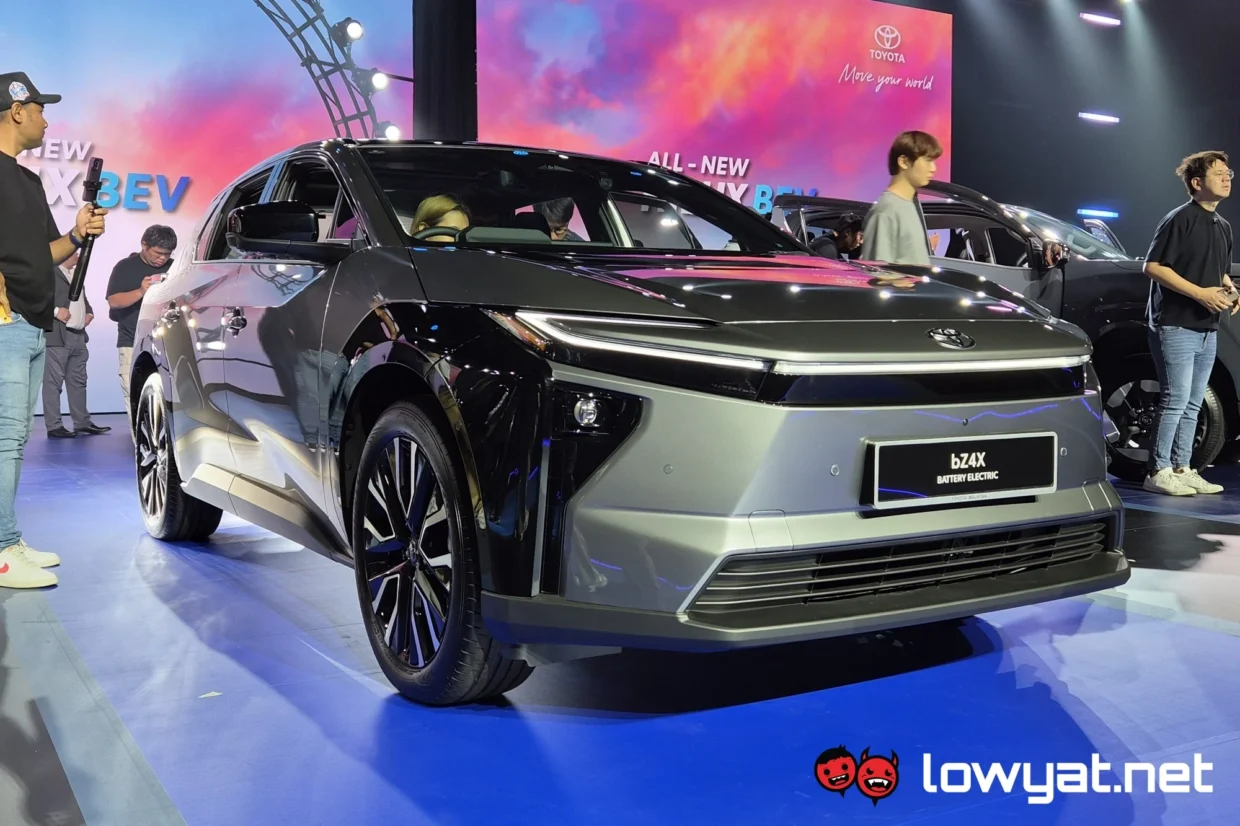
Beyond BYD, Mini will see its electric Cooper no longer being let into the local market, while the JCW, as well as its Aceman variant, may be forced to hike their prices. Similarly barred from entry would be additional units of the relatively new Toyota bZ4X and Urban Cruiser. The same applies to the Honda e:N1 and Super-One, the latter of which hasn’t even officially launched yet. So these cars will probably still be sold in limited quantities, until available stock and those already on the way run out.
At the time of writing, MITI has not yet said anything about the matter beyond a statement confirming the report, but without addressing it. For what it’s worth, MITI minister Johari Abdul Ghani did say back in March that the government was reviewing its EV import floor price policy to strengthen local assembly while managing EV adoption. This may very well be the result of that review.
(Source: paultan.org, MITI [PDF])
The post MITI Issues New Regulation For CBU EVs To Take Effect Starting 1 July appeared first on Lowyat.NET.
