
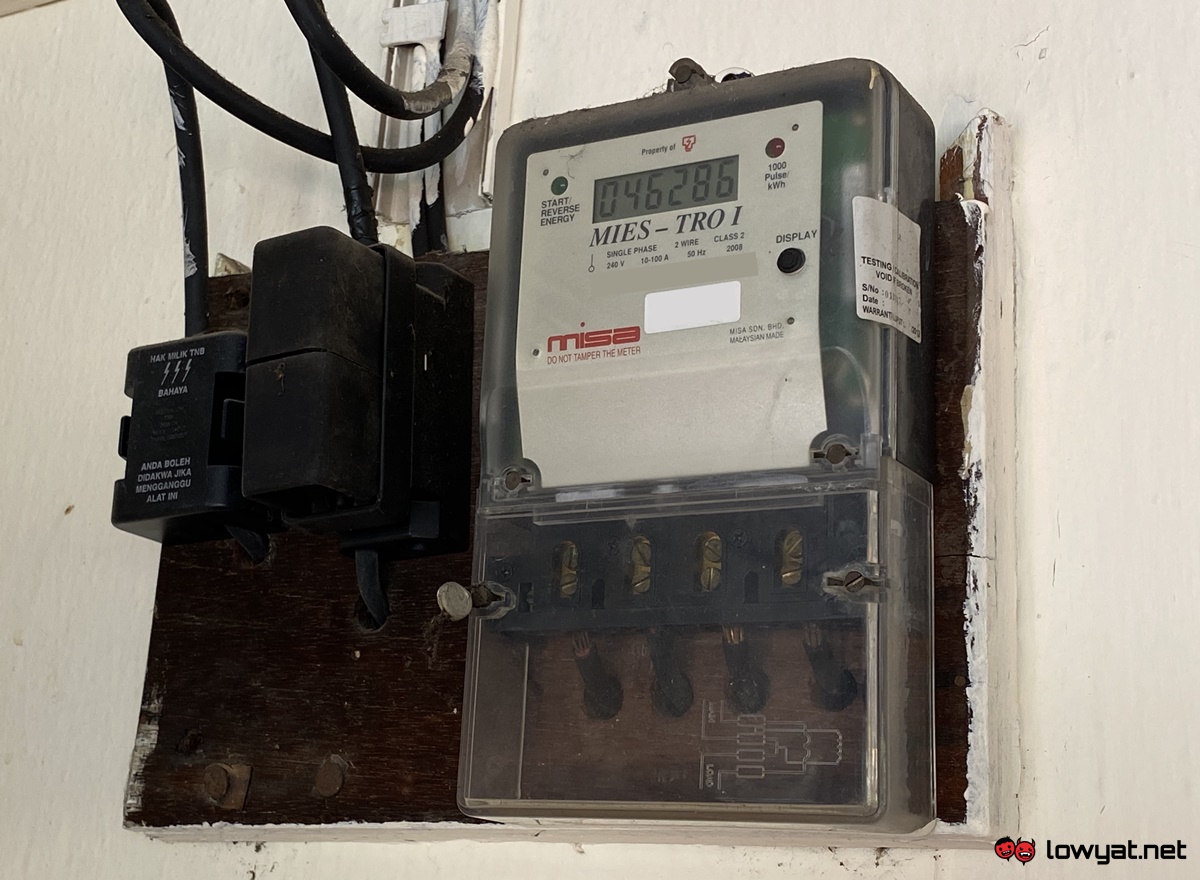
Electricity bills in Malaysia are set to be higher this month after Tenaga Nasional Berhad (TNB) announced a reduced Automatic Fuel Adjustment (AFA) rebate for April 2026. The company confirmed that the rate has been set at a rebate of 0.47 sen per kWh, down significantly from 2.15 sen per kWh in March, resulting in a higher effective tariff for most consumers.
While the AFA remains a rebate rather than a surcharge, the smaller discount means users will end up paying more compared to the previous month. The adjustment reflects changes in fuel costs and exchange rates, which are factored into electricity pricing on a monthly basis.
The reduced AFA rebate effectively increases electricity costs by 1.68 sen per kWh compared to March.This increase primarily affects higher-usage households, as the AFA mechanism scales with total consumption. However, domestic users consuming 600 kWh or less per month remain exempt, meaning lower-usage households will not be impacted by the change.
What Is The AFA Mechanism?
The AFA was introduced in July 2025 by the Energy Commission Malaysia as part of the electricity tariff restructuring. It replaced the previous Imbalance Cost Pass-Through (ICPT) system, which adjusted electricity tariffs on a six-month cycle instead of monthly.
Under this mechanism, electricity tariffs are adjusted based on fuel costs such as coal and gas, as well as foreign exchange rates. While surcharges are capped at 10% of the allowed generation tariff unless Cabinet approval is obtained, rebates are not subject to any cap.
Exemptions And Incentives
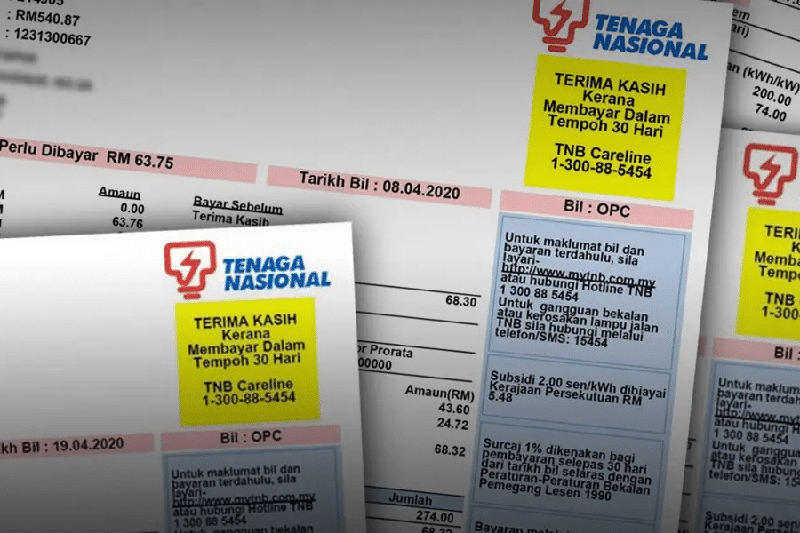
As mentioned earlier, the AFA does not apply to domestic consumers using 600 kWh or less per month, which typically corresponds to a bill of around RM219.80, according to TNB’s bill calculator. This exemption ensures that lower-income and lower-consumption households are shielded from short-term fluctuations in fuel costs.
Additionally, users subscribed to green electricity tariffs are not affected by AFA adjustments. These tariffs certify that electricity is sourced from renewable energy, and are priced differently from standard supply.
Meanwhile, domestic users consuming below 1,000 kWh per month can benefit from the Energy Efficiency Incentive, which offers discounts based on usage levels. The incentive scales with consumption, with lower usage receiving higher discounts of up to 25 sen per kWh.
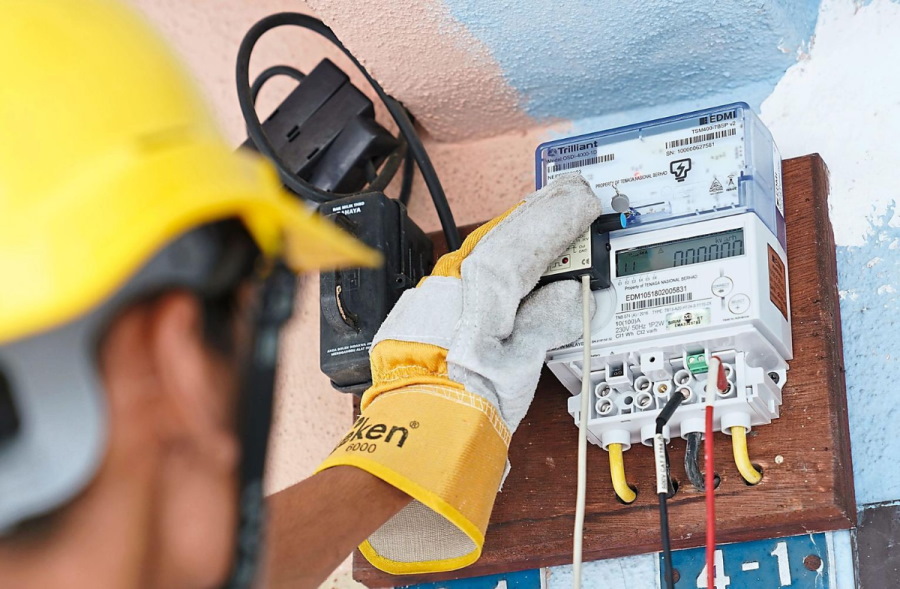
Households with smart meters can also opt into the Time of Use (ToU) scheme, which encourages shifting electricity usage to off-peak hours. Off-peak periods run from 10pm to 2pm on weekdays and throughout the day on weekends, while peak hours are from 2pm to 10pm on weekdays, where tariffs are higher.
Projections For The Coming Months
TNB’s projections indicate that AFA rebates may remain relatively low in the near term, suggesting continued pressure on electricity bills. The utility company estimates rebates of 0.39 sen per kWh in May, 0.91 sen per kWh in June, and 0.08 sen per kWh in July 2026. Do note that these are not final and are likely subject to change.
(Source: NST / TNB [Facebook] [official website])
