
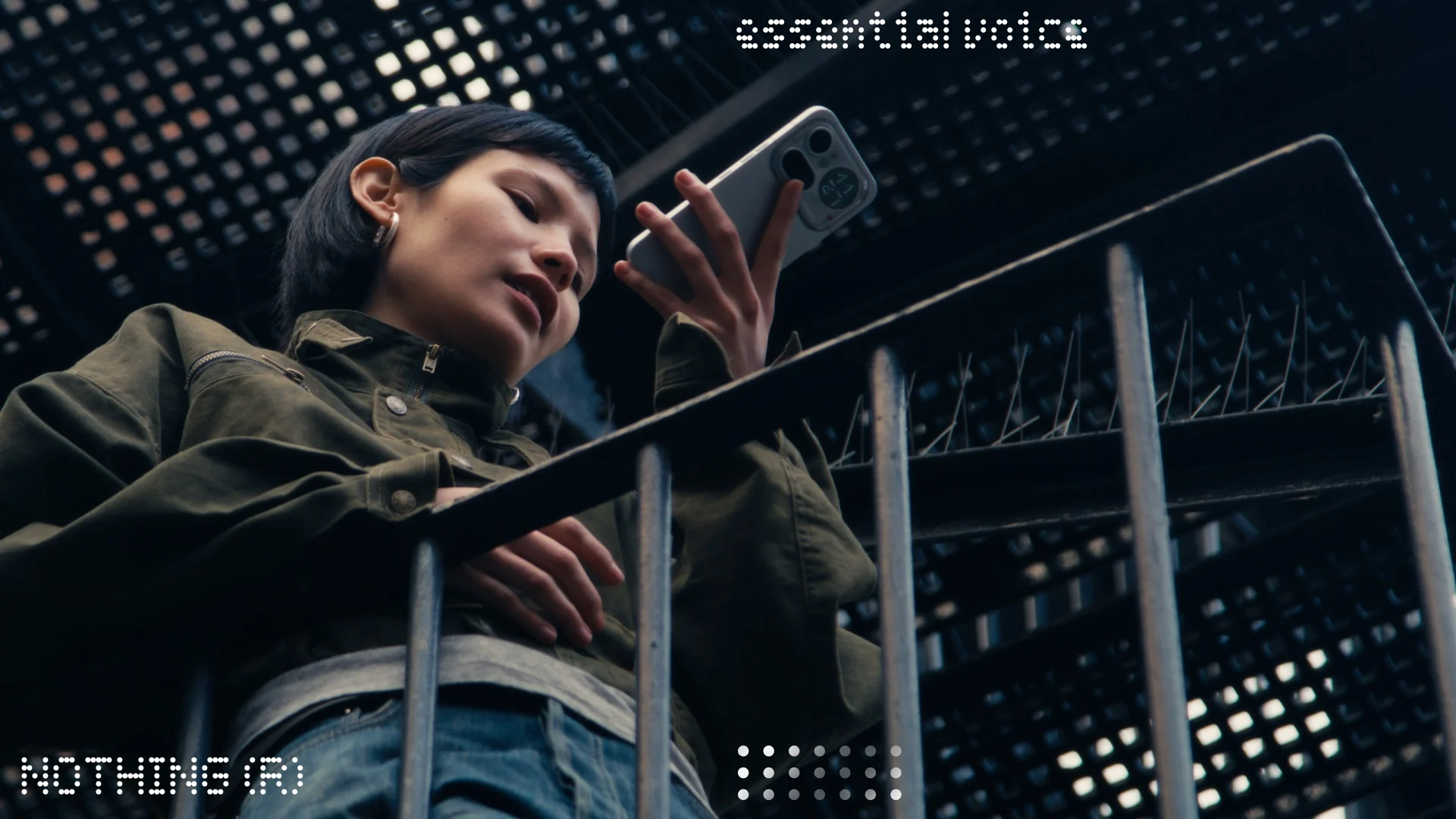
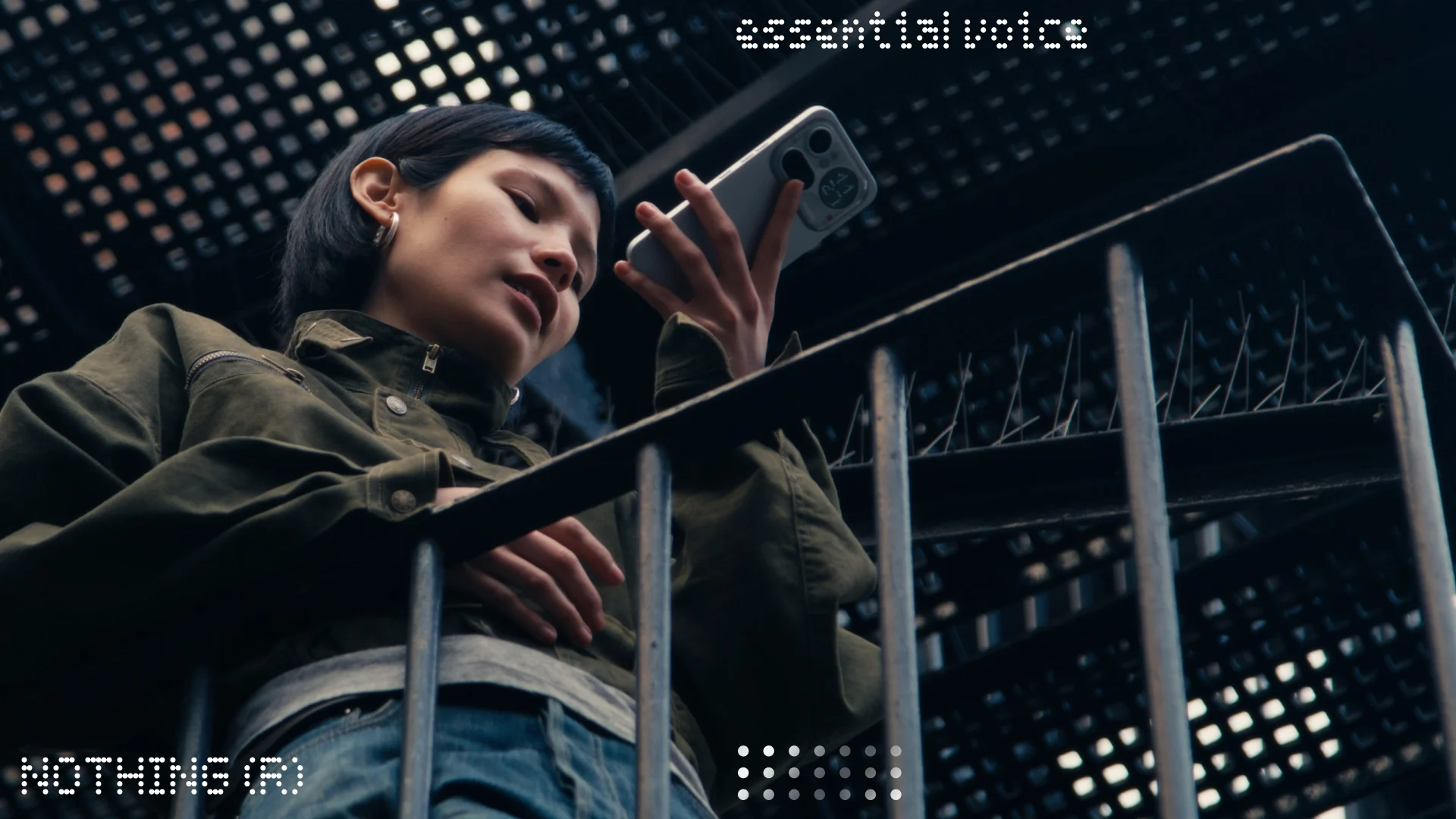
One of the more interesting additions to Nothing smartphones is the Essential Key, a dedicated button that provides quick access to the brand’s AI-powered features. Users often use it for tasks such as capturing screenshots, generating summaries, setting reminders, and recording voice notes.
Today, the company is expanding its capabilities further with the introduction of Essential Voice.
Essential Voice is the company’s new speech-to-text feature that can transcribe spoken words into text for emails, messages, and reminders. What sets it apart from traditional voice typing, however, is its ability to clean up speech in real time. According to Nothing, it can “understand your voice in real time”, removing filler words like “ums”, “ahs”, and even stutters.
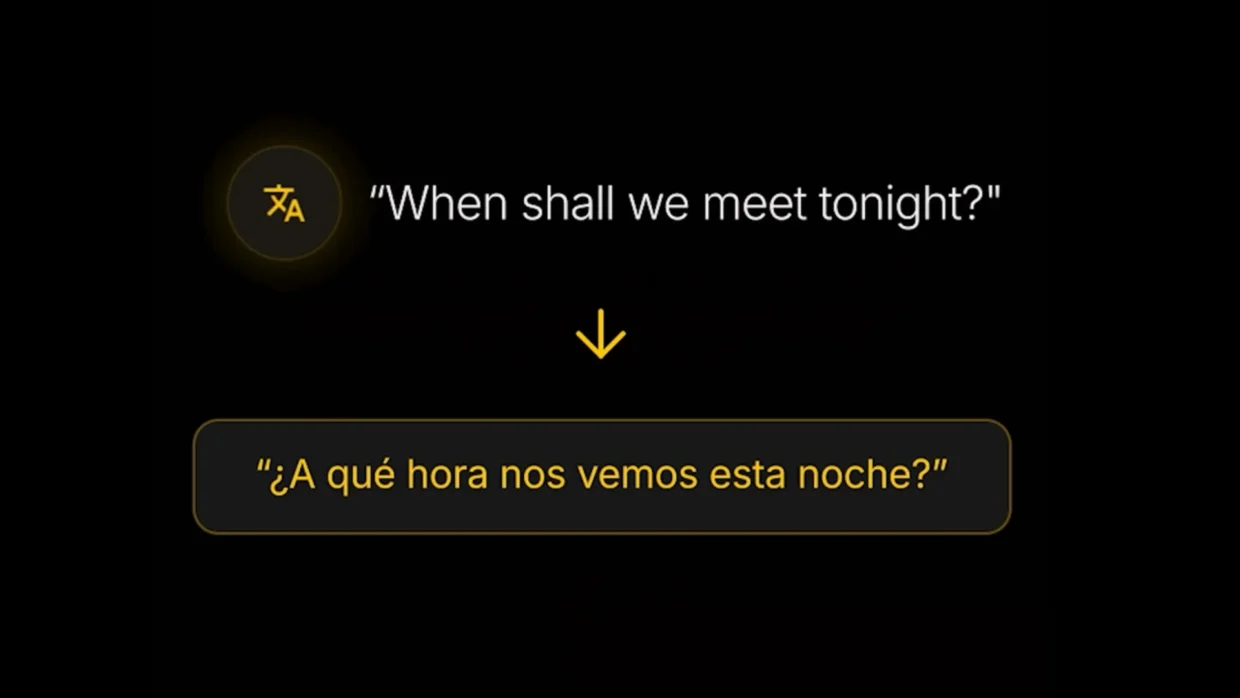
Essential Voice also supports more than just English. Nothing says the feature supports and can automatically detect more than 100 languages, including regional variants of languages like English and Spanish. Users can also speak in one language and have it translated and transcribed in real time.
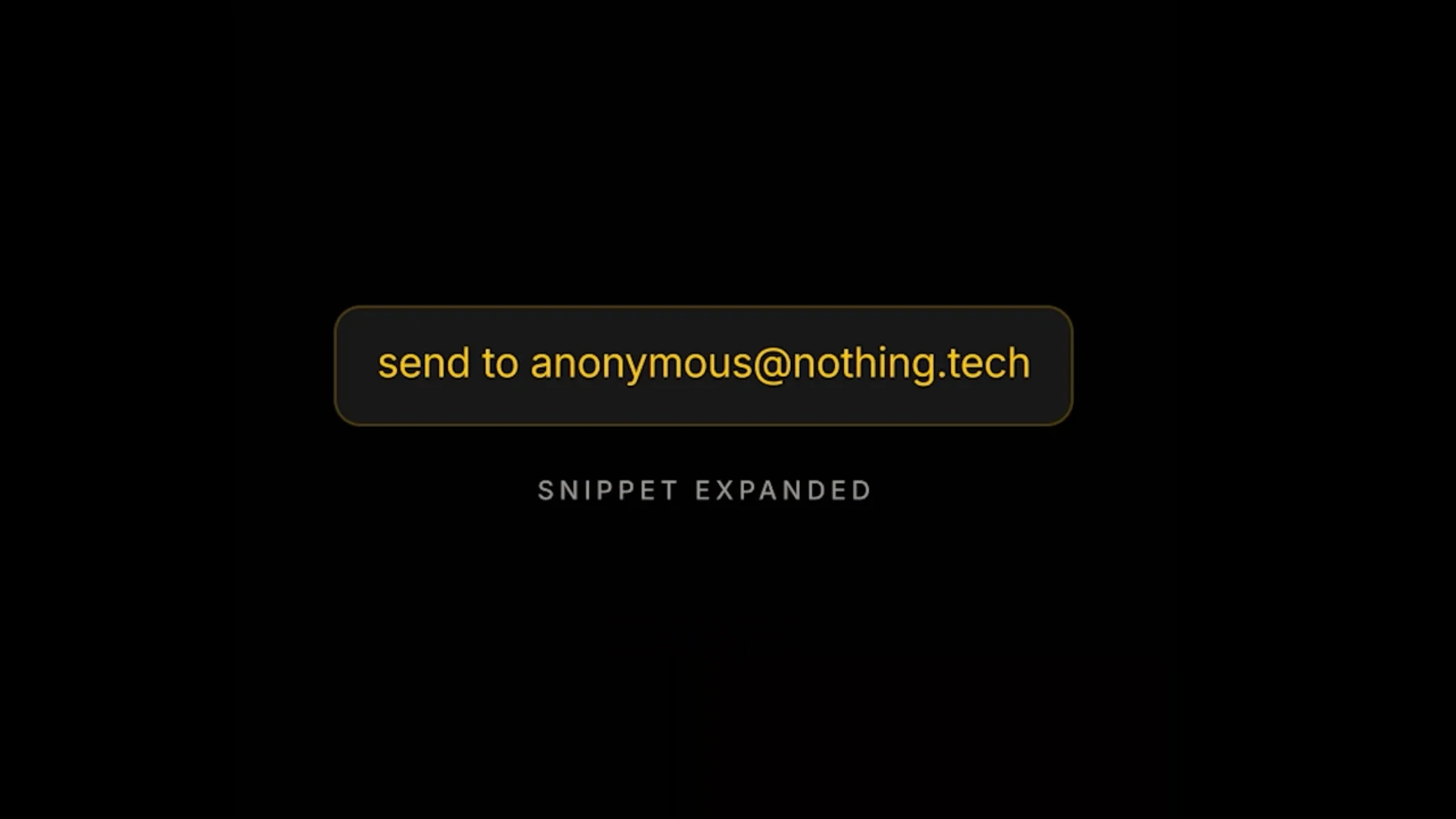
Users can also build their own text shortcut library over time. For example, users can say “nothing OS” and have it automatically mapped to “Nothing OS”.
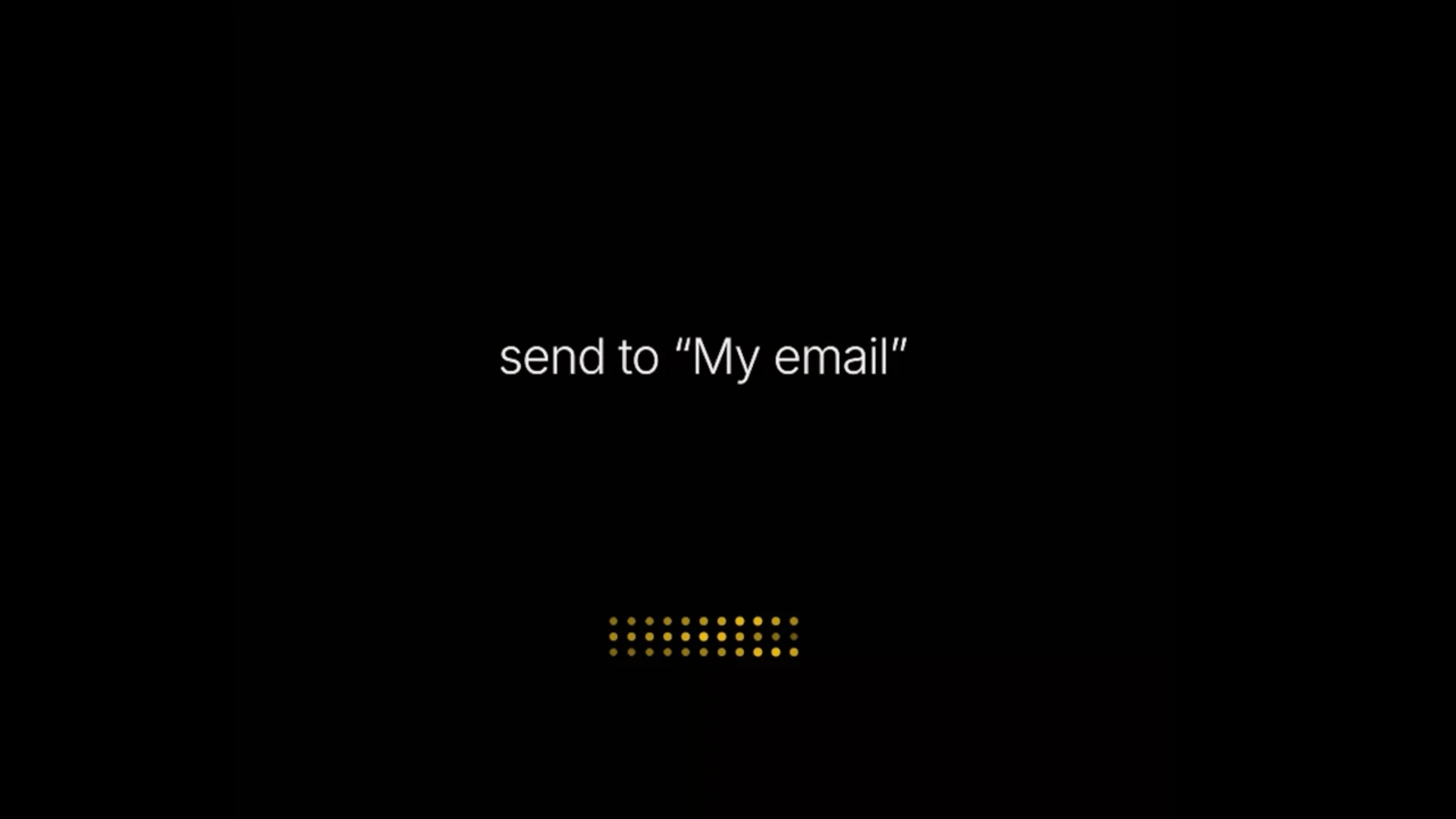
Similarly, a command like “Send to my email” can prompt Essential Voice to fill in the user’s saved email address rather than typing it manually.
On the privacy front, Nothing says Essential Voice only activates when users trigger it and does not listen in the background. Once activated, the feature encrypts audio recordings and processes them on the company’s servers before returning the generated text to the device without storing it on those servers.
According to the official community page, Essential Voice is currently available on the Phone (3), with support for the Phone (4a) Pro arriving later this month and the Phone (4a) in May. Nothing hasn’t confirmed whether it will extend the feature to older models, such as the Phone (3a) series.
(Source: Nothing)
The post Nothing Launches Essential Voice, A New Smart Speech-To-Text Feature appeared first on Lowyat.NET.
