
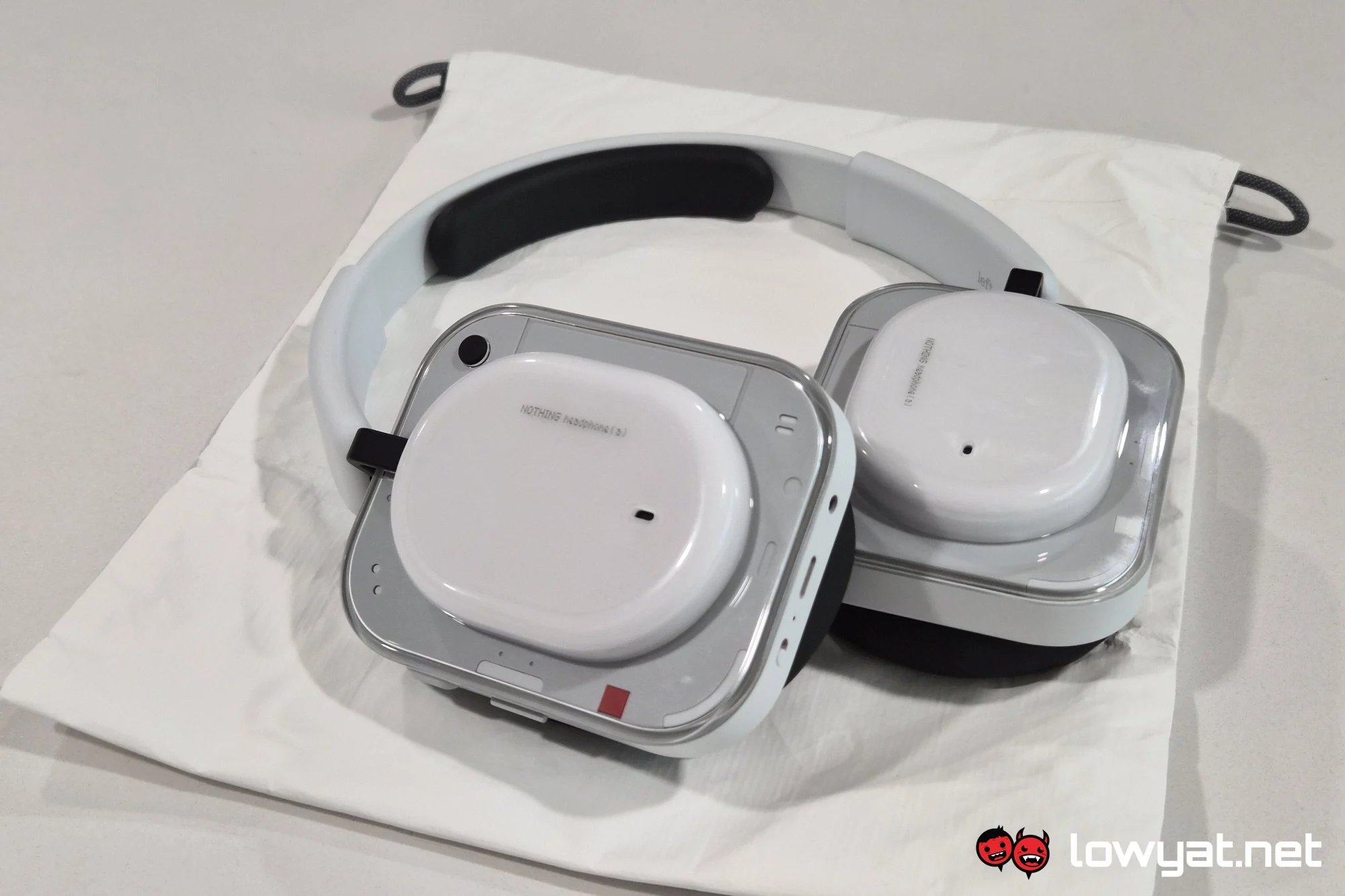
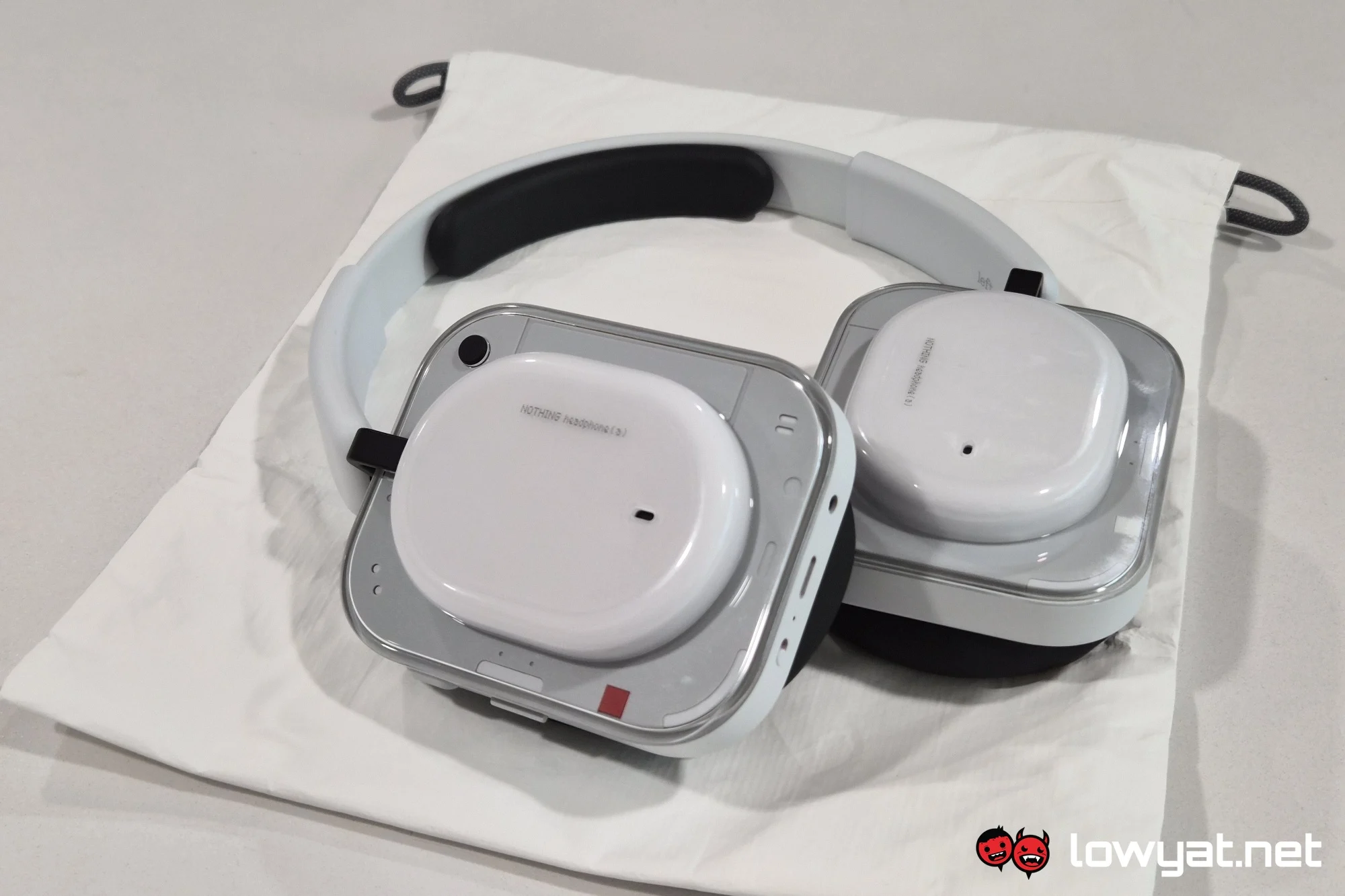
Nothing launched the Headphone (a) for the local market early last month. As is the brand’s way of doing things, the (a) denotes a more budget friendly version of the primary version of the product. Of course, with a price tag of RM699, it doesn’t quite fall into the category of budget headphones. Technically neither does the CMF Headphone Pro, but I digress.
Back to the Nothing Headphone (a). Being the more affordable version of the Headphone (1), what exactly are you giving up, and is all that sacrifice worth it? Let’s find out.
What Am I Looking At?
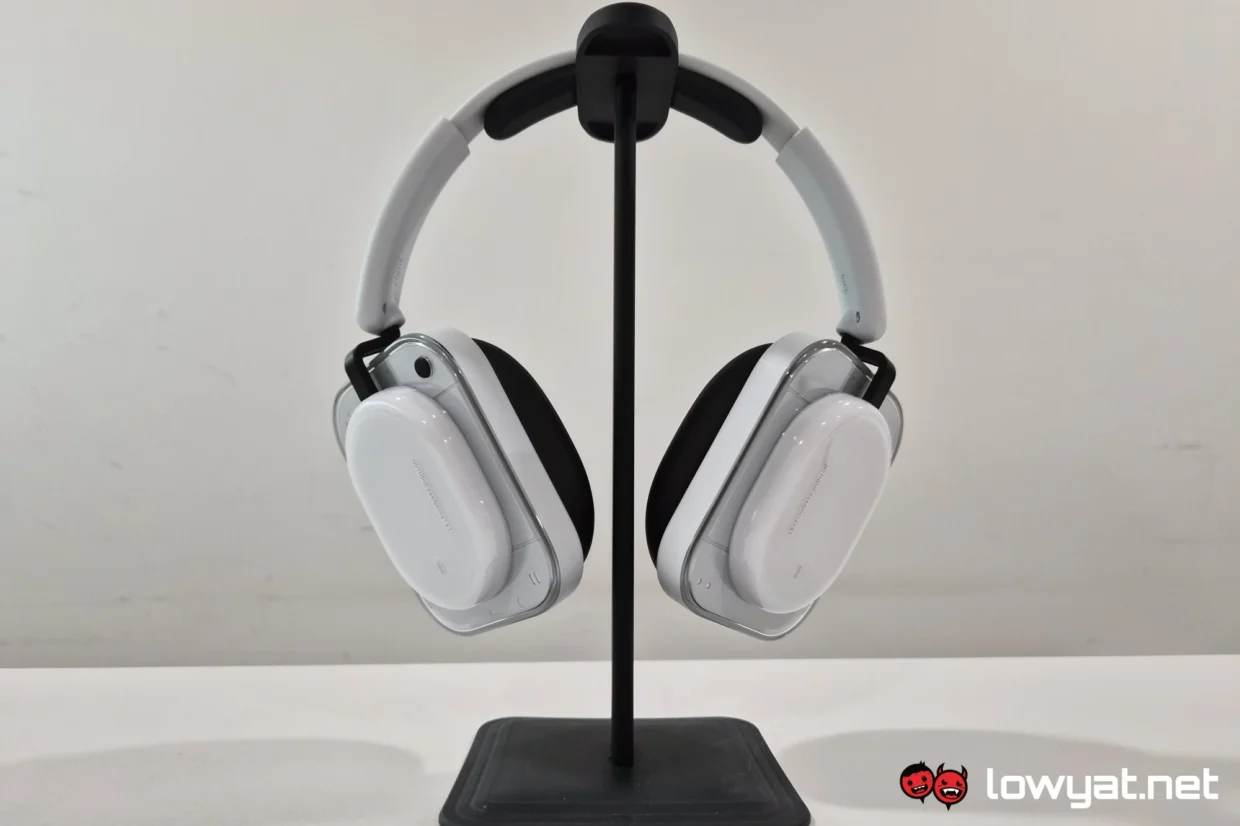
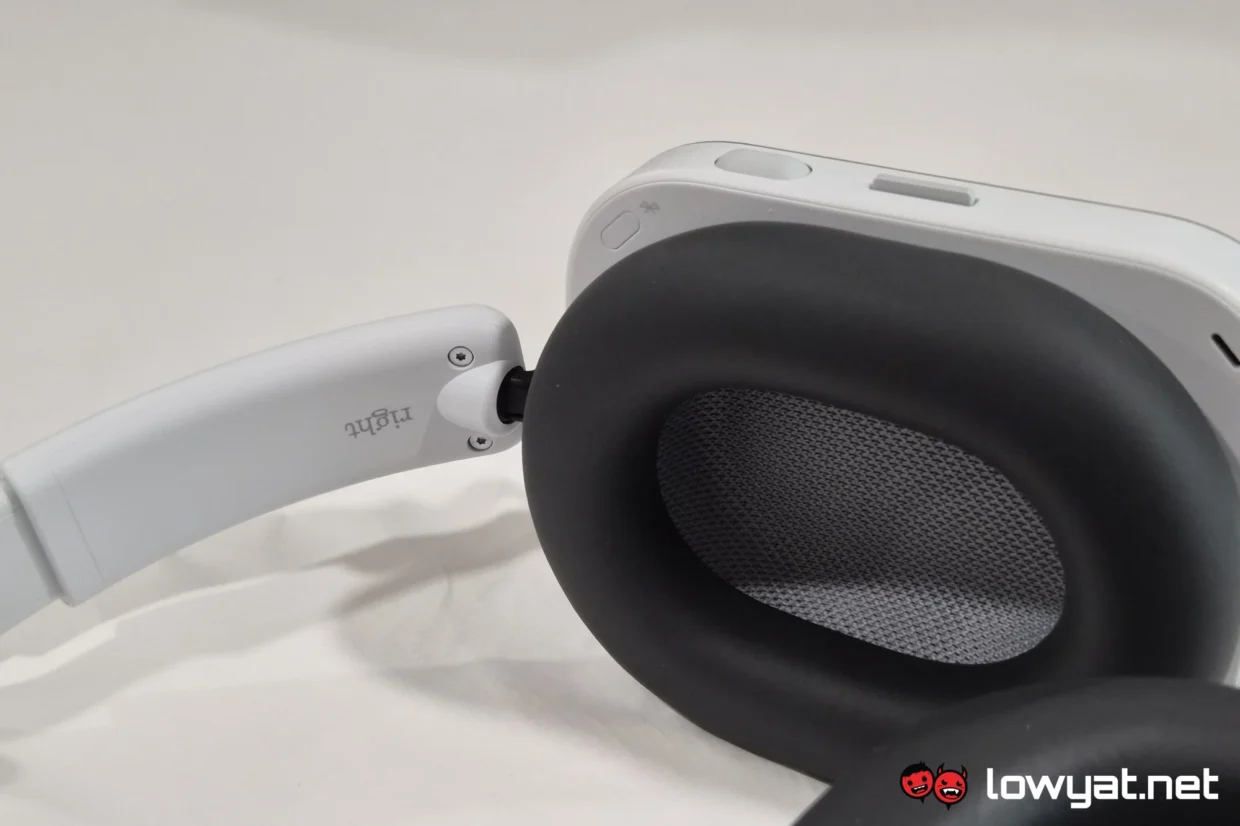
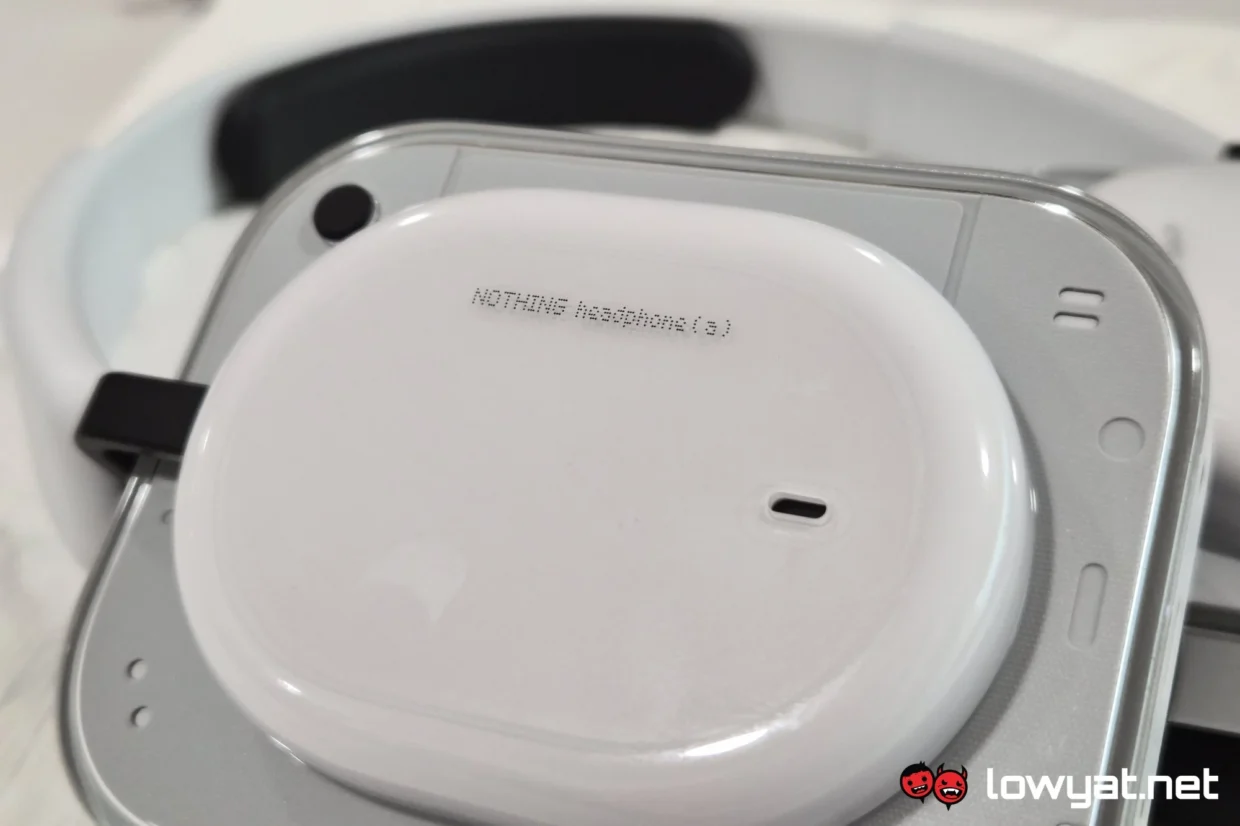
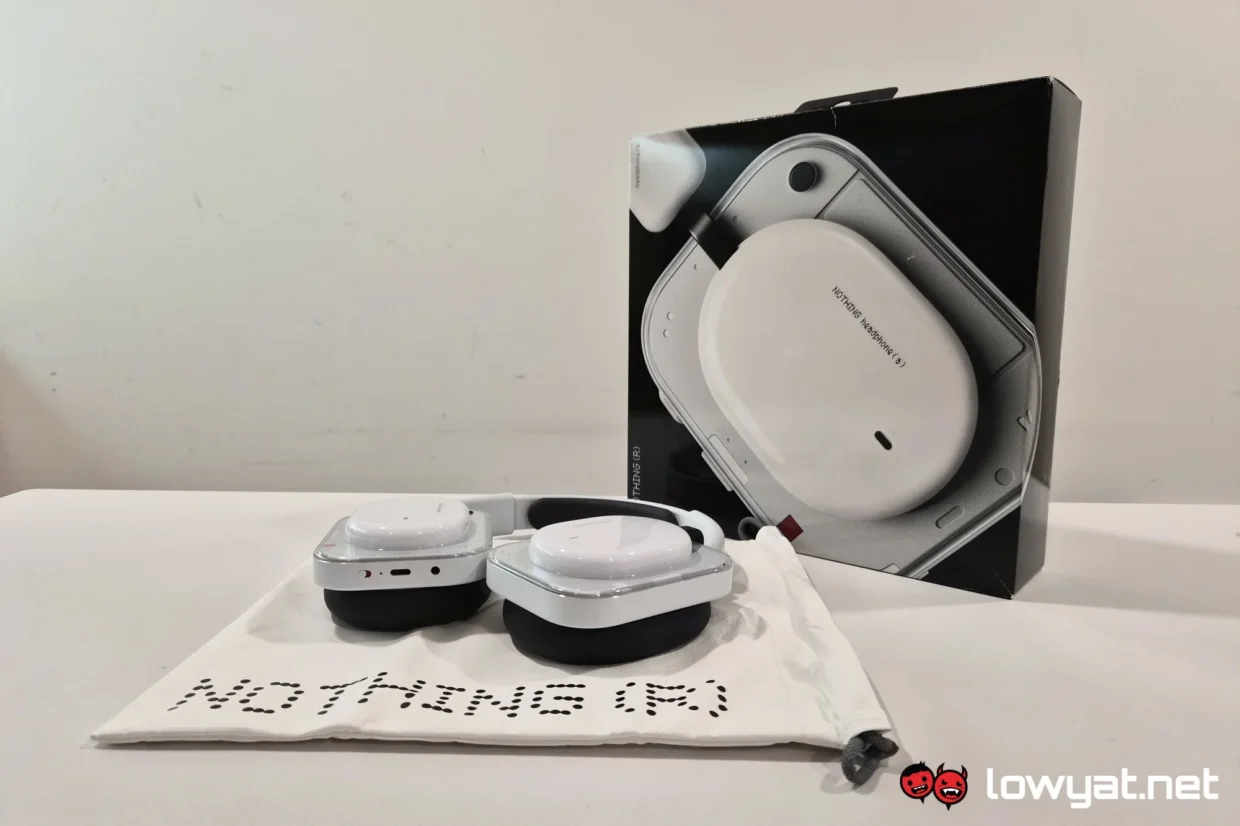
Even at a glance, it can be pretty clear what sort of price reduction steps have been taken to get from the Nothing Headphone (1) to the Headphone (a). After all, it’s pretty obvious that there’s a lot more plastic compared to metal. Taking a closer look, you’ll also see that there are less venting ports than before. Dig a bit further beyond the surface, and you’ll find that the KEF tuning is also not present here, as well as some features like wear detection.
That being said, the Nothing Headphone (a) still sports familiar 40mm drivers, support forHi-Res Audio Wireless and the LDAC codec. Adaptive ANC and Transparency modes are still here, though these are arguably harder to drop for a pair of headphones at this price point.
What’s Good About It?
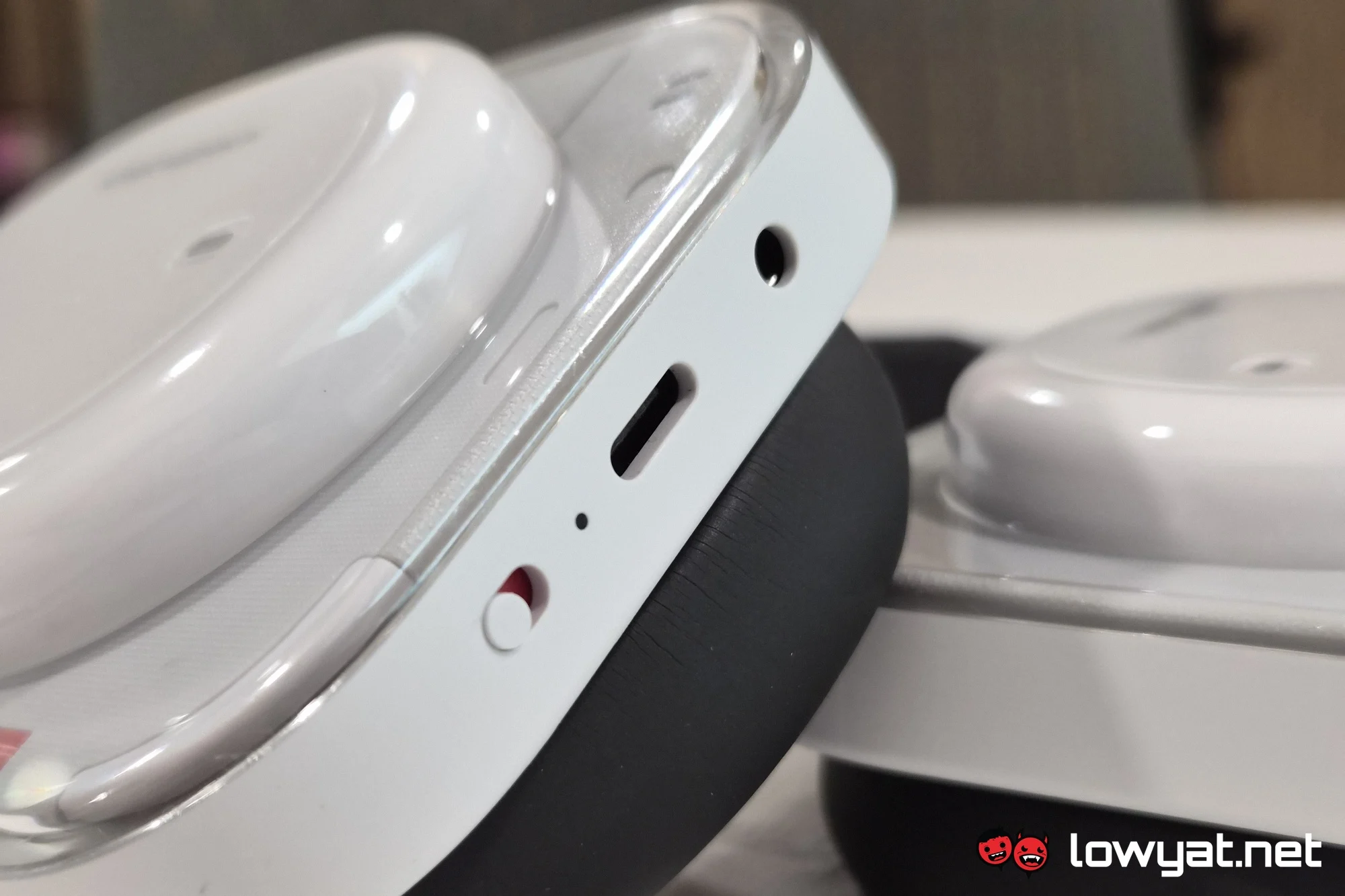
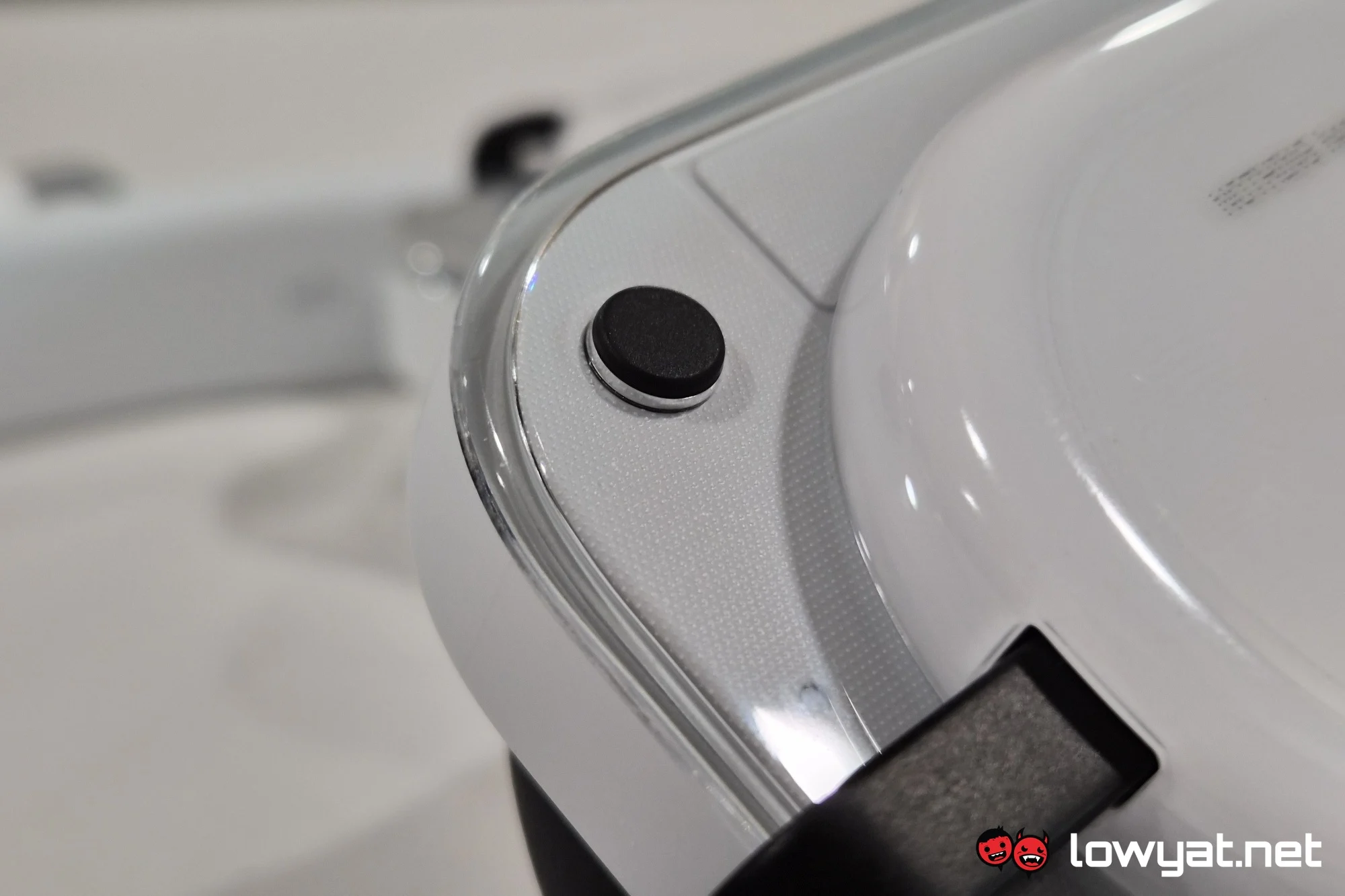
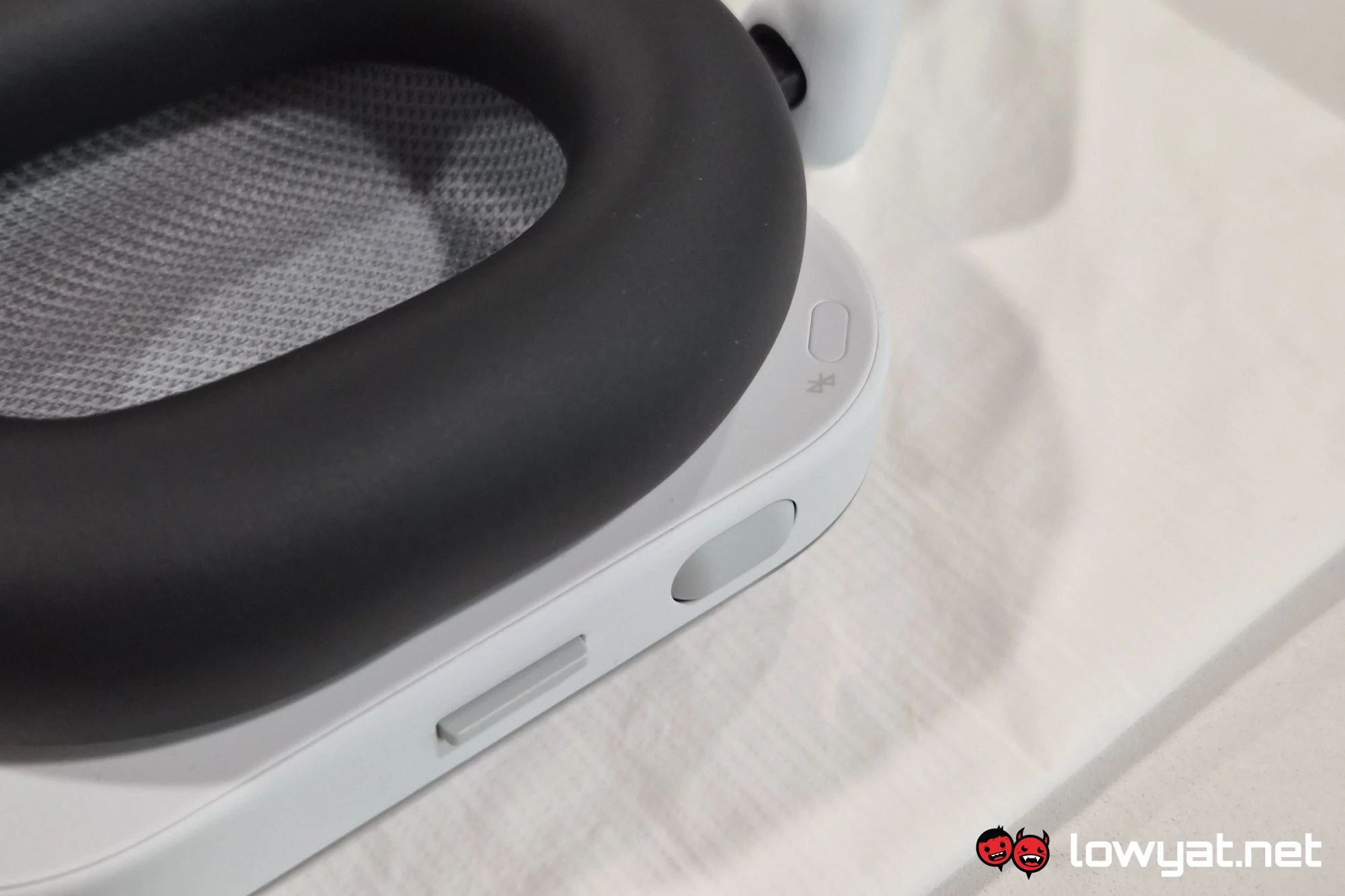
It’s been said about the Nothing Headphone (1), but the same will be said about the Headphone (a) as well – physical controls are great. Every input works just as you intend for it to, and when something unexpected happens, you could easily deduce what went wrong. No fumbling around guessing if my intended input will translate properly, and no bewilderment when something happens that you didn’t intend for. The best of the lot is easily the power switch. None of that “hold this input for some number of seconds and listen to a cue that proves that it worked” silliness; just flip the switch from one end to the other.
Getting to audio quality, you’ll be glad to know that the lack of KEF tuning has not affected the Nothing Headphone (a) much, if at all. Fortunately for me, the perfect setting for me was to leave the equaliser at the default Balanced, and bump the Bass Enhancement up by one level. Unfortunately, I had spent a lot of time doing unnecessary tweaking when it was the simplest change to make.
It’s pretty clear that when multiple layers collide, it’s the mids that get the most attention, but not by much. Otherwise, as someone who likes their tracks balanced, this is something that I can live with. Playing Ironclad by Matthew Chalmers for the Warframe: The Old Peace OST, you can clearly hear the standard vocals going on alongside the much lower, almost Mongolian throat singing equivalents going together clearly. The latter permeates the rest of the track, and at no point did they get drowned out by the other instruments or vocals.
Even in messier, heavily layered tracks like Vacuity by claudia in the PSO2 OST Vol.9, layer separation is perfectly clear, with the occasional vocals taking over. Soundstaging is a tad better in the messier track though, oddly enough. Speaking of which, it’s pretty noticeable that the Noting Headphone (a) puts a lot of focus on vocals, but sometimes the backup vocals gain greater prominence than the lead, which can sound a tad strange.
What’s The Catch?
On the surface, there’s nothing much to complain about with the Nothing Headphone (a). But when it is compared directly to the Headphone (a), then you find some things that make you wonder why they didn’t make the cut. One example that immediately comes to mind is the aforementioned Bass Enhancement. While it offers five levels of intensity in the Headphone (1), you only get two with the Headphone (a). While I found my sweet spot with level 1, chances are others would appreciate more levels of customisability.
Similarly, you have some spatial audio options with the Nothing Headphone (a), but all of them make the listening experience less than ideal. Then there’s the LDAC codec. As before, it’s not turned on by default, and when you do, you get the warning that it will eat into your battery life. Which is fine. What’s odd though is that this option is available on the Android version of the Nothing X app, but not iOS. Not particularly surprising, as iPhones have historically not supported the codec.
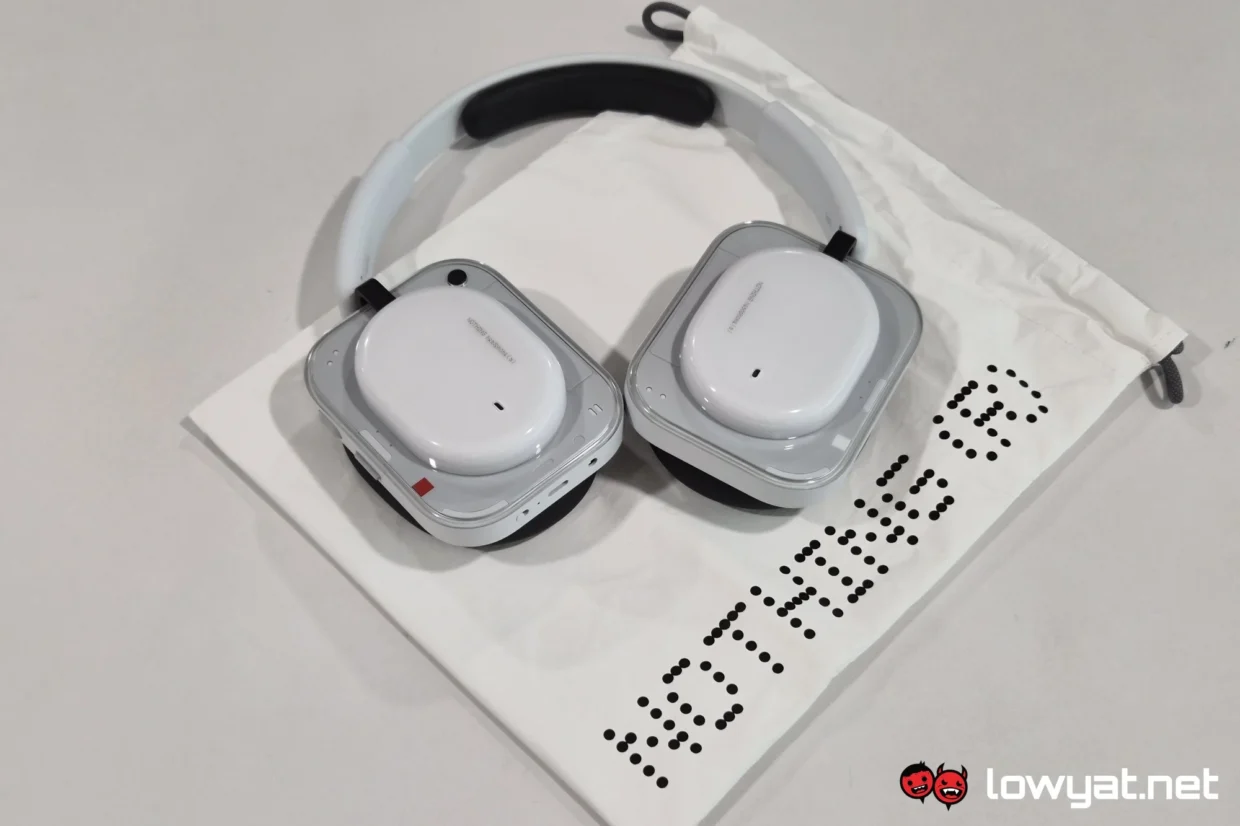
One last thing on this list is the carrying case, or the lack thereof. If you thought the felt case that came with the Nothing Headphone (1) could be better, you’d be dismayed to know that you get a drawstring bag with the (a) instead. And it’s made using the kind of material that you wouldn’t want to leave in warm rooms, never mind with direct sun exposure.
Should I Buy It?
With the Nothing Headphone (1) as the point of reference, it can be argued that the Headphone (a) is just as good. There are some things that the latter gives up in the name of reducing its price, but none of that have notably affected its audio quality. Build quality, on the other hand, your mileage may vary, depending on what you think about metal and plastic usage in their construction.
The reduction of the Bass Enhancement levels in the app is a bit questionable, but I suppose there has to be more visual reminders that you’re dealing with the (a) model. But it’s a shame that the brand did not do away with the more inconsequential features instead, such as spatial audio.
Overall, you’re really not missing much if you go for the Nothing Headphone (a) over the Headphone (1). Of course, the (1) still justifies its asking price with its build materials, and more options to mess with in the app. But if you can do away with those, the Headphone (a) is a more monetarily sensible alternative.
The post Nothing Headphone (a) Lightning Review: Budget Construction, Solid Performance appeared first on Lowyat.NET.
